





**Is Follow-Up Appointments Necessary for Root Canal Treatments Across the Border?**
Recent years have seen a surge in individuals opting to travel to mainland China for dental issues, with root canal treatment being a prevalent choice. However, a common concern arises: Is a follow-up appointment necessary after getting root canal treatment abroad? Can the procedure be completed in just one visit, or will multiple sessions be required? Understanding the nature and process of root canal treatment is crucial to answering these questions.
**What is Root Canal Treatment?**
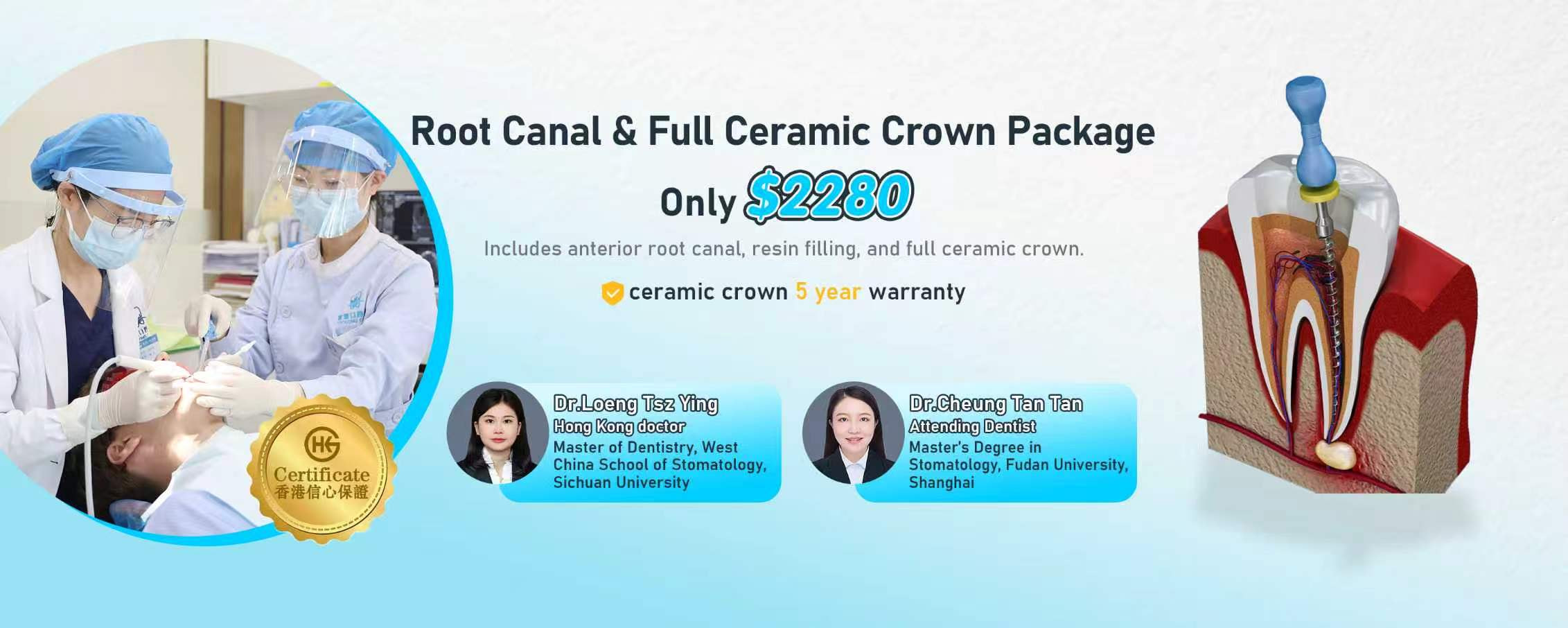
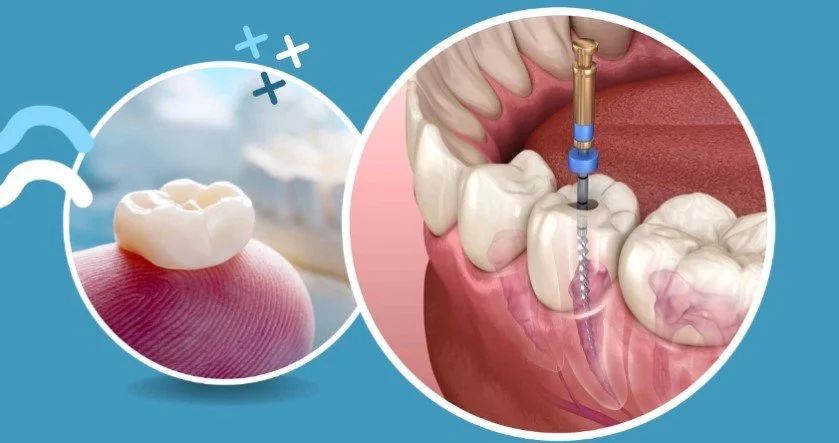
Simply put, root canal treatment involves removing infected pulp—comprising nerves and blood vessels from inside the tooth—due to decay or injury. The process involves cleaning and disinfecting the root canals, then sealing them to preserve the tooth, avoiding extraction. Given the intricate nature of the procedure, precise execution by the dentist is necessary to prevent residual bacteria.
**The Appeal of Cross-Border Root Canal Treatment**
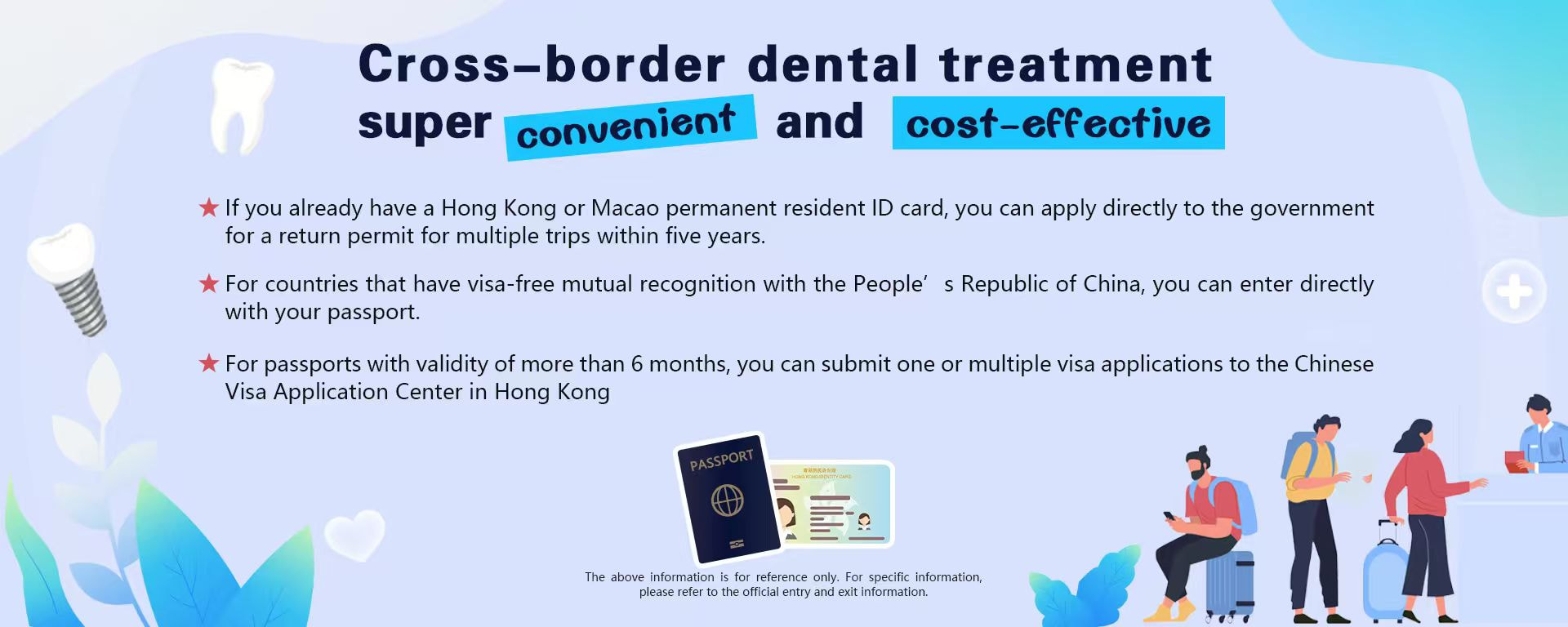
Many Hong Kong residents choose to travel to mainland China for dental treatments, not solely due to cost-effectiveness or a broader range of options. Some dentists in these areas possess impressive equipment and techniques and offer flexibility in scheduling. Especially during weekends or holidays, finding a dentist in cities like Shenzhen or Dongguan is relatively easy, thanks in part to convenient transportation, making cross-border dental care a viable option.
**The Importance of Follow-Up Appointments**
Root canal treatment often cannot be completed in a single session, especially if the tooth is severely infected or the tooth’s root anatomy is complex. Initially, the dentist may remove the decayed pulp and perform preliminary disinfection, sometimes temporarily sealing the tooth while monitoring for inflammation. Subsequent sessions may involve thorough disinfection, filling, and permanent sealing of the root canals.
Failing to attend follow-up appointments could result in reinfection, compromising the entire treatment. Inadequate sealing or incomplete disinfection allows bacteria to reinvade, negating previous efforts and potentially leading to tooth extraction.
**Considerations for Cross-Border Follow-Up Appointments**
Planning for cross-border root canal treat
ment involves carefully scheduling time for follow-up visits. While some dentists may offer expedited or single-session solutions, they might not be suitable for all conditions. If the tooths condition allows, completing the treatment in one go may be feasible. However, severe inflammation might necessitate multiple sessions for a safer outcome.
Follow-up visits enable the dentist to assess post-treatment conditions, checking for any discomfort, gum irritation, or issues with the sealing material. For cross-border patients, it’s advisable to discuss treatment plans thoroughly with the dentist and coordinate subsequent visits accordingly.
**How to Reduce Follow-Up Appointment Hassles**
For those concerned about follow-up appointment difficulties, there are strategies to minimize the risks:
1. **Thorough Preliminary Examination**
Prior to heading to mainland China, undergo a comprehensive examination in Hong Kong, providing X-rays or medical records for the dentist’s reference, facilitating diagnosis and potentially reducing the number of treatment sessions.
2. **Schedule Consecutive Appointments**
Some individuals may arrange multiple trips within the same week, ensuring treatment continuity and reducing delays.
3. **Select Dentists Experienced with Cross-Border Patients**
Dentists familiar with cross-border patient challenges can design appropriate treatment plans, potentially reducing the number of follow-ups while ensuring efficacy.
**Conclusion**
Whether follow-up appointments are necessary for root canal treatments across the border depends on the condition of your tooth, the extent of the infection, and the dentists approach. Generally, most cases require at least one follow-up to ensure thorough and safe completion of treatment. Although coordinating time for cross-border appointments involves effort, timely follow-ups are crucial for dental health and long-term results. Avoid compromising follow-ups for convenience, as proper care significantly prolongs a tooth’s usability, with root canal treatment being a pivotal step in its preservation.
Therefore, when planning for a cross-border root canal treatment, ensure to discuss treatment schedules with your dentist and manage your time effectively, facilitating a safe and comprehensive treatment process.
















