







**Do Dental Implants Cause Excessive Salivation Due to Nerve Reactions?**
In recent years, many people have been traveling north for dental treatment, especially for implants. Beyond the maturity of surgical techniques, affordable prices, and abundant choices, people often cite the speedy service and quality care they receive. However, after returning from treatment, some patients find themselves speaking more with increased saliva production, feeling slightly unnatural, and wondering: is this a "side effect" of getting implants? Could nerves be involved?
### The Role of Nerves in Dental Implant Surgery
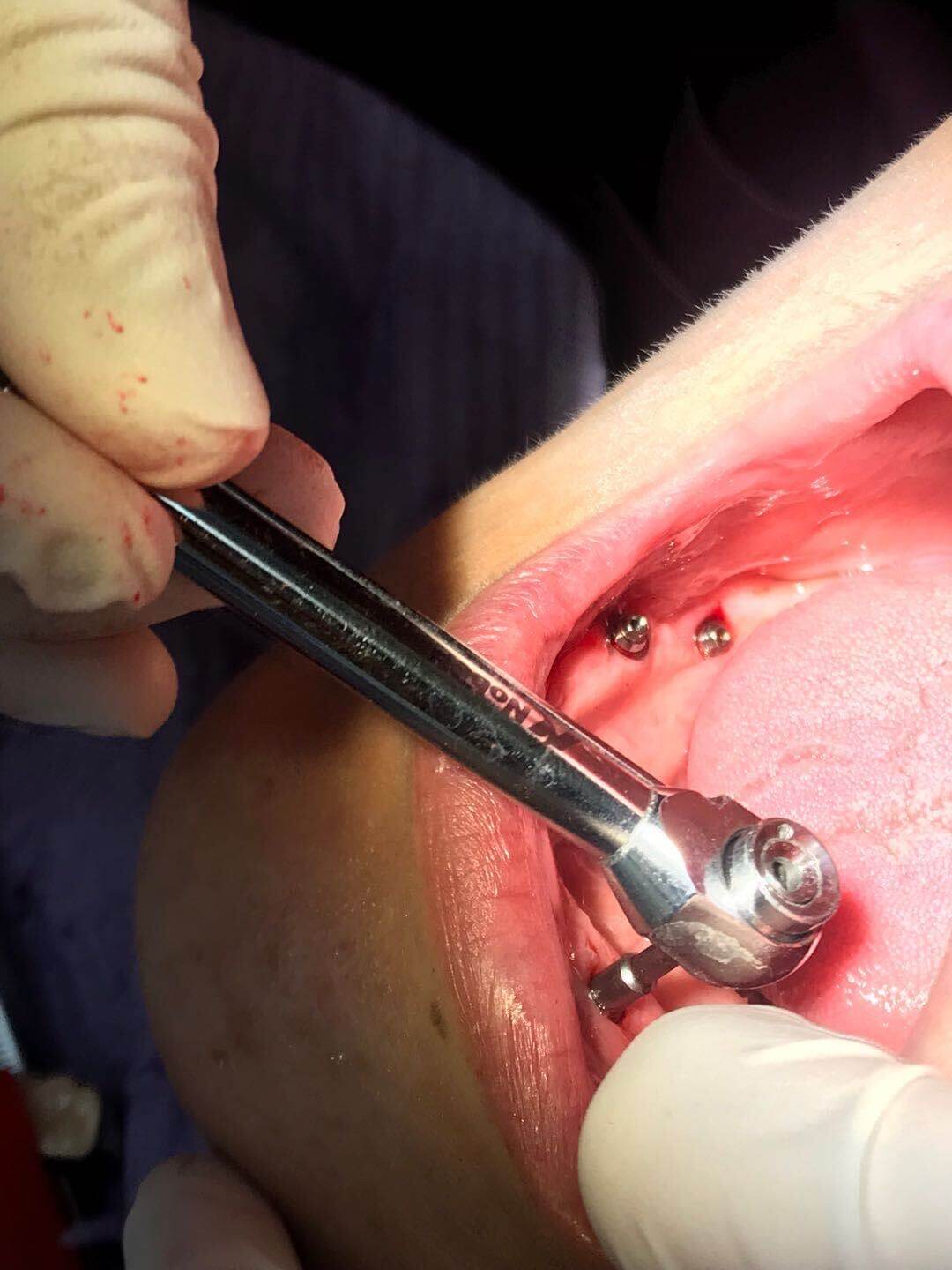
Dental implant procedures are minimally invasive surgeries that involve inserting artificial roots into the jawbone to allow them to fuse with it. Located in the lower jaw, the inferior alveolar nerve is responsible for sensation and some motor functions. Dentists typically avoid the nerve area during drilling to minimize damage. However, despite such precautions, some individuals may experience temporary changes in oral sensation due to minor nerve stimulation or swelling during surgery.
### Why Might Saliva Production Increase After Implant Surgery?
There are several reasons why saliva production may increase following implant surgery:
1. **Adapting to a New Oral Environment**
After surgery, the presence of new artificial roots or crowns might trigger unusual sensations in the tongue and the inner mouth, prompting the brain to react by increasing saliva secretion. This is a protective and adaptive response to new foreign objects.
2. **Minor Nerve Stimulation**
If neighboring nerves are compressed or affected by inflammation during the procedure, the brain might mistakenly believe the mouth requires more moisture, thus stimulating the salivary glands. This condition typically fades as swelling subsides and nerves recover.
3. **Psychological Factors**
Many individuals become hyper-aware of every change post-surgery, paying close attention to oral sensations. Heightened psychological focus can lead to an impres
sion of increased salivation.
### How Long Until Normalcy Returns?
Most people experience a gradual normalization of saliva production within days to weeks post-operation. As the body adapts to the implants and oral tissue swelling decreases, sensations generally improve. If excessive salivation persists beyond a month or is accompanied by numbness, pain, or swallowing difficulties, a visit to the dentist is advised.
### Tips to Ease Excess Salivation
- **Maintain Oral Hygiene**: Brush and floss regularly to prevent food debris from causing irritation.
- **Dietary Control**: Avoid overly acidic or spicy foods to reduce salivary gland reactions.
- **Practice Slow Speaking**: Slow down your speech to minimize airflow and reduce the sensation of excessive saliva.
- **Regular Checkups**: Follow up with your dentist to monitor jaw and nerve health.
### Important Considerations for Dental Implants Abroad
While traveling north for dental implants is convenient, its important to choose clinics with proper accreditation and good reputations. Prior to surgery, ensure thorough communication with your dentist about your dental condition, medical history, and nerve sensitivity. Post-surgery instructions such as avoiding hard foods, controlling chewing direction, and monitoring for abnormal sensations should be diligently followed.
### Conclusion
Excessive salivation post-implant isnt necessarily a cause for concern, as it may stem from adapting to a new oral environment, minor nerve stimulation, or psychological responses. Most cases are transitional and improve with time. However, if discomfort persists, seek professional dental evaluation to check for serious nerve damage. Whether at home or abroad, meticulous pre- and post-operative care and regular follow-ups are essential for maintaining oral health.
If you find your friends discussing "excess saliva after implants," reassure them that this is typically a natural adaptive response. With adherence to medical guidance, they can expect improvements over time without too much worry.
















