




**Is a Pulsating Sensation Near the Implant Normal During Post-Surgery Recovery?**
In recent years, many people have chosen to travel north for dental treatments, especially implants, due to the variety of services and advanced technologies available. After completing a dental implant procedure and returning to Hong Kong, some individuals may feel a pulsating sensation near the new implant, leading to concerns: Is the implant failing? Is it an infection? Often, this sensation is simply part of the normal recovery process after surgery.
**Why Do You Feel a Pulsating Sensation After Getting a Dental Implant?**
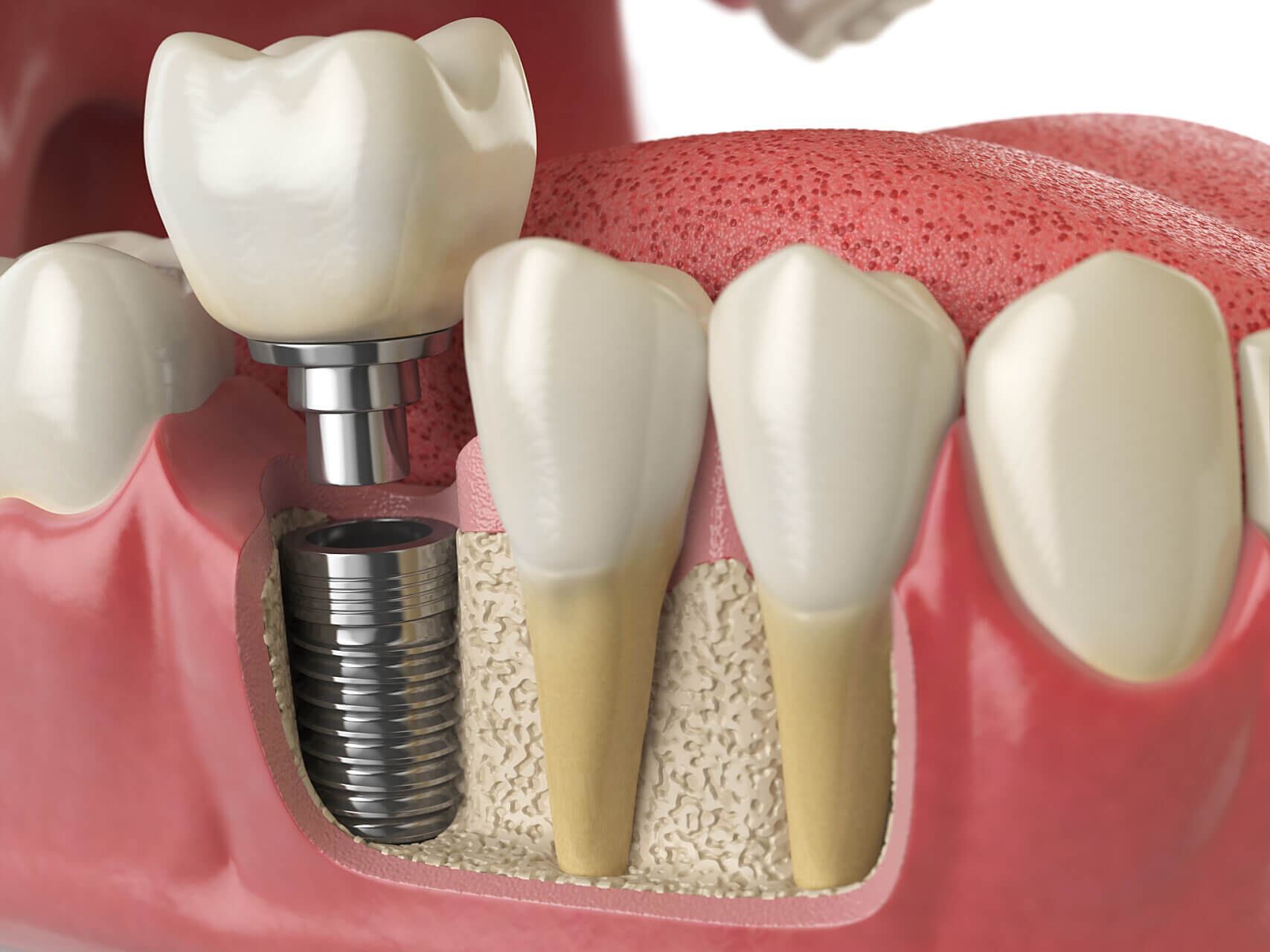
First, its important to understand that a dental implant involves inserting an artificial root (implant) into the jawbone, which affects the surrounding bone, gums, and tissues as they rebuild and recover. Following surgery, the jaw tissues undergo self-repair, increasing blood flow and requiring the nervous system to adapt to the new environment. During these initial recovery stages, you might feel slight throbbing, itching, or tingling sensations, commonly described as a "pulsating" feeling. This typically arises from:
- **Increased Blood Circulation:** The surgery site demands extra nutrients to heal, resulting in elevated blood flow, which can cause rhythmic pulsations.
- **Nerve Recovery:** Nerves may have been stimulated during surgery, and abnormal signal transmissions during recovery can lead to unfamiliar sensations.
- **Tissue Swelling:** Initial swelling might press on surrounding tissues, creating a "pulsating" feel.
**When is it a Normal Part of the Recovery Process?**
Generally, during the first few days to a couple of weeks post-implant, mild pulsations are normal. As swelling subsides and nerves and blood vessels stabilize, these sensations should gradually fade. If there is no persistent severe pain, no obvious discharge of pus, or no fever, there’s usually no cause for concern.
However, if the "pulsating" feeling is accompanied by severe pain, expanded gum swelling, or oral odor and secretions, it could indicate an infection or other complications—requiring an immediate check-up with your dentist.
**How to Care for Your Dental Implant Post-Surgery in Hong Kong?**
Proper post-surger
y care is vital for optimal recovery:
1. **Maintain Oral Hygiene:** While you should avoid brushing the implant area with a hard-bristled toothbrush, gently rinse your mouth with warm water or dentist-recommended antibacterial mouthwash to reduce bacterial growth.
2. **Watch Your Diet:** Initially, avoid hard, spicy, or irritating foods. Opt for soft, easily chewable foods until the wound stabilizes, then gradually resume a normal diet.
3. **Avoid Touching the Wound with Hands or Tongue:** Refrain from touching or playing with the implant site, as these actions might impede healing.
4. **Get Sufficient Rest:** Adequate rest aids in recovery. Keeping your head slightly elevated while sleeping can also help reduce swelling.
**How to Comfortably Enter the Recovery Period?**
The post-surgery sensations are often temporary, similar to the itchiness you feel when a skin wound heals. The "pulsating" sensation is like the "itch" or "throb" of oral tissues recovering.
Stay in regular contact with the dentist who performed your surgery—even from Hong Kong. Share updates through photos or videos so they can assess your recovery progress.
**Mental Adjustment is Crucial**
Many people become overly anxious due to unfamiliar sensations, especially after their first implant. Remind yourself that your body needs time to integrate the implant with the bone. The implant-to-bone fusion process usually takes several months, so refrain from making hasty judgments based on initial discomfort.
**Conclusion**
Experiencing a pulsating feeling near an implant post-surgery doesn’t automatically signify a problem. It is often a natural physiological response during recovery. By adhering to post-operative care guidelines and monitoring oral changes, you can confidently proceed toward full recovery. While dental implant procedures are significant, patience and proper care will help you regain your healthy smile.
Traveling north for dental implants is more than just a procedure—its a journey requiring patience and confidence. Understanding that a "pulsating" sensation isnt necessarily a bad sign allows you to ease through the recovery period, calmly awaiting the moment when your new teeth are fully integrated into your daily life.
















