




**Can You Eat Sushi and Sashimi After Getting Dental Implants in the Mainland?**
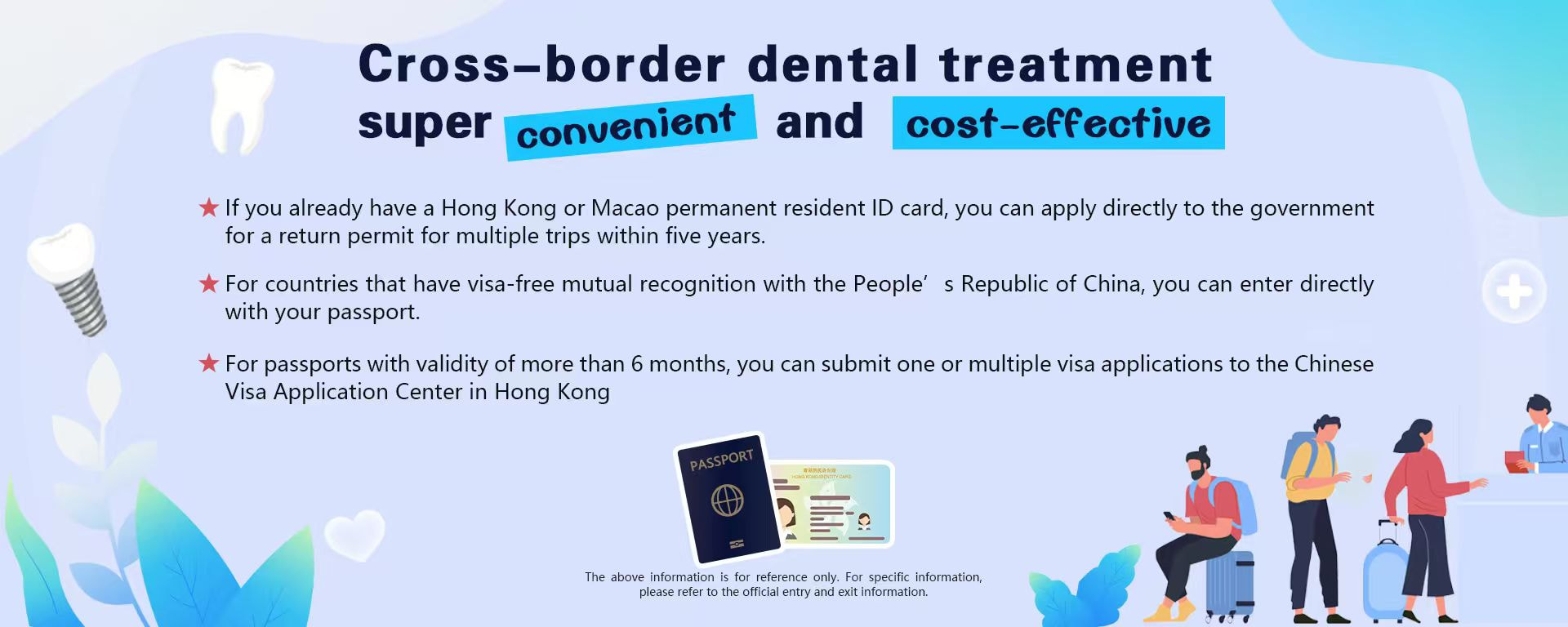
In recent years, many people from Hong Kong have opted to travel to Mainland China for dental implants to improve their oral health and enhance the aesthetic appearance of their teeth. The convenience, a variety of choices, and the availability of different techniques have made this a popular option. However, post-surgery care and dietary habits are crucial, especially for sushi and sashimi lovers who worry, "Can I still enjoy sashimi after getting dental implants on the Mainland?"
**Post-Surgery Recovery Guidelines for Dental Implants**
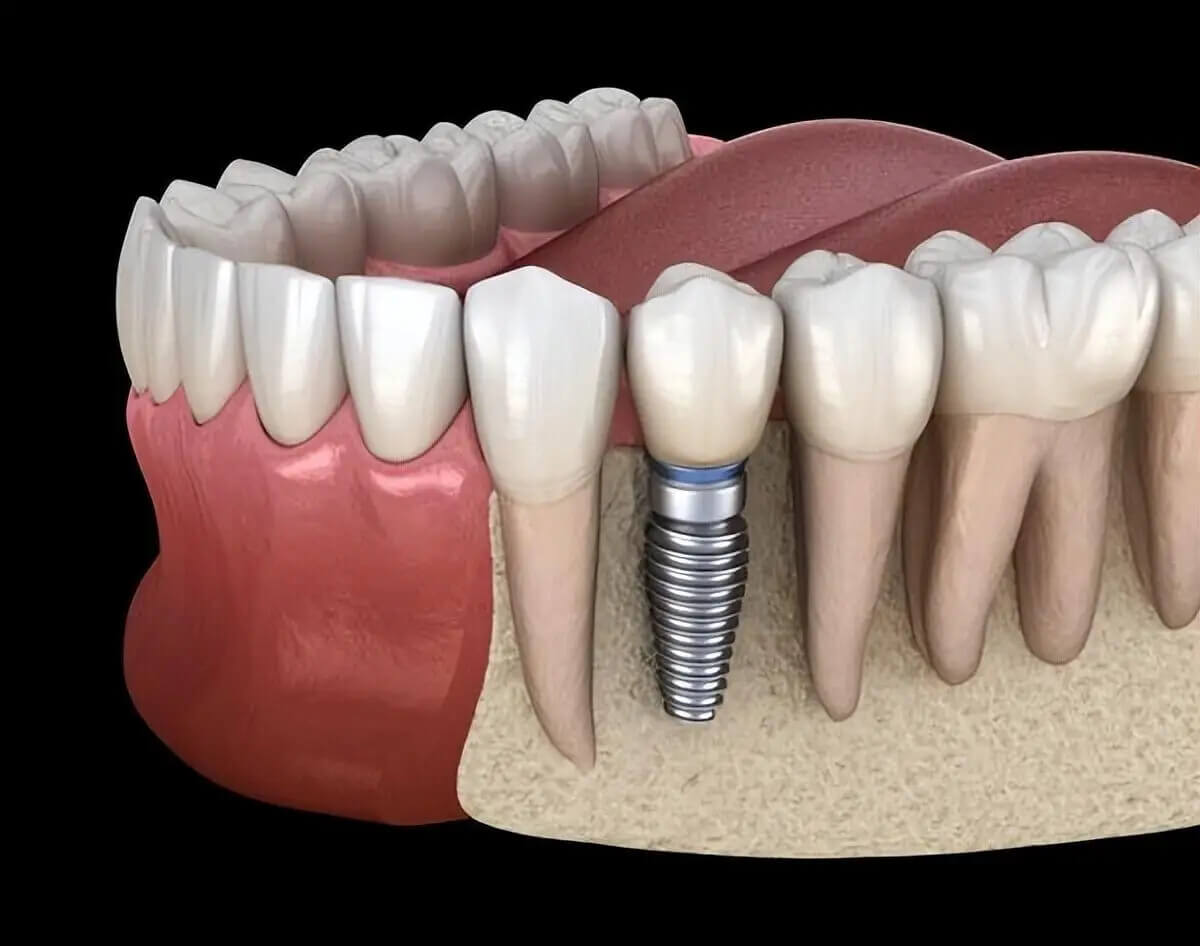
Typically, a dental implant procedure involves inserting an artificial root into the jawbone, which then needs time to integrate with the bone. This recovery process can take several weeks to months, depending on individual health, bone quality, and the complexity of the surgery. During this recovery period, gums may remain slightly swollen or sensitive. Consuming hard foods or those requiring significant chewing effort can affect the integration of the implant and bone.
**Potential Risks of Eating Sashimi**
Sashimi served with sushi is raw and not inherently tough, but there are several factors to consider:
1. **Chewing Pressure**: While sashimi isnt hard, the sticky rice and seaweed often accompanying sushi can exert force on newly implanted teeth during chewing, potentially stressing the gum area.
2. **Bacterial Infection**: The surgical site may have an exposure risk during the initial days. Although the wounds heal over time, consuming raw foods always carries a bacterial risk, particularly if hygiene standards are not met, leading to gum inflammation.
3. **Temperatur
e Sensitivity**: Sashimi is typically served cold, which may irritate sensitive gums or teeth and delay the healing process.
**Dietary Recommendations During Recovery**
Post-implant, doctors usually advise sticking to soft and easy-to-chew foods for a few weeks, like steamed eggs, congee, and noodle soups. Once the implant and bone have fully integrated, you can gradually return to your regular diet. It’s wise to temporarily avoid sashimi until your dentist confirms stability of the dental implant.
**When Can You Safely Enjoy Sushi Again?**
Recovery times vary among individuals. It is generally recommended to wait until the implant and bone have fully merged without any pain, swelling, or bleeding before indulging in your favorite foods again. When youre ready to try sashimi, start with softer, thinner cuts and avoid overloading the implant area with stress while chewing.
**Maintaining Good Oral Hygiene**
Even if the sashimi is hygienically safe, oral cleanliness is paramount after dental implants. Rinse your mouth with warm water after meals to keep your teeth and gums clean. Follow the dentists advice on brushing and flossing to help prevent bacterial accumulation and reduce infection risks.
**Conclusion**
Getting dental implants in the Mainland doesn’t mean you can never eat sushi or sashimi again. It depends on your recovery progress and your dentist’s advice. In the initial post-surgery phase, it’s best to hold off and focus on stabilizing your teeth and gums. Once you receive the green light from your dentist to resume normal eating habits, you can enjoy your meals with peace of mind. Remember, maintaining good oral health is key to enjoying your favorite foods for years to come.
















