




**Do You Need to Adjust Your Bite After Getting Dental Implants in Mainland China?**
In recent years, many people from Hong Kong have chosen to undergo dental surgeries in mainland China, especially for dental implants. The main reason is the perceived improvement in dental technology and facilities there. However, getting a dental implant isnt just about placing a prosthetic tooth—there are subsequent steps that require attention. A common concern among many is whether they need to adjust their bite post-surgery.
**What Is Bite Adjustment?**
Simply put, bite adjustment is the process of ensuring that your upper and lower teeth align properly when you close your mouth. If your implants height or angle doesnt match your natural teeth, it could lead to uneven pressure when you bite, resulting in tooth sensitivity, gum discomfort, or accelerated wear and tear on your teeth. A dentist may adjust your bite by finely grinding the surface of the prosthetic tooth or altering the crowns position to ensure comfortable and natural contact between your teeth.
**Why Might You Need a Bite Adjustment After Getting Implants in Mainland China?**
Firstly, individual differences in dental arches and bite habits mean that even a precise surgery might not perfectly meet post-surgery healing dynamics, leading to subtle changes in prosthetic positioning as gums and bones heal. Secondly, returning to Hong Kong after surgery might mean slight changes in diet and chewing habits that affect how natural the dental contact feels. Additionally, although dental equipment might be similar, differences in operational habits and diagnostic criteria could make adjustments necessary based on your personal comfort level.
**Signs That May Indicate You Need a Bite Adjustment:**
If you notice any of the following post-implant symptoms, you should consult a dentist:
- Feeling like one side of your mouth exerts more force when biting into hard foods
- Tooth sensitivity or gum swelling near the implant
- Experiencing a "stuck" feeling while chewing, similar to misaligned teeth
- Prolonged jaw fatigue or mild discomfort
These signs suggest a possible need for bite
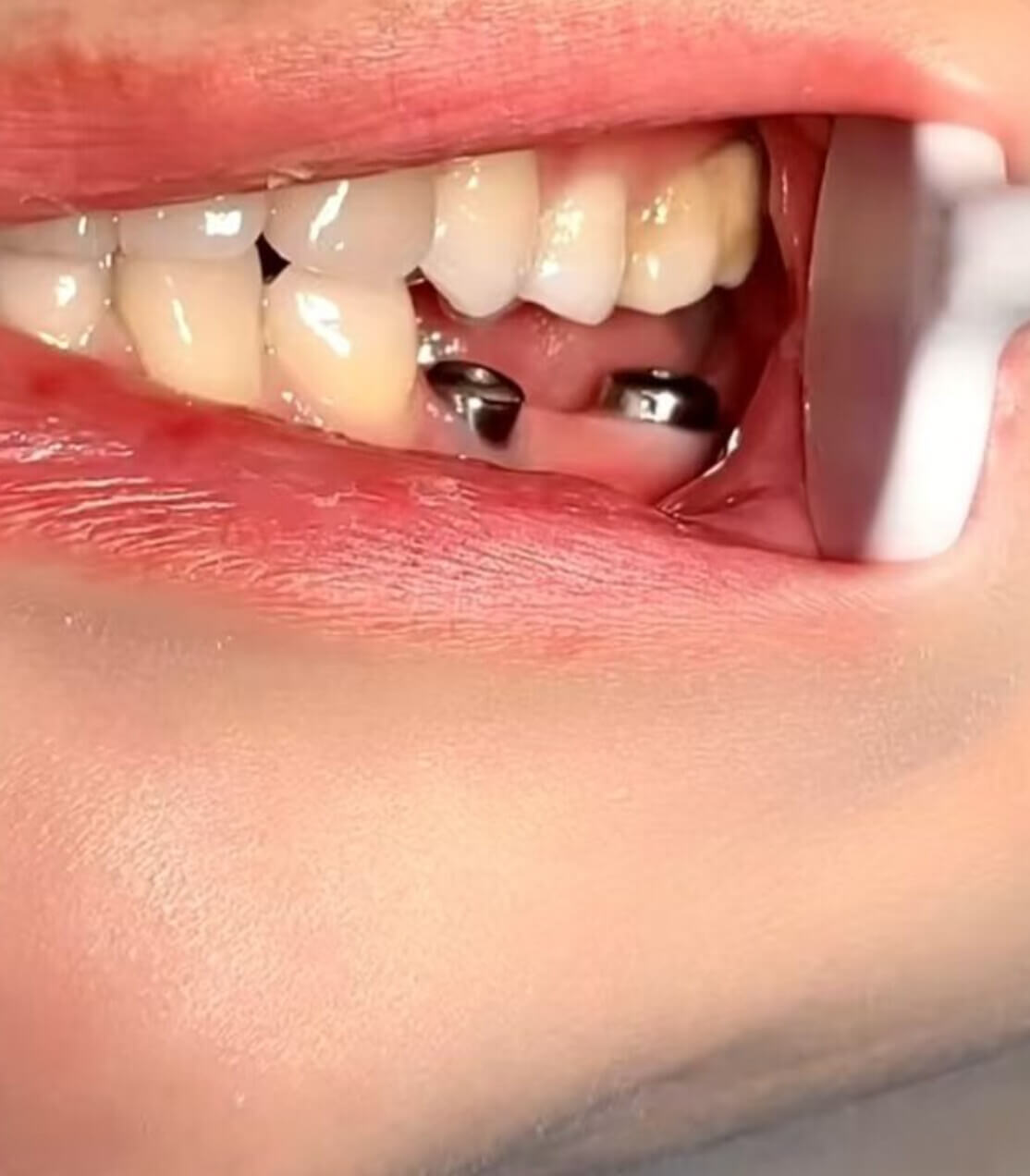
adjustment. Ignoring them could shorten the lifespan of the prosthetic and negatively impact your natural teeth.
**What Happens During a Bite Adjustment?**
Dentists typically start with occlusal testing using bite paper to determine pressure points when your teeth meet. They then use specialized tools to grind or adjust the prosthetic crown for better alignment. The process is typically painless but requires some patience, as achieving optimal alignment might necessitate several minor adjustments. In some cases, dentists might recommend using a night guard to protect against grinding and aid gradual adjustment to a new bite.
**Integration of Mainland and Local Follow-ups**
Many who get implants in mainland China have to return to Hong Kong for work and life, making regular follow-ups at their original dental clinic challenging. Thus, it’s wise to find a local dentist who can assist with follow-up care. Providing comprehensive implant data and X-rays may allow local dentists, even if not the original surgeon, to help with bite inspections and adjustments. Maintaining clear communication with mainland doctors beforehand ensures that you have all the necessary information for future check-ups.
**How to Prevent Bite Issues:**
Firstly, discuss your biting habits and dietary preferences in detail with your dentist before surgery to help design a prosthetic that meets your needs. Secondly, be mindful of your food choices in the weeks following surgery; avoid overly hard foods to allow time for your implant and gums to adapt. Thirdly, if you notice any discomfort, address it promptly, as early adjustments are easier to make and ensure a better bite.
In conclusion, whether you need a bite adjustment after getting dental implants in mainland China depends on individual circumstances. Some people achieve a comfortable bite immediately, while others require multiple minor adjustments for perfection. Never underestimate the importance of bite alignment, as a well-adjusted bite protects dental health, extends implant lifespan, and makes eating enjoyable. Remember, your teeth are lifelong partners, and investing in them means maintaining them well.
















