








**Is It Normal to Feel Slight Numbness After Dental Implant Surgery in Mainland China?**
In recent years, many Hong Kong residents have opted to travel to Mainland China for dental treatments, including dental implants. This is often due to the convenience of travel and the wide range of options available, along with perceptions of professional service. However, some individuals have shared experiences of feeling slight numbness around their teeth or jaw after the procedure, raising concerns about whether this sensation is a typical reaction.
**Why Does Numbness Occur After Dental Implant Surgery?**
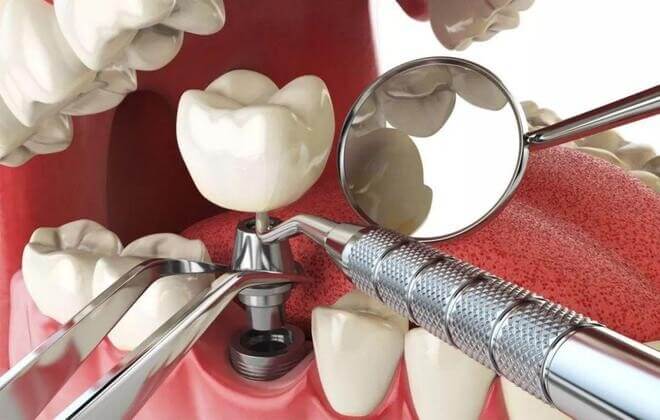
Dental implant surgery involves placing an artificial tooth root into the jawbone, which interacts with the nerves, gums, and bone. Local anesthesia is used during the procedure, and as it wears off, some people might still feel mild numbness or decreased sensitivity in their mouth or jaw. This is often due to the nerves being temporarily compressed, stretched, or stimulated during surgery, but it typically doesnt indicate permanent damage.
Additionally, post-surgery, the gums and jawbone need time to heal. Swelling and inflammation can also affect sensation, causing mild numbness. Generally speaking, if the numbness is mild and temporary, its usually within the normal range and not a cause for concern.
**How Long Does It Take to Recover?**
For many individuals, the numbness gradually subsides within a few days to a week post-surgery. Some may take two to three weeks, or even a month or two, to fully recover. The recovery time largely depends on your bodys healing rate, the extent of the surgery, and the implant location. For example, implants placed near the back of the lower jaw may take longer to recover due to the proximity to the inferior alveolar nerve.
**When to Seek Medical Attention**
While mild numbness is common, if there is no improvement after a few weeks or if you experience worsening symptoms such as tingling or electric shock-like sensations, you should consult your dentist promptly. Persistent or worsening numbness could indicate nerve dam
age or infection, and early examination and treatment can help reduce the risk of long-term complications.
**Post-Operative Care Tips**
To ensure a speedy recovery, post-operative care is crucial:
- Follow your dentists instructions for medication, such as pain relievers and antibiotics, to prevent infection;
- Avoid biting hard foods, especially near the implant site;
- Maintain oral hygiene, but be gentle around the surgical site to avoid irritating the wound;
- Get adequate rest to give your body the energy it needs for recovery;
- Avoid smoking and alcohol, as they can slow down the healing process.
**Tips for Dental Implant Procedures in Mainland China**
Before heading to Mainland China for dental implants, its wise to undergo a comprehensive dental check-up in Hong Kong to understand your dental condition and ensure youre a suitable candidate for implants. When visiting clinics in China, ask about the implant site and any potential nerve risks. Understanding potential post-surgery reactions can help you stay calm if numbness occurs, recognizing when its a temporary phenomenon or a situation requiring follow-up.
**Managing Expectations and Mindset**
Do not expect implants to feel the same as natural teeth immediately after surgery. Initially, the gums and jawbone need time to integrate with the artificial tooth root, while nearby tissues adjust to the new structure. Feeling slight numbness or unfamiliar sensations during this period is normal in most cases. As long as the condition gradually improves and doesnt impact daily life, theres no need for excessive worry.
In summary, experiencing slight numbness after dental implant surgery in Mainland China is generally a normal post-operative reaction, especially when nerves are involved near the surgery site. However, if numbness persists or worsens, a professional dental check-up is essential to ensure no lasting nerve damage occurs. Dental implants require time and patience, and following dental guidance alongside proper care will help integrate your beautiful new teeth into your life seamlessly.
















