








**Is It Normal to Experience Powder-like Residue Near the Crown After Dental Implants in the North?**
In recent years, a growing number of Hong Kong residents have opted to travel north for dental treatments due to the advanced techniques and diverse options available. Dental implants are among the common procedures chosen, with many people monitoring changes in their oral cavity post-procedure. Some individuals might notice a powder-like substance near the dental crown days or weeks after returning, leading to natural concerns: Is this normal? Could there be issues with the implant?
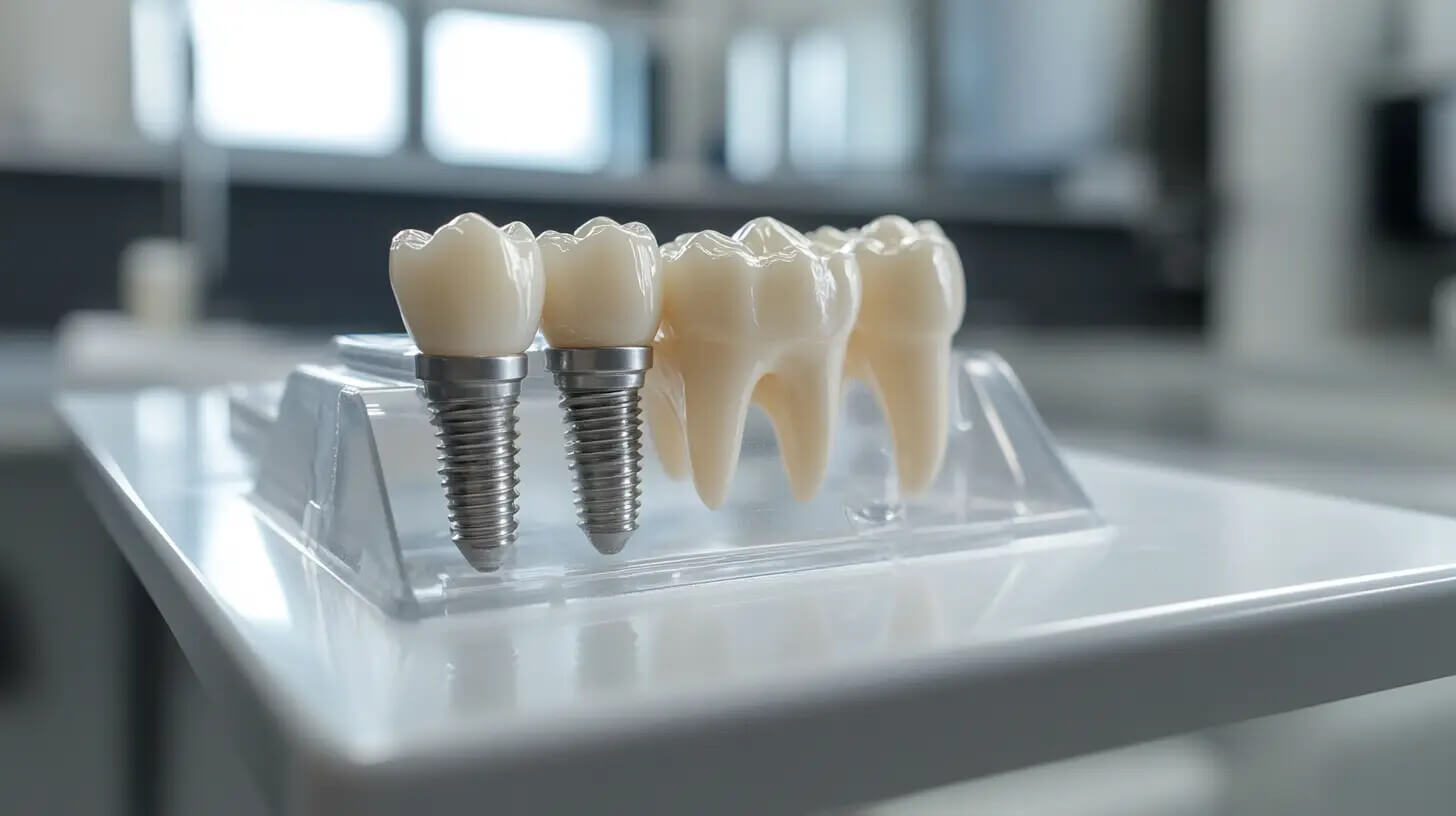
First, its essential to understand how dental implants work. The process usually involves several phases: inserting the artificial root, allowing the gum and bone to integrate, and then placing the crown. Crowns are typically made from ceramic or other durable materials, yet like natural teeth, they undergo processes such as chewing, friction, and daily cleaning. During the initial phase post-crown placement, the teeth and gums are in an adaptation period, which might cause different sensations.
Why does the "powder-like sensation" occur? There could be several reasons:
1. Initially after the surgery, there may be residual fine particles, bonding agent residue, or micro-powders on the crown surface or gum. Daily activities such as eating or brushing can dislodge these remnants, leading to a sense of fine particles.
2. The crown and opposing teeth may initially not fully adapt, resulting in minor wear at the occlusion points. Micro-wear debris from the ceramic surface can emerge. This doesn’t necessarily indicate poor crown quality, as minor wear is common in the early stages of adaptation between new and existing teeth.
3. Sometimes dental floss or brushes dislodge tiny deposits or food remnants between the teeth, which might be mistaken for crown debris. In reality, the crown might remain unharmed; the sensation is just a byproduct of cleaning processes.
Nevertheless, don’t complete
ly dismiss these observations. If the "powder-like" sensation persists for weeks, increases, or is accompanied by crown loosening, gum discomfort, bleeding, swelling, or pain, a dental evaluation is essential. Although implants are stable, gum inflammation or structural abnormalities warrant prompt attention.
For those considering heading north for implants, keep these key points in mind: Firstly, your dentist will typically advise regular follow-ups post-treatment; schedule these either up north or with a local dentist in Hong Kong. Secondly, maintain rigorous oral hygiene, especially around the implant area. Tools like interdental brushes, dental floss, and mouth rinse are very beneficial. Thirdly, monitor your bite sensation; consult your dentist if any teeth feel uneven or are improperly aligned, as bite imbalances can accelerate crown wear.
Additionally, many people overlook the importance of dietary habits. Despite their durability, implants lack the sensitivity of natural teeth. Avoid excessively hard or sticky foods initially to allow the crown and root ample time to adapt. Even natural teeth can crack when biting into hard items like unpopped popcorn kernels or hard candy, so crowns require similar care.
Furthermore, the oral sensation can sometimes be influenced by psychological factors. After getting implants, heightened concern over certain areas might cause even minor new sensations to appear alarming. If an examination reveals no issues, relax.
In conclusion, experiencing powder-like residue near the crown after northern dental implants is typically part of the adjustment phase if it’s short-lived and not accompanied by pain or loosening. However, if symptoms persist, worsen, or show abnormalities, seek dental advice promptly. The key lies in maintaining excellent oral hygiene and scheduling regular check-ups to ensure the longevity and stability of your implants. Don’t ignore any signals from your mouth–early intervention is always the safest approach.
















