




# Experiencing Sensations After Dental Implants in Mainland China: Is It Normal?
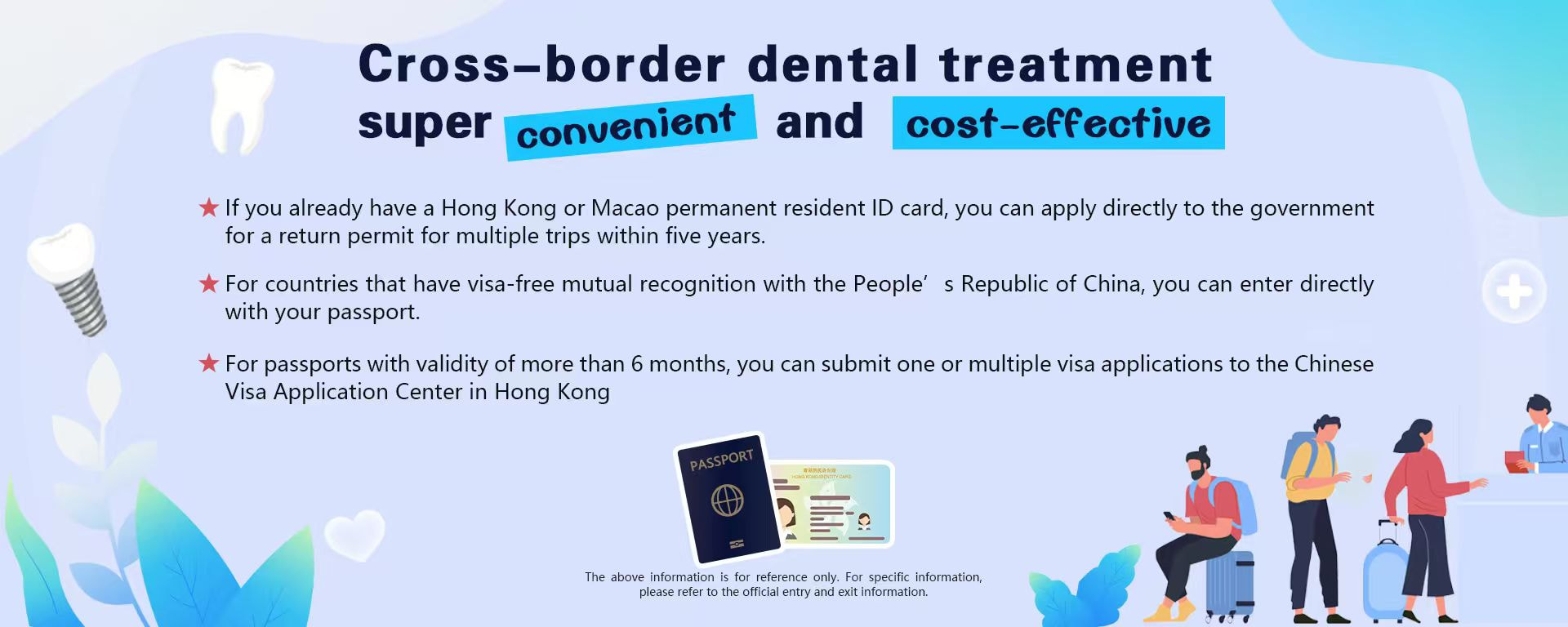
In recent years, many people from Hong Kong have chosen to travel to Mainland China for dental procedures, including implants. The primary reasons are convenient transportation, various options, and flexible service hours. However, dental implants are inherently invasive procedures, and post-surgery recovery can vary. A common concern is experiencing sensations like "pulsing" or "vibrating" around the implant site. Is this normal?
Firstly, during the implant procedure, a dentist inserts an artificial root, typically made of titanium, into the jawbone. This process affects the surrounding gum and bone tissues, which need time to heal and integrate. In the days to weeks following the surgery, nearby gums might experience slight pulsing or vibration due to changes in blood circulation and nerve responses. This is generally a normal recovery response, akin to feeling itchiness or mild swelling as a skin wound heals.
The "pulsing" sensation often results from nerve impact at the surgical site. Post-implant, as the jawbone and gums adjust to the new artificial root, local nerves may become temporarily sensitive or mildly inflamed. Activities like chewing or speaking that engage nearby muscles might amplify nerve activity, creating a sensation of "vibrating." Typically, this feeling subsides over weeks to a few months as tissues heal.
However, if the vibrating sensation intensifies or is accompanied by persistent pain, swelling, or bleeding, its wise to consult a dentist immediately to rule out infection, implant loosening, or other complications. Following initial post-operative care guidelines, such as attending regular check-ups, maintaining oral hygiene, and avoiding hard or tough foods, allows gums and bones sufficient time to stabilize.
Many become overly concerned with post-implant sensations, fearing a failed pro

cedure. To assess whether the sensation is normal, consider the following:
1. **Duration**: Mild pulsing in the first few weeks post-surgery is common, but should gradually diminish rather than worsen.
2. **Associated Symptoms**: Absence of swelling or pus usually indicates a natural recovery.
3. **Daily Impact**: The sensation shouldnt disrupt eating or speaking; if it does, consult a professional.
Psychological factors also play a role. Patients often focus intensely on the surgical site post-procedure, amplifying any minor anomalies. Remember, dental implants involve a gradual integration process, with several months required for the bone and gums to fully adapt to the artificial root. Patience and trust in your dentists expertise are essential.
Despite the convenience of undergoing dental implants in Mainland China, the need for careful post-operative care is heightened due to cross-border treatment. Don’t neglect follow-up appointments — plan them around your lifestyle and job to ensure ample recovery time without delay.
Maintaining good oral hygiene post-surgery is crucial. Use a soft-bristle toothbrush to gently clean your teeth twice daily. Mouthwash can help reduce bacterial growth, but avoid overly harsh ingredients. Diet-wise, opt for soft foods in the initial weeks to minimize strain on the surgical area.
In conclusion, feeling "pulsing" around the implant site post-surgery isnt necessarily a bad sign; its often a natural recovery signal. However, vigilance and regular dental visits are the best ways to prevent issues. If unusual symptoms arise, seek dental advice promptly, irrespective of your next scheduled visit. This approach ensures that the implant seamlessly integrates into your mouth, providing long-term stability and confidence in chewing and smiling.
Would you like me to add a section on "Post-Dental Implant Care in Mainland China" to further enhance SEO effectiveness?
















