





**Why Do You Feel the Urge to Bite More Often After Getting Dental Implants in Mainland China?**
In recent years, many Hong Kong residents have chosen to travel to Mainland China for dental treatments, with dental implants being particularly popular. This trend isnt just due to advancements in medical technology; many people are also eager to improve their chewing efficiency and facial appearance. However, quite a few individuals report a strange urge to bite more often or even find themselves clenching their jaw unconsciously after receiving implants. What causes this phenomenon? In this article, well explore the reasons and solutions in a relatable manner, so you can fully enjoy the convenience your new teeth bring.
**1. The Adjustment Period of New Teeth Causes Frequent Biting Sensations**
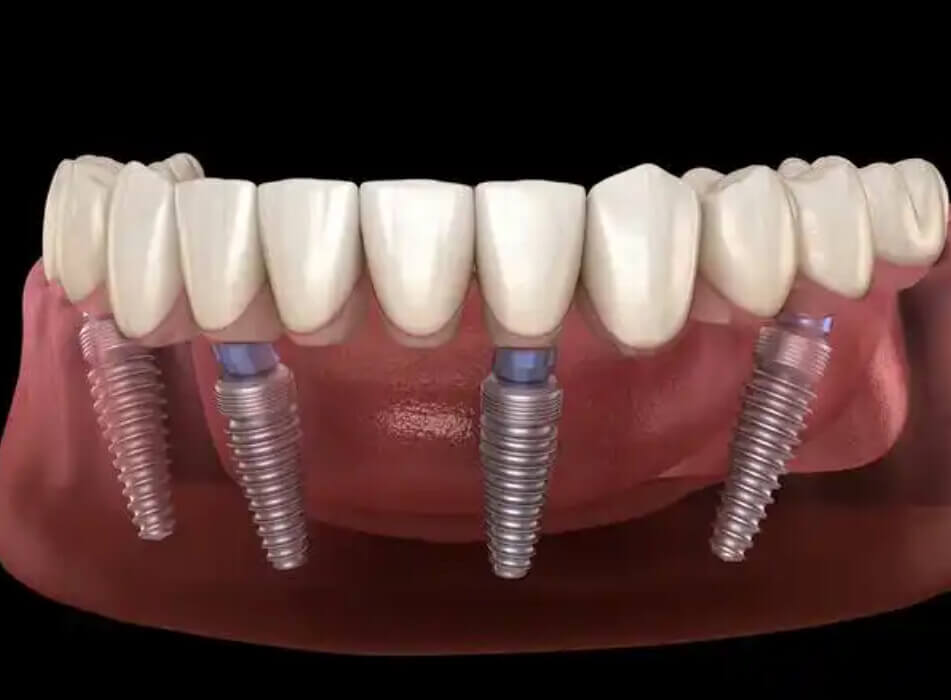
After getting dental implants, your mouth is introduced to a "new member." While these artificial roots and crowns are designed to look and feel natural, your oral nerves are highly sensitive to any changes in your bite. Initially, your brain and mouth might not be in full sync, compelling you to bite more frequently to assess the positioning and pressure of the new teeth. This is a temporary situation and generally subsides after a few weeks or months as your body adapts.
**2. Occlusal Height Differing from Original Teeth**
Even with precise measurements, the height, shape, or occlusal surface of new implants might vary slightly from your original teeth. Such minor changes can create a sensation of asymmetry, prompting you to bite more frequently to test the balance between the teeth. If you notice that your implants feel "too high" or are consistently making contact with the opposing teeth, a visit to the dentist is necessary to adjust them and avoid any potential occlusal imbalance.
**3. Psychological Desire to "Test" New Teeth**
Many individuals find themselves chewing tougher foods post-implant, as if they’re testing the "capabilities" of their new teeth. Those who previously found eating challenging due to missing teeth often feel a sense of joy and naturally want to use their new ones more. While testing your new teeth in the short term isn’t harmful, excessive force during chewing can negatively impact both the teeth and the jaw, so
controlling the force is essential.
**4. Re-coordination of Muscles Around Implant Site**
Dental implants affect not only the teeth but also the surrounding gums, chewing muscles, and joints. When using your new implants, the neighboring muscles need to adapt to a new working pattern. During this adjustment period, some individuals may feel the constant urge to chew, while others might experience slight soreness. Generally, normal chewing practice over one or two months will lead to stabilization.
**5. Increased Tooth Sensitivity During the Implant Process**
Although new implants don’t cause nerve pain, the sensitivity of surrounding tissues may temporarily be heightened, sending your brain signals that something is different. These signals can make you unconsciously check your bite. As sensitivity decreases, so will the impulse.
**How to Adapt and Maintain Your New Implants**
- **Gradually Adapt Your Bite**: During the initial weeks after receiving implants, start with softer foods to allow your mouth and new teeth time to integrate.
- **Regular Check-Ups**: Even if you’re comfortable, attending scheduled check-ups is crucial for ensuring healthy bite alignment and periodontal conditions.
- **Avoid Hard Foods**: Particularly at the beginning, avoid biting on bones or hard-shelled food to minimize stress on the implants.
- **Ensure Good Oral Hygiene**: Treat your implants like real teeth by brushing and flossing daily to keep gums healthy and prevent inflammation.
- **Monitor Your Habits**: If you find yourself clenching or grinding your teeth, consult your dentist about the potential need for a night guard.
**Conclusion**
Feeling the urge to bite more frequently after getting dental implants in Mainland China is a common experience largely attributed to the adaptation period. With good oral care and regular check-ups, most people can swiftly return to their routine lifestyle. Always pay attention to any persistent discomfort and seek professional dental advice early to fully enjoy the benefits and confidence that your new teeth bring.
If youd like, I can craft an additional version optimized specifically for the "Mainland China Dental Implants" keyword to enhance its search engine visibility. Would you like me to include that?
















