







**Is Your Dental Implant Causing Discomfort in the Upper Jaw? Exploring Possible Issues**
In recent years, many Hong Kong residents have opted to travel north for dental treatments, with dental implants being a popular choice. The appeal lies not only in the advanced techniques available but also in the convenience and variety offered. However, some individuals report feeling a persistent sensation of their teeth "pressing against" the upper jaw or gums after receiving dental implants, leading to concerns about whether the implant position might be problematic.
The procedure for dental implants involves the insertion of an artificial root (typically titanium) into the jawbone, followed by a period to allow for osseointegration before placing the crown. Under normal circumstances, post-operative bite sensation is almost akin to that of natural teeth, with no exaggerated pressure on the gums or palate. If you sense something abnormal, its important to consider several possible causes.
1. **Bite Height Adjustment:** The height and shape of the dental crown are designed based on your original bite pattern. If the crown is slightly too high or the bite surface is not balanced, it might make you feel pressure on the upper jaw, sometimes resulting in slight discomfort. This issue can often be resolved with minor adjustments to the crowns shape and height.
2. **Post-Surgery Adaptation Period:** Irrespective of where the implant is done, your mouth needs time to adapt to the new tooth. People might feel a sensation of pressure due to the awareness of having a "new tooth," coupled with changes in chewing force and habits. This psychological and physiological adaptation typically fades over time, but if prolonged discomfort occurs, professional consultation is advisable.
3. **Slight Swelling of Periodontal Tissue:** As a surgical procedure, dental implants require recovery time for the gums. If the gum or surrounding tissue is slightly swollen, it might create a pressing sensation. T
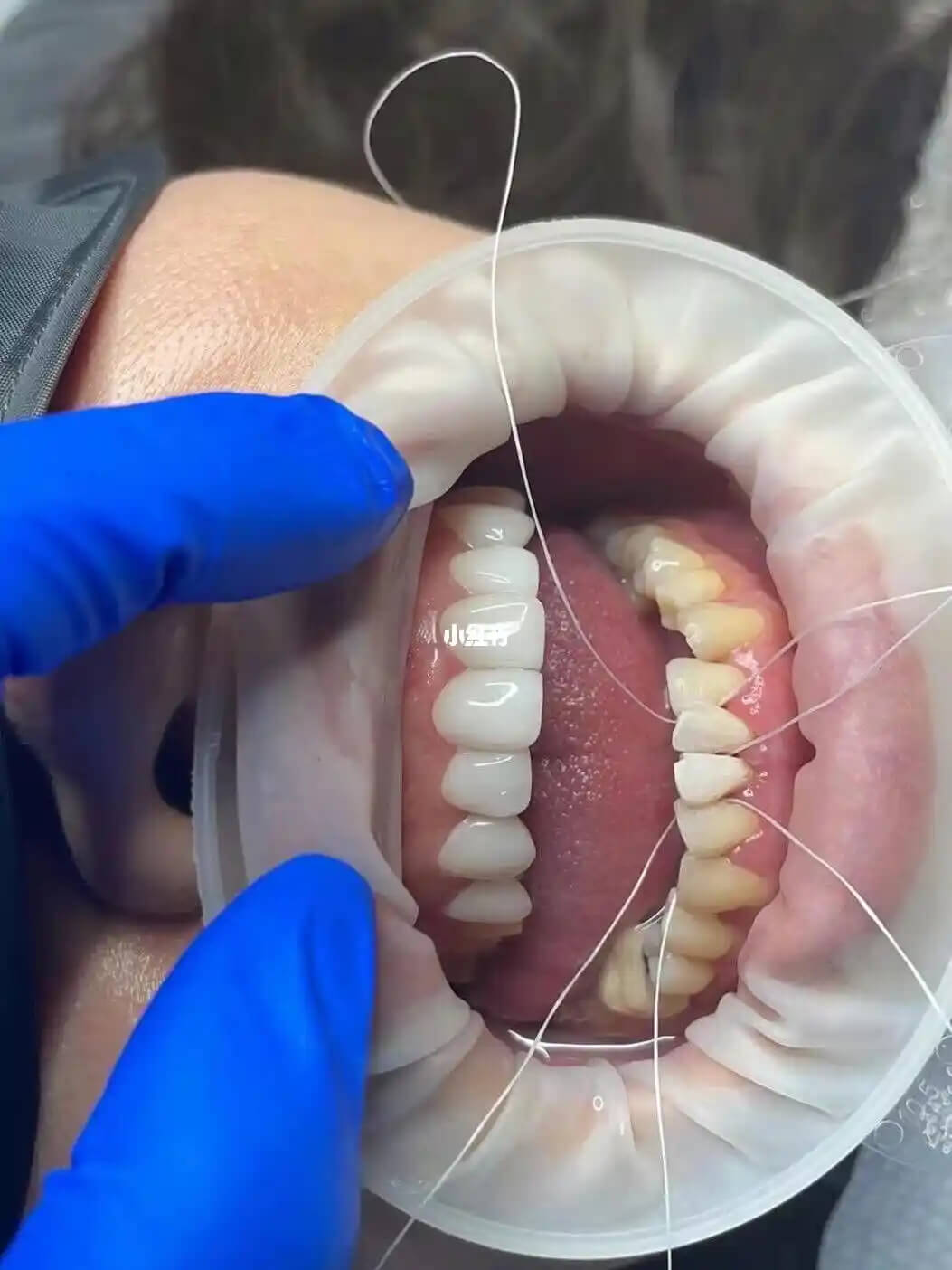
his feeling usually disappears once the swelling subsides completely.
4. **Position Misalignment:** Although modern dental implant techniques are exceptionally precise, inadequate pre-surgical planning or slight deviations during placement can lead to crown misalignment with opposing teeth or the palate. This situation may necessitate adjustments or crown replacement, and in rare cases, re-implantation.
If you experience such discomfort after receiving dental implants, heres what to do: Avoid enduring the discomfort. Failure to address bite issues promptly can lead to excessive strain on the jaw joint, potentially affecting adjacent natural teeth. Consult the dentist who performed your surgery, discuss your symptoms, and undergo a thorough bite examination to determine whether crown adjustments are needed. If returning up north is inconvenient, consult a local Hong Kong dentist, bringing along X-rays or surgical records for easier analysis.
Additionally, pay attention to your symptoms: Notice if you feel more discomfort when eating harder foods, if chewing on one side reduces the sensation, or if pressure is more noticeable upon waking. These details can assist your dentist in pinpointing the issue.
Regular check-ups are essential, especially six months and a year post-surgery, to ensure implant stability and correct crown alignment. Avoid delaying professional consultations, as minor bite discrepancies can escalate into serious issues over time.
In conclusion, if your implant feels like it’s pressing against your upper jaw, it’s not necessarily a major issue but it’s important to seek dental advice promptly. Bite height issues, adaptation period, periodontal swelling, or position errors could be the cause. Maintaining regular check-ups and good oral hygiene can help ensure your implants remain comfortable and durable like natural teeth. Remember, procrastination is the enemy of oral health, which directly affects dietary habits and quality of life, so dont take it lightly.
















