




Dental Care in Shenzhen: Key Facts First – Save Money
Thinking about seeing a dentist in Shenzhen? Good choice. The city’s healthcare scene has matured fast, and dental services now combine modern technology with efficient scheduling and competitive value. Whether you live here or plan a quick trip, understanding how the system works will help you get great care without overspending.
Key facts at a glance
- Providers: You’ll find public hospital dental departments (often called stomatology), university-affiliated dental hospitals, private clinics, and international clinics serving expats.
- Licensing: Clinics are licensed by health authorities; dentists hold Chinese dental licenses. Many have additional training or certifications from overseas.
- Technology: Digital X‑rays, CBCT scans for implants, intraoral scanners, CAD/CAM crowns, and ultrasonic cleaning are common in mid-to-top tier clinics.
- Language: English-speaking dentists and staff are easiest to find in Futian, Nanshan, and other expat-heavy areas; always confirm before booking.
- Access: Booking through WeChat, phone, or clinic apps is standard. Evening and weekend appointments are available at many private clinics.
- Payment: WeChat Pay, Alipay, UnionPay, and cards are widely accepted. Ask for a fapiao (official receipt) to support insurance claims.
- Insurance: Some clinics offer direct billing with major international insurers; others operate on pay-and-claim. Pre-authorization is wise for complex procedures.
- Location: Metro-accessible clinics cluster near business districts and shopping hubs, making it easy to combine care with errands.
How to choose the right dentist in Shenzhen
Start with credentials and scope. If you need routine care—checkups, cleanings, fillings—a reputable private clinic or hospital department should be fine. For advanced needs like implants, complex root canals, or orthodontics, consider university hospitals or clinics with clear specialist credentials.
Before you commit:
- Confirm the clinic’s medical practice license and the dentist’s registration.
- Ask how they ensure sterilization (look for sealed instrument pouches, autoclave logs, and single-use disposables where appropriate).
- Request an itemized treatment plan with explanations in plain language. A good clinic will explain options and expected outcomes.
- Inquire about materials and alternatives. For example, there may be choices in crown materials or orthodontic systems with different pros and cons.
- Consider a second opinion for major work. Dentists in Shenzhen are accustomed to patients comparing plans.
What to expect at your first visit
Registration is quick: bring your ID or passport. You’ll complete a health history, discuss concerns, and have an oral exam. Many clinics take diagnostic photos and, if clinically indicated, digital X‑rays. If you’re sensitive to pain, ask about topical anesthetics or slower injection techniques—comfort-focused care is standard practice. For root canals and certain restorative work, rubber dam isolation is a quality marker to look for, as it helps keep the field clean and dry.
A coordinator will review your plan, timing, and payment options. If you use insurance, ask whether the clinic can submit claims directly or provide the documents you’ll need for reimbursement. Keep copies of your imaging and plan for reference, especially if you’ll compare quotes elsewhere.
Smart ways to save money without cutting corners
- Prioritize prevention: Book a checkup and professional cleaning every 6–12 months. Catching small issues early avoids costly work later.
- Combine visits: If you need multiple fillings or a cleaning plus an exam, ask to bundle services into the same appointment to reduce repeat consultation fees and time away from work.
- Compare thoughtfully: Get itemized quotes from two providers for significant treatments. Focus on the proposed diagnosis, steps, materials, and aftercare—not just the bottom line.
- Use the right setting: Public/university dental hospitals can offer strong value for complex procedures, while private clinics excel in convenience and speed for routine care.
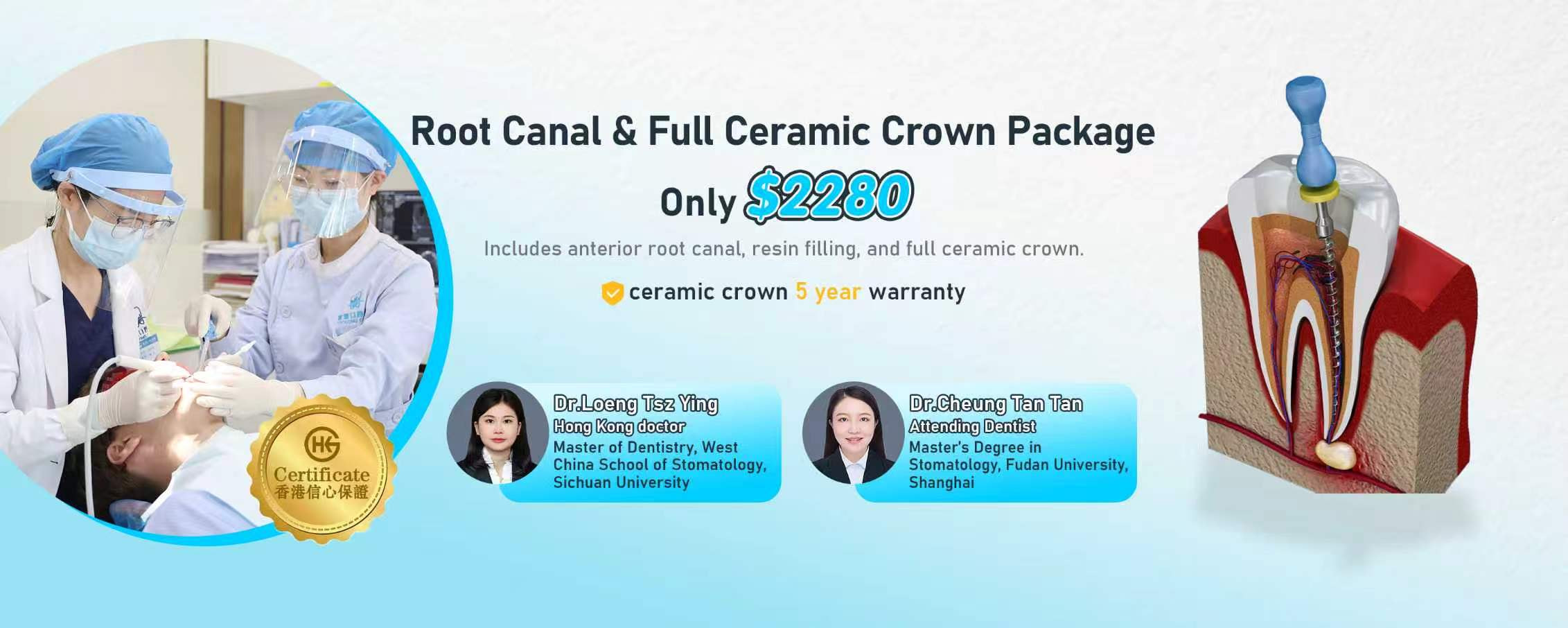
- Ask about warranties: Many clinics offer time-limited guarantees on crowns, bridges, or implant restorations. Clarify what’s included (adjustments, repairs) and any conditions (checkup intervals).
- Time your appointments: Midweek, daytime slots can be easier to book and sometimes come with better availability of senior clinicians.
- Explore material options: For restorations, you may have multiple suitable materials. Discuss durability, aesthetics, and cost implications with your dentist.
- Leverage insurance: For major procedures, seek pre-authorization and ensure your plan covers the proposed treatment codes to avoid surprises.
- Maintain at home: Daily flossing, fluoride toothpaste, and a soft brush extend the lifespan of dental work and reduce future chair time.
Common treatments available
- Preventive: Exams, cleanings, sealants, fluoride varnishes
- Restorative: Tooth-colored fillings, inlays/onlays, crowns, bridges
- Endodontics: Root canal therapy with digital imaging and rubber dam
- Periodontics: Gum therapy, maintenance programs for gum health
- Implants and oral surgery: Tooth extraction, bone grafting, implant placement, and restoration
- Orthodontics: Fixed braces and clear aligners for teens and adults
- Cosmetic: Whitening, bonding, veneer planning
- Pediatric care: Child-friendly exams, preventive treatments, habit counseling
- Emergency care: Pain relief, infection control, temporary restorations
Safety and quality indicators
Look for clinics that demonstrate: clear informed consent; documented sterilization protocols; PPE and single-use items; rubber dam for endodontics; bitewing X‑rays for decay detection when indicated; and transparent, written aftercare instructions. Many clinics share post-op guidance via WeChat, which makes follow-up easy.
Language and communication tips
If you’re not fluent in Mandarin, request an English-speaking dentist or coordinator. Ask for written summaries of your diagnosis and plan. Photos and digital scans can help you understand the rationale behind treatment and make it easier to seek a second opinion if needed.
Logistics and practicalities
Shenzhen’s metro system puts most clinics within easy reach. Aim to arrive 10–15 minutes early to complete forms. Bring prior dental records or images if you have them—continuity saves time and helps avoid unnecessary repeat imaging. After treatment, schedule your follow-up before leaving, especially for multi-visit procedures and orthodontics.
Red flags to avoid
- Pressure to start extensive treatment immediately without diagnostics
- Vague answers about sterilization or materials
- No itemized plan or refusal to provide records
- Promises of guaranteed outcomes that sound too good to be true
Bottom line
Dental care in Shenzhen is accessible, modern, and can be cost-effective when you plan wisely. Choose a licensed provider, insist on a transparent treatment plan, compare options for major work, and stay consistent with preventive care. With those basics in place, you’ll protect your oral health—and your budget.
















