





Veneers in Shenzhen: Is It Worth the Trip from HK? (2026)
Thinking about getting dental veneers across the border? In 2026, Shenzhen has firmly established itself as a cosmetic dentistry hub in the Greater Bay Area, drawing interest from Hong Kong residents who want a smile upgrade without compromising on quality. If you’re weighing up whether the journey is worth it, here’s a practical, no-nonsense guide to making an informed decision.
What Are Veneers—and Who Are They For?
Dental veneers are thin shells, usually porcelain or composite, bonded to the front surface of teeth to improve shape, color, and alignment. They can address stains that don’t respond to whitening, small chips, gaps, mild misalignment, and teeth that look worn or uneven. Veneers aren’t for everyone—if you have significant decay, gum disease, or severe alignment issues, your dentist may recommend other treatments first—so a proper evaluation is essential.
Why Shenzhen Is on the Veneer Map
Shenzhen’s rise in cosmetic dentistry isn’t just about buzz. Many clinics invest in digital workflows (intraoral scanning, CAD/CAM design, 3D smile simulations), modern materials, and lab partnerships that can produce precise, natural-looking veneers. You’ll find English-speaking teams in international dental centers, and some clinics have dentists trained in the UK, US, Australia, or Hong Kong.
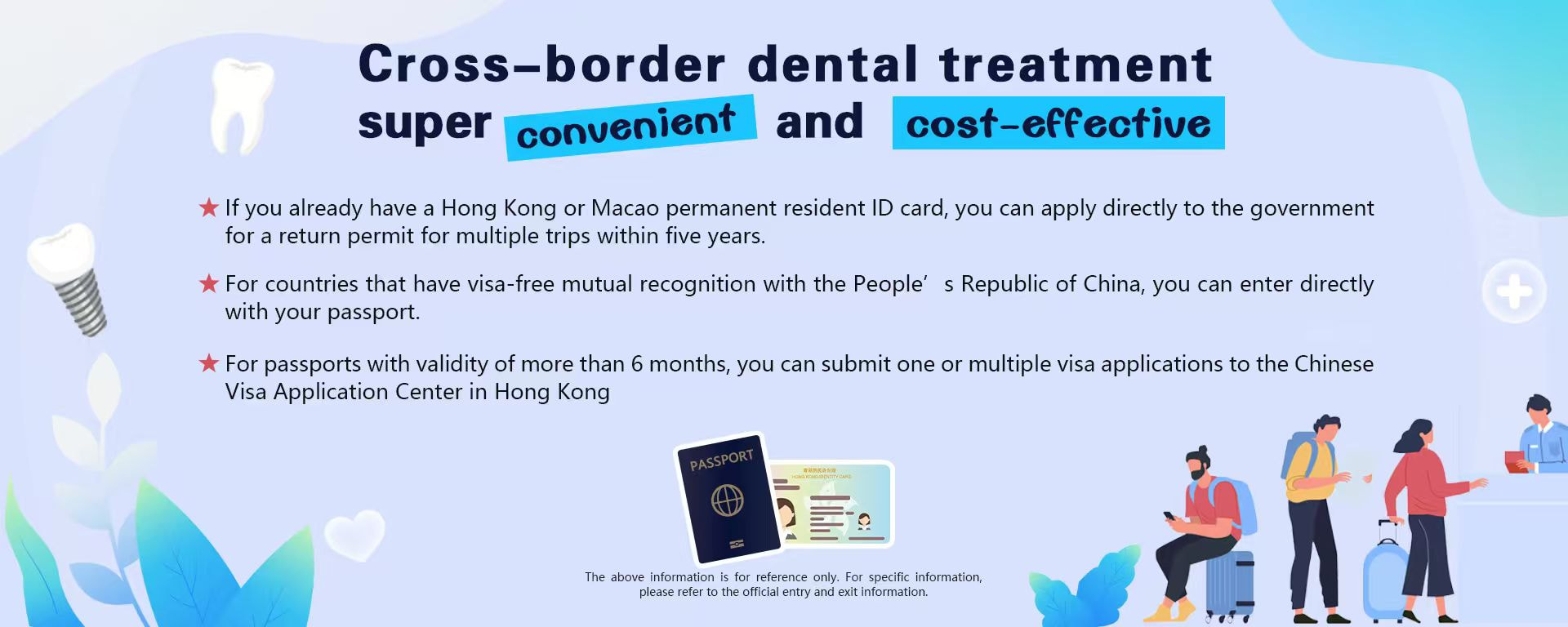
The city’s proximity to Hong Kong is a major plus. With the expanded MTR and high-speed rail links, crossing via Futian or West Kowloon can be surprisingly seamless. If you plan your appointments around off-peak times and have your documents ready, travel is less of a hurdle than it used to be.
Porcelain vs. Composite Veneers
- Porcelain veneers: Known for lifelike translucency and durability. They resist staining better and can last many years with good care. Typically require more planning, and sometimes minor enamel reduction.
- Composite veneers: Sculpted chairside in one visit. They’re more affordable upfront and easier to repair, but may stain sooner and might need more maintenance over time.
A trustworthy clinic will explain the trade-offs clearly, consider your bite and enamel thickness, and design a solution tailored to your goals.
What the Process Usually Looks Like
1. Consultation and smile design: Expect a thorough assessment, photos, scans or impressions, and a discussion of goals. You should walk away with a clear plan, timeline, and an understanding of benefits, limits, and risks.
2. Mock-up or temporary trial: Some clinics offer a temporary mock-up to preview changes before committing. This is invaluable if you’re unsure about shape or length.
3. Tooth preparation (if needed): Minimal enamel reduction is sometimes required for ideal fit and aesthetics. Your dentist should keep this conservative and explain exactly what’s being done.
4. Fabrication: Porcelain veneers are crafted in a lab; composite is done chairside. Digital workflows can shorten turnaround times.
5. Bonding: Final fit, color matching, and bonding. Your dentist checks bite, symmetry, and margins carefully.
6. Follow-up: Minor adjustments may be needed as you get used to your new smile.
Timing for HK Travelers
With good planning, veneers can be done in as few as two visits for composites or several visits for porcelain. If you’re traveling from Hong Kong, aim to consolidate visits:
- Day 1: Consultation, scans, and mock-up.
- Day 2 or 3: Prep and temporaries (for porcelain).
- Day 4–10: Final veneers and bonding (depending on lab schedule).
For compos
ites, some cases can be completed in a single extended appointment, but complex designs might still benefit from multiple sessions.
Quality and Safety Considerations
The best Shenzhen clinics follow international infection control standards, provide clear consent documents, and offer guarantees on workmanship. Don’t be shy about asking:
- Dentist credentials and experience with veneers.
- Case photos and before/after results.
- Material brands and lab details.
- Sterilization protocols and complication management.
- What’s included in follow-up care.
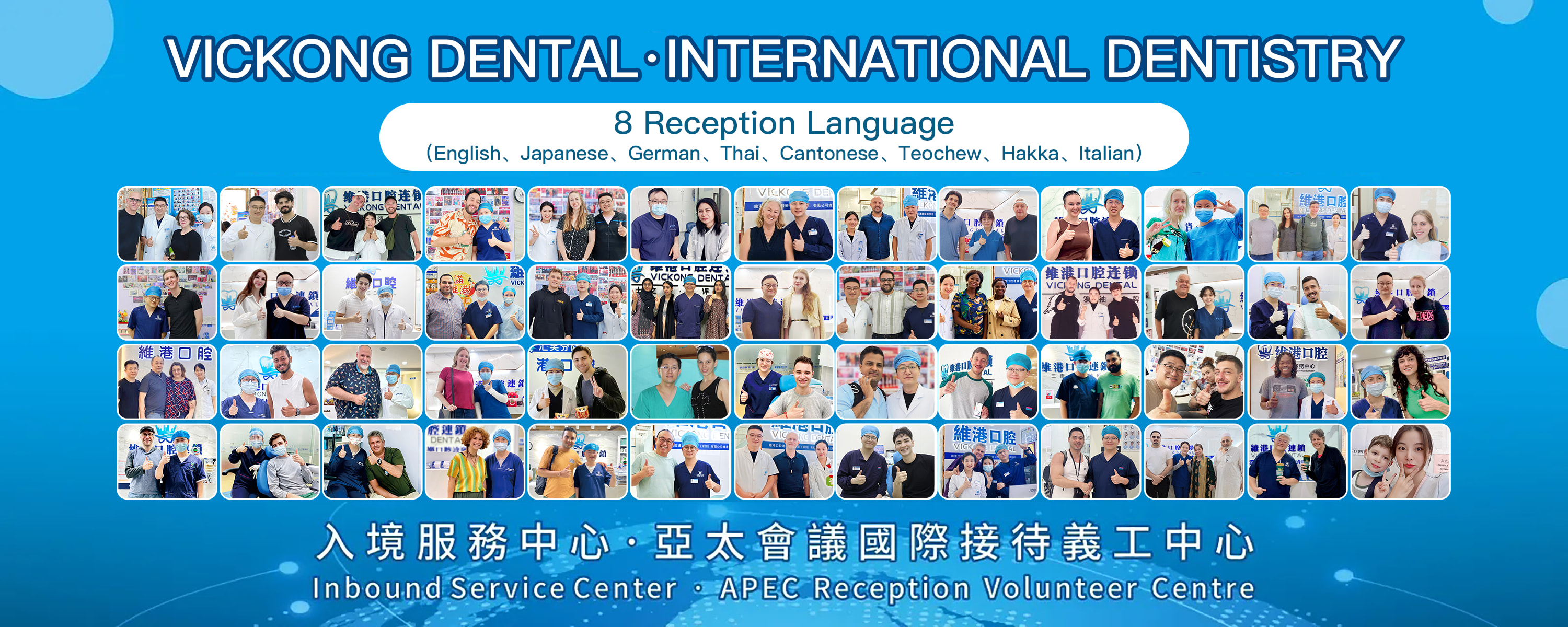
Language shouldn’t be a barrier at reputable clinics; many have multilingual staff or translators, and written reports can be provided in English or Chinese for your home dentist.
Travel Logistics in 2026
Cross-border travel is more predictable than in previous years, with frequent trains and streamlined immigration at major ports. Plan buffer time for each visit, bring all necessary documentation, and consider scheduling morning slots to avoid peak traffic. If you’re doing multiple veneers, you may want a short stay in Shenzhen to reduce back-and-forth fatigue. Some clinics help coordinate schedules around travel windows, which makes a big difference.
Aftercare and Longevity
Veneers look amazing the day they go in, but maintenance matters:
- Wear a night guard if you grind your teeth.
- Avoid using teeth as tools or biting hard objects.
- Keep up with professional cleanings and gum health.
- Brush and floss diligently; veneers need healthy tooth and gum support.
- Minimize staining habits with composite veneers (coffee, tea, red wine, smoking).
Expect periodic checks—your dentist in Hong Kong can do routine reviews, while the Shenzhen clinic may handle specific veneer-related adjustments depending on the arrangement.
Pros and Cons of Going to Shenzhen
Pros:
- Strong cosmetic dentistry ecosystem with digital tools and experienced practitioners.
- Efficient travel options from Hong Kong and flexible scheduling.
- Comprehensive case planning and access to international-grade materials.
Cons:
- Multiple visits may be needed; plan for travel time and follow-up.
- Cross-border logistics add complexity if urgent issues arise.
- Communication and standards vary—careful clinic selection is essential.
How to Choose the Right Clinic
- Verify credentials and licensing; look for dentists with recognized training and memberships in reputable dental associations.
- Read reviews from cross-border patients and examine real case portfolios.
- Ask for a written treatment plan, including steps, timelines, and aftercare.
- Clarify how complications or repairs are handled, especially if you’re back in Hong Kong.
- Confirm language support and coordination with your home dentist.
Is It Worth the Trip from HK?
For many patients, yes—provided you choose a clinic with a strong track record, embrace thorough planning, and set realistic expectations. Shenzhen’s combination of technology, expertise, and convenience is compelling, especially for people seeking multi-tooth veneer cases or digital smile design. If you value meticulous aesthetics and efficient scheduling, the journey can be well worth it.
Before you book, get a preliminary assessment—either in Hong Kong or via a detailed online consultation—to ensure veneers are appropriate for your teeth and gums. Then compare clinics, lock in a clear timeline, and plan aftercare. With the right preparation, crossing to Shenzhen for veneers in 2026 can be a smooth path to the confident, natural smile you want.
















