




Root Canal in Macau? Try Zhuhai – Right Across the Border
If you’re dealing with a stubborn toothache in Macau and your dentist has mentioned a root canal, you might be wondering about your options. Here’s a smart, practical tip locals and expats quietly lean on: consider getting your root canal in Zhuhai. It’s literally right across the border, with modern clinics, experienced dentists, and appointment availability that can make a stressful dental issue feel a lot more manageable.
Why Zhuhai for a root canal
- World-class techniques: Many Zhuhai clinics use dental microscopes, rubber dams, rotary instruments, and CBCT 3D imaging. These tools help clean and shape canals more precisely, reducing the chance of reinfection.
- More appointment slots: Because the city is larger and clinics are abundant, same-day or next-day bookings are often easier to find, especially near Gongbei, Jida, or Hengqin.
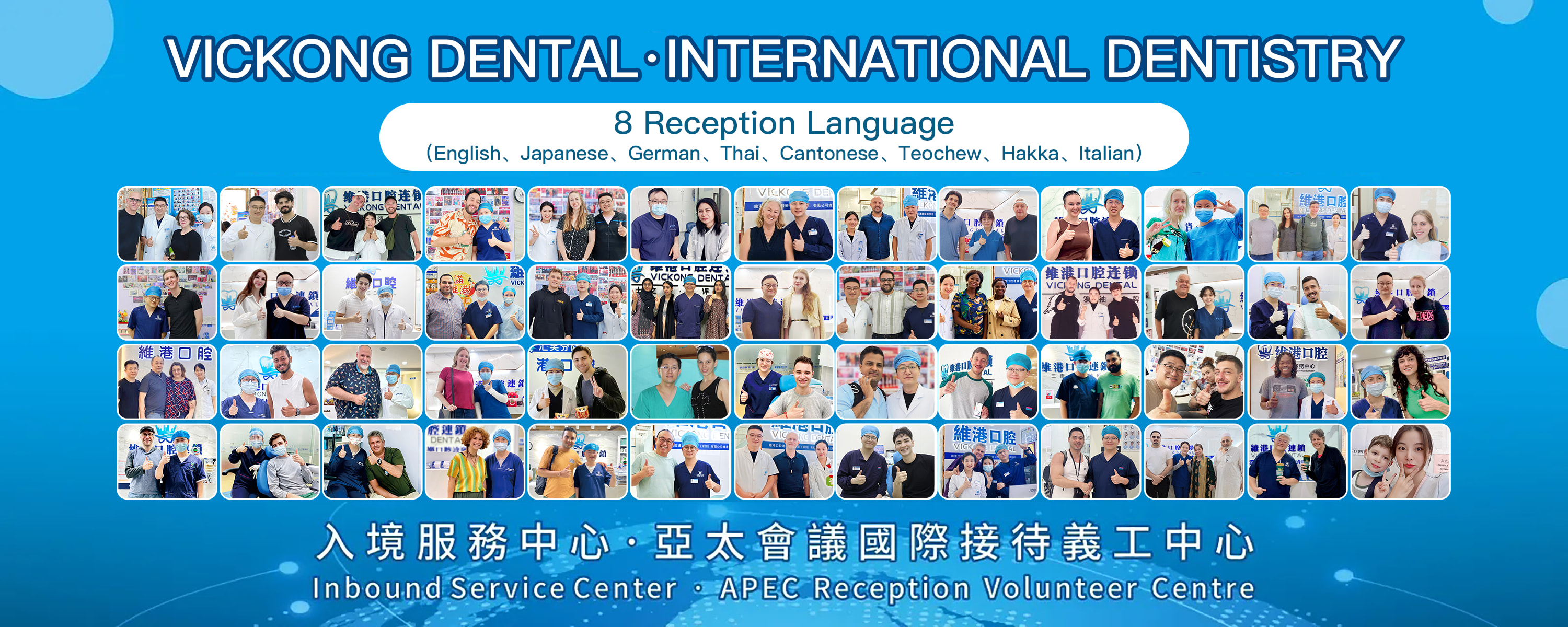
- Bilingual care: You’ll find dentists and staff who communicate in English, Cantonese, and Mandarin. That matters when you’re discussing symptoms, sensitivities, and aftercare.
- Convenience: Walk or take a short ride across the border via Gongbei Port, Qingmao Port, or Hengqin Port. Many clinics sit within a 5–15-minute taxi ride once you’re on the Zhuhai side.
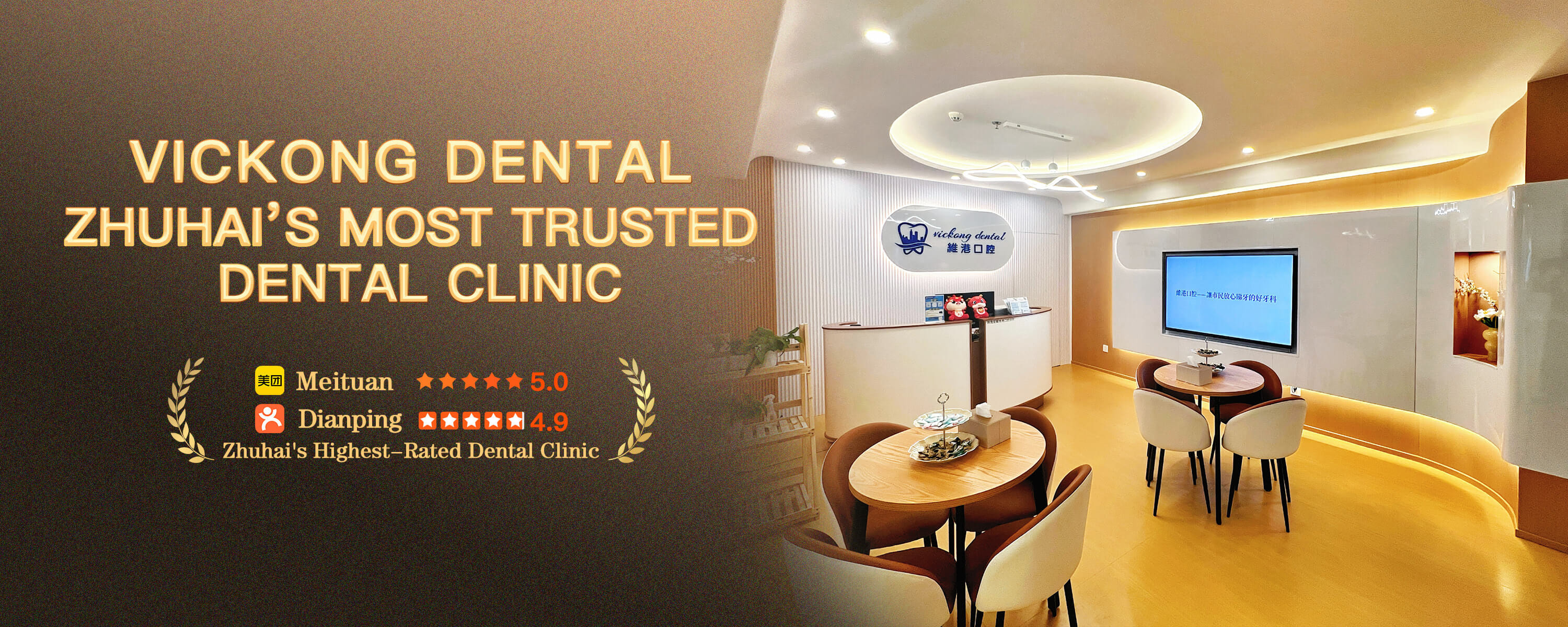
- Comfortable patient experience: Sedation options, painless anesthetics, and calm, spa-like clinics are increasingly common, which helps if you’re nervous about dental work.
What a root canal actually involves
A root canal treats an infected or inflamed tooth pulp (the nerve and blood supply inside your tooth). In simple terms, the dentist numbs the area, removes the diseased tissue, disinfects the canals, and fills them to seal out bacteria. Here’s the usual flow:
1) Diagnosis and imaging: The dentist checks your symptoms—lingering pain to hot/cold, chewing sensitivity, swelling, or a dark spot on the gum—and uses X-rays or CBCT to map the canals and find hidden infection.
2) Anesthesia and isolation: Local anesthetic keeps you comfortable. A rubber dam (a small sheet) isolates the tooth to keep saliva out and maintain a sterile field.
3) Canal cleaning: Using tiny files and irrigants, the dentist removes infected tissue and shapes the canals. A microscope often improves visibility in complex cases or molars.
4) Filling and sealing: The canals are filled with gutta-percha and a biocompatible sealer, then a temporary or permanent filling is placed.
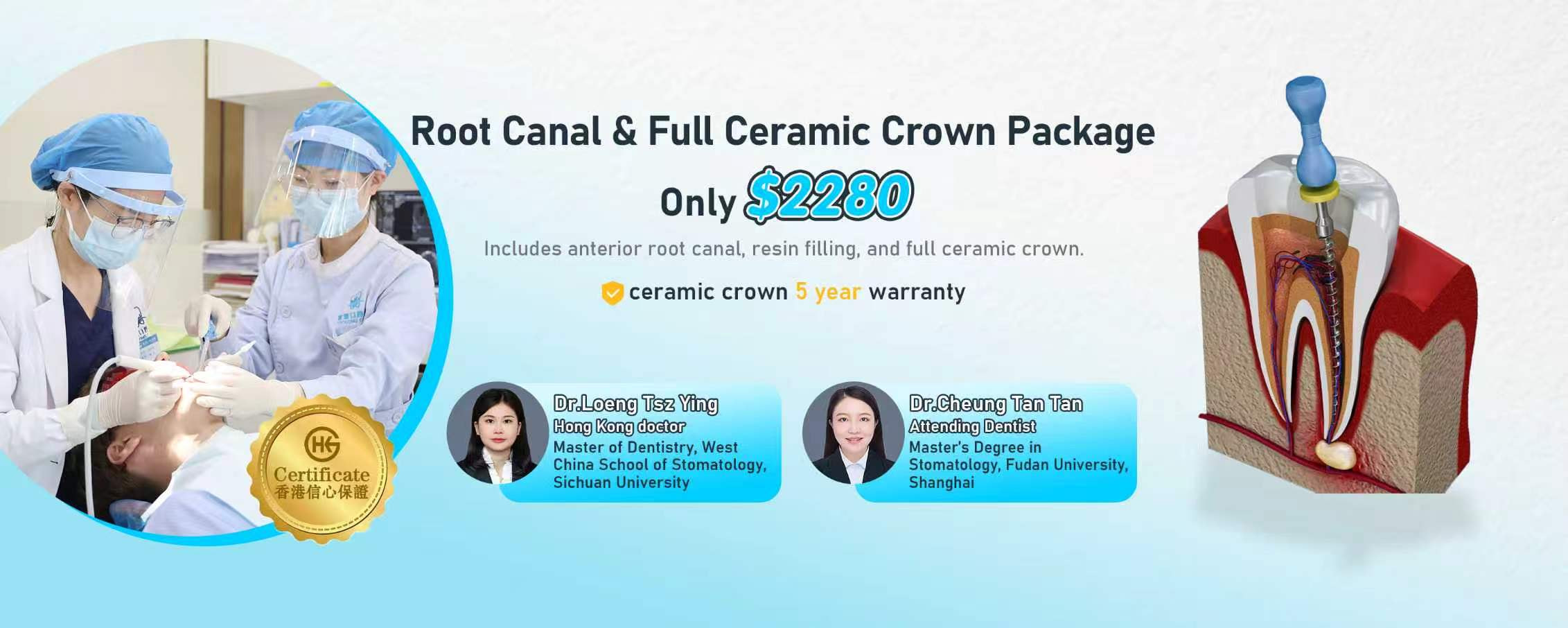
5) Crown recommendation: Many molars and heavily decayed teeth benefit from a crown afterward, which protects the tooth from cracks and restores chewing power.
Some cases are completed in one visit; others need two, depending on the infection’s severity and your dentist’s plan.
Crossing from Macau to Zhuhai: practical tips
- Choose the right port: Gongbei Port is the busiest and closest to central Zhuhai; Qingmao Port is efficient for pedestrians; Hengqin Port serves those heading to the Hengqin New Area.
- Time your visit: Crossing times vary by hour and day. Early mornings or late afternoons outside rush hours can be smoother.
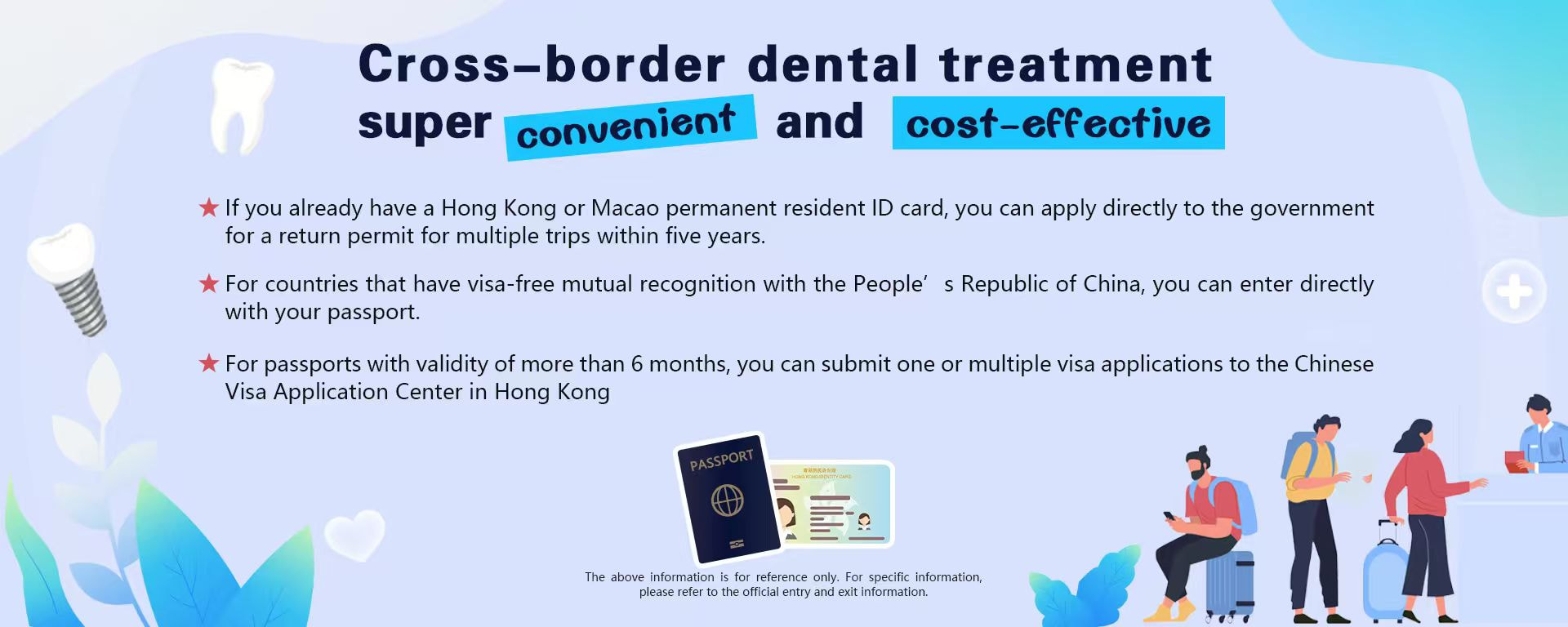
- Bring the right documents: Ensure your travel card, passport, and entry permissions are valid. If you use e-channels, confirm enrollment beforehand.
- Pl
an transport: Once in Zhuhai, ride-hailing apps, taxis, or short bus hops get you to nearby clinics quickly. Sharing the clinic’s Chinese address helps drivers find the exact building.
- Keep comfort in mind: After a root canal, your mouth may be numb. Avoid scheduling heavy meals or major meetings immediately post-treatment.
How to choose the right clinic in Zhuhai
- Experience and technology: Look for clinics that highlight microscope-assisted endodontics, modern sterilization, and CBCT capability when needed.
- Credentials and reviews: Check qualifications, patient feedback, and before/after cases. Second opinions are welcome for complex situations.
- Communication: Bilingual staff who explain each step—diagnosis, procedure, and aftercare—make the experience smoother.
- Availability: Ask about same-day slots, weekend hours, or emergency care. Tooth pain rarely follows business hours.
- Transparency: Request a written treatment plan that outlines the procedure stages and any recommended crown or follow-up visit.
What to expect after your root canal
It’s normal to have mild soreness for a couple of days, especially when biting down. Your dentist will explain over-the-counter pain-management options and when to resume normal chewing. If you’re getting a crown, you’ll return for fitting and placement once the tooth has settled. Call the clinic if you notice swelling, persistent pain beyond the expected window, or a loose temporary filling.
Benefits of doing aftercare conveniently
Being close to Macau means you can pop back for a follow-up without disrupting your schedule. Many patients book early morning or late afternoon appointments, cross the border, get treated, and return the same day.
Frequently asked questions
Is a root canal painful?
With modern anesthesia and techniques, most patients feel only minor pressure during treatment. Post-procedure discomfort is usually manageable and short-lived.
Do I need a crown afterward?
Not always, but crowns are strongly recommended for molars or teeth with large cavities or cracks. They protect the treated tooth and improve longevity.
What if my canals are hard to find?
This is where CBCT imaging and microscopes shine—they help locate extra canals and unusual anatomy, improving success rates.
Can I eat or work the same day?
Yes, but wait until numbness wears off to avoid biting your cheek or tongue. Soft foods and gentle chewing are a good idea for the first day.
Language and payment considerations
Many Zhuhai clinics near the border cater to international patients. You’ll typically find English or Cantonese-speaking dentists, and common payment methods are widely accepted. If you have dental insurance, check whether cross-border claims are supported and what documentation you’ll need.
The bottom line
If you’re in Macau and facing a root canal, Zhuhai offers a compelling blend of advanced dentistry, flexible scheduling, and easy access. Crossing the border can turn a stressful, time-sensitive problem into a well-managed appointment with skilled professionals and modern technology. With thoughtful planning—choosing the right port, clinic, and time—you’ll be on your way to relieving pain and protecting your smile, right next door.
















