




Dental Implants in Shenzhen: Real Patient Experiences
Thinking about dental implants in Shenzhen? You’re not alone. With a blend of advanced technology, experienced clinicians, and an international community, Shenzhen has become a go-to destination for people seeking reliable, modern implant dentistry. To help you picture what it’s really like, here’s a grounded look at the process, plus stories from real patients who navigated it—from consultation to confident smiles.
Why Shenzhen stands out
In recent years, many clinics in Shenzhen have invested in 3D imaging (CBCT scans), digital planning software, and guided surgery systems. That means more precise implant placement, shorter chair time, and a better chance of predictable results. You’ll also find bilingual teams in areas like Nanshan and Futian, making it easier for expats and cross-border patients to communicate clearly during every step. Above all, the focus on sterilization standards and modern materials—such as titanium implants and zirconia or ceramic crowns—gives patients peace of mind.
Real patient experiences
Lina’s single-tooth replacement
Lina, a 32-year-old designer, cracked a premolar during a cycling accident. Her implant journey began with a CBCT scan and a digital impression, followed by a detailed plan that included a 3D-printed surgical guide. The placement took under an hour with local anesthesia, and she returned to work in two days. During the healing period, she used a temporary solution to keep her smile intact. Four months later, her final crown was placed, matched to her bite, and she now says she “forgets it’s even there.”
Mark’s expat-friendly experience
Mark, an English teacher living in Shenzhen, had a missing molar and worries about communication. He described being relieved when the clinic provided bilingual consent forms and a clear outline of risks, benefits, and timelines. He chose mild sedation due to dental anxiety. After placement, he noticed minor swelling for two days, managed with prescribed medication and ice packs. At the four-month check, imaging confirmed solid osseointegration. His final crown allowed him to chew comfortably again, and he praised the follow-up reminders that kept his maintenance on track.
Mr. Zhou’s complex case and patience
Mr. Zhou, a retiree, opted for multiple implants after years of avoiding chewy foods. Because of bone loss in the upper jaw, his surgeon recommended a staged approach with sinus lifts and bone grafting. It took longer—nearly a year from start to finish—but he emphasized that the careful pacing paid off. Today he enjoys meals he had long given up, and highlights how regular reviews and hygiene appointments helped protect his investment.
What the implant process typically involves
- Consultation and CBCT scan: Your dentist evaluates bone density, gum health, and spacing. A 3D scan helps identify nerves and sinuses and plan the safest implant position.
- Digital planning: Many clinics use software to design the implant’s angle and depth. A surgical guide may be 3D-printed for precise placement.
- Placement under local anesthesia: The implant (a small titanium post) is placed into the jaw. Some patients also receive a temporary tooth for aesthetics, depending on the location and bite.
- Healing and osseointegration: Over 3–6 months, the implant fuses with bone. You’ll be advised to avoid hard chewing on the site and to maintain meticulous oral hygiene.
- Abutment and crown: Once stable, an abutment connects the implant to a custom crown. The dentist checks bite alignment and aesthetics before finalizing.
- Follow-up and maintenance: Reg
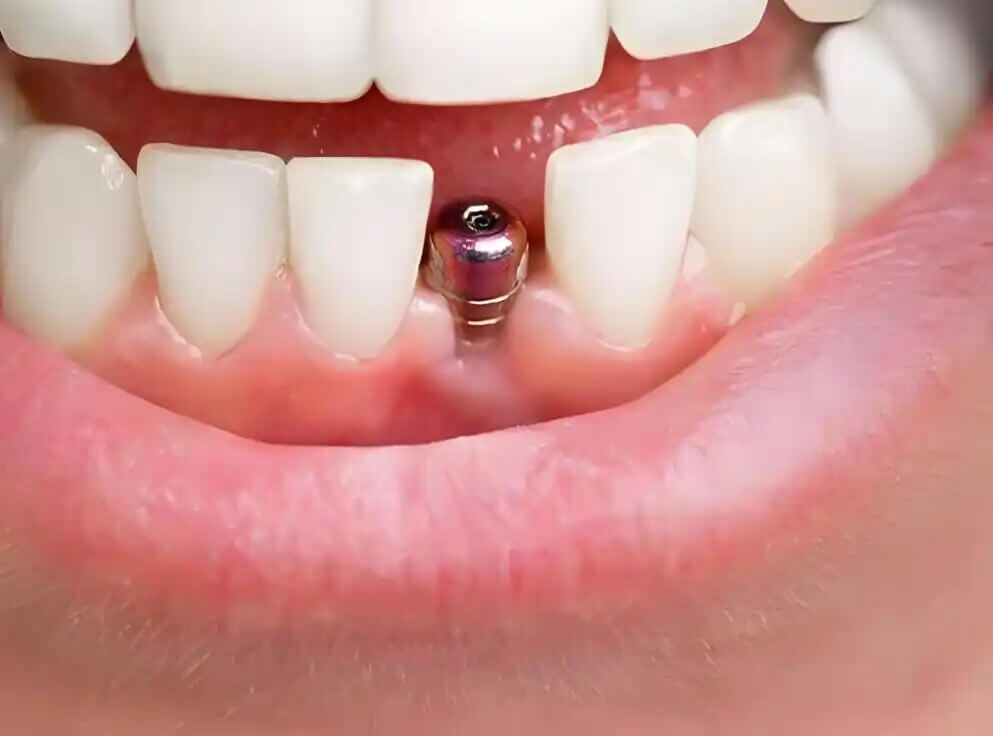
ular reviews ensure the tissue stays healthy, and adjustments are made if needed.
How it feels: pain, recovery, and downtime
Most patients describe the placement as surprisingly manageable. Local anesthesia is standard, and post-op discomfort is typically mild to moderate for 48–72 hours. Swelling peaks around day two, then eases. If you’re sensitive or undergoing additional procedures (like grafting), your dentist may recommend extra rest and a more cautious diet. Plan for soft foods, warm saline rinses, and good hydration. Avoid strenuous exercise and smoking during early healing, as both can affect outcomes.
Aftercare that really matters
- Brush twice daily and use interdental brushes around the implant.
- Consider a water flosser if you find floss tricky near the abutment.
- Schedule professional cleanings and checkups as advised.
- If you grind your teeth, ask about a night guard to protect your crown.
- Manage systemic health (e.g., blood sugar) and avoid smoking to reduce risk of complications like peri-implantitis.
How to choose a clinic in Shenzhen
- Credentials and experience: Look for licensed implant dentists with additional training in oral surgery or prosthodontics. Ask about case numbers and see before-and-after photos.
- Technology and planning: CBCT imaging, guided surgery, and digital impressions signal a modern, precise workflow.
- Sterilization and safety: Ask about their sterilization protocols and how they handle complications or medical histories.
- Treatment roadmap: You should receive a written plan covering all stages—scans, extractions if needed, grafting, timelines, temporary options, and maintenance.
- Lab quality and materials: Inquire about implant brands, abutment options (titanium or custom zirconia), and whether crowns are screw-retained or cemented.
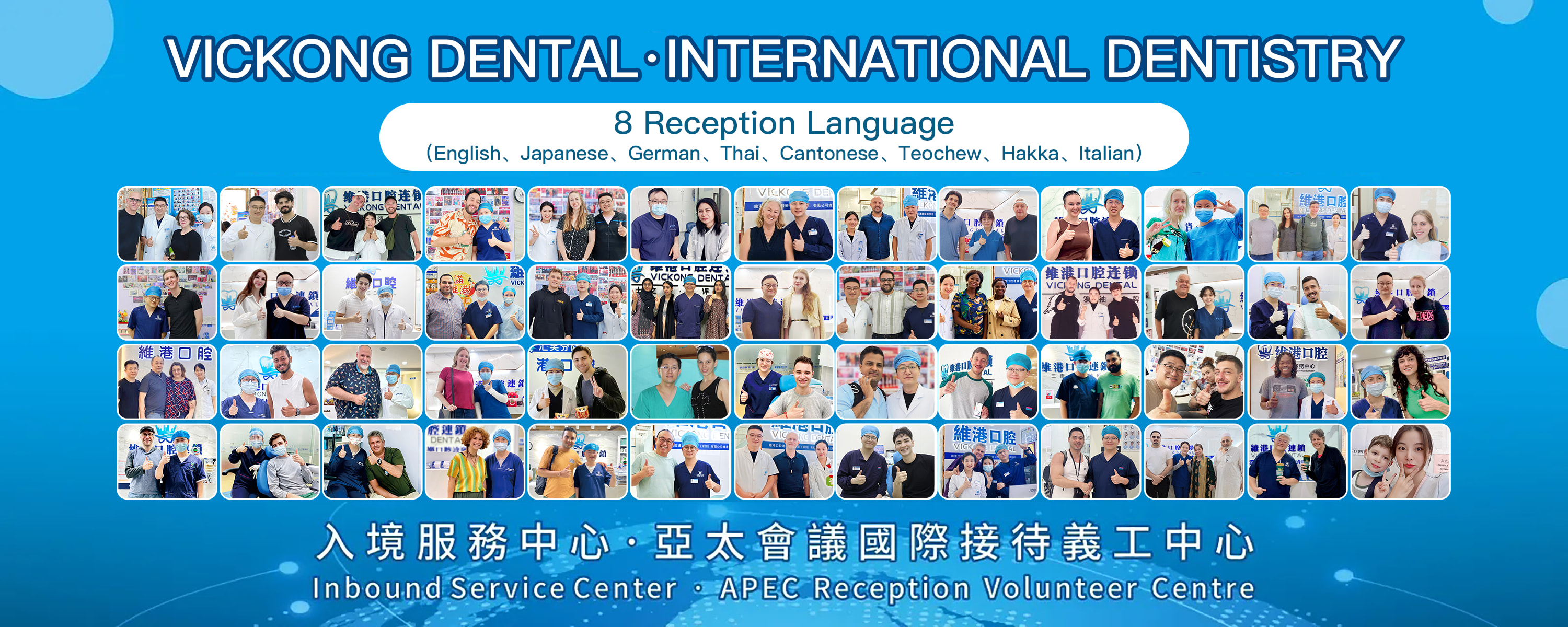
- Language support and documentation: Bilingual consent forms and clear follow-up schedules make a big difference, especially for expats.
- Follow-up policy: Good clinics emphasize long-term care with structured recalls and hygiene support.
Common questions, honest answers
- How long does it take? Single implants often need 3–6 months from placement to final crown. Complex cases with grafting can take longer.
- Is it obvious? Well-designed crowns blend with your natural teeth in color and shape. Your dentist will test your bite to ensure comfort and function.
- What if I’m a smoker? Smoking increases complication risks. Many dentists require a smoke-free period before and after surgery for best results.
- What about bone loss? Bone grafts or sinus lifts can rebuild foundation in selected cases. Your surgeon will evaluate this with a CBCT scan.
- Will I get a temporary tooth? Often yes for front teeth, to maintain appearance. For molars, some patients skip temporaries to reduce pressure on the implant.
Travel and logistics tips
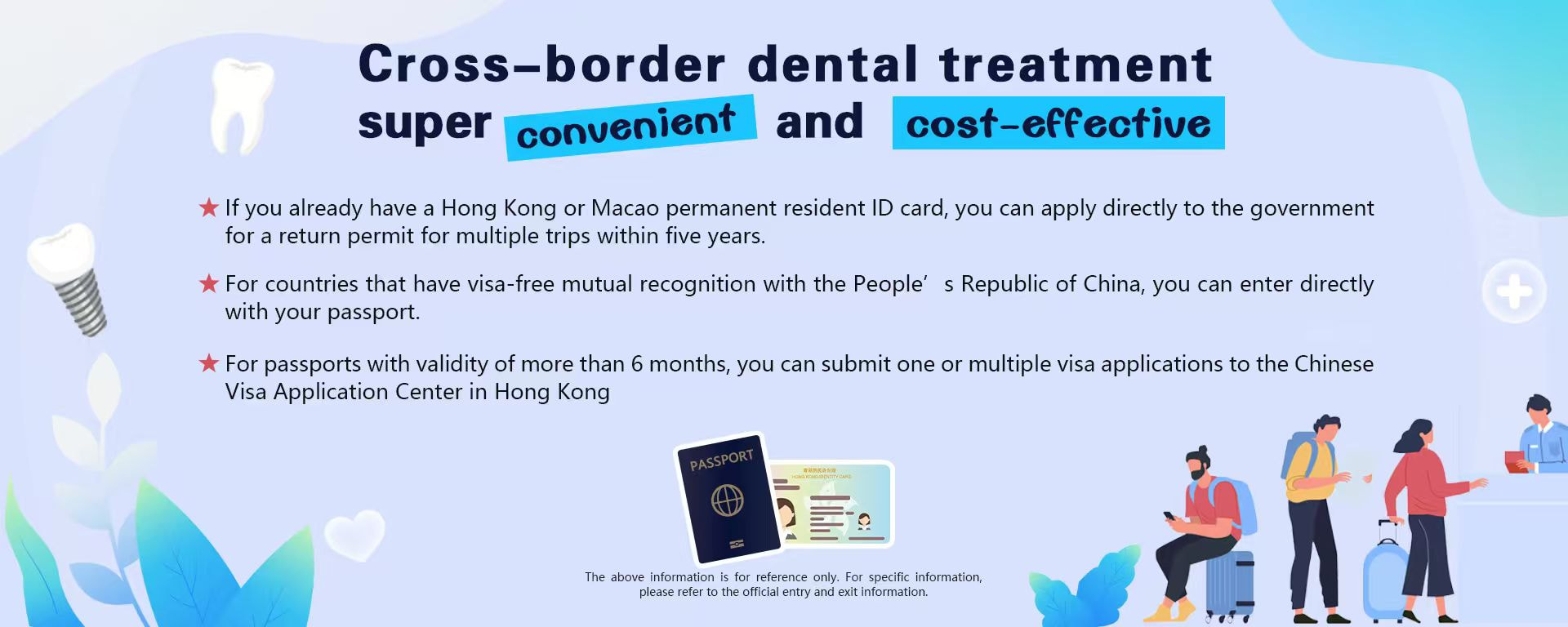
Shenzhen’s transit system makes clinic visits straightforward, but plan rest time after surgery. If you’re crossing from Hong Kong or flying in, schedule buffer days for follow-ups. Keep all clinical notes and imaging copies—helpful if you move or need care elsewhere. If you have dental insurance, confirm whether implant components or crowns are covered and what documentation is required.
Final takeaway
Dental implants in Shenzhen combine advanced technology with a patient-centered approach. The real stories above show that outcomes are not just about the procedure but also planning, communication, and diligent aftercare. Choose a qualified team, commit to maintenance, and you’ll give your new tooth—or teeth—the best chance to look and feel natural for years to come.
















