






Can Food Get Trapped in All-on-4 Implants? Key Insights
If you’ve chosen All-on-4 implants for a complete smile transformation, you already know they offer stability, a natural look, and a big boost in confidence. But one question comes up often after the initial excitement: can food get trapped around or under an All-on-4 bridge? The short answer is yes—just like with natural teeth and other fixed dental work, food particles can collect in certain areas. The good news is that you can manage it easily with the right habits and a well-designed prosthesis.
Why Food Gets Trapped Around All-on-4
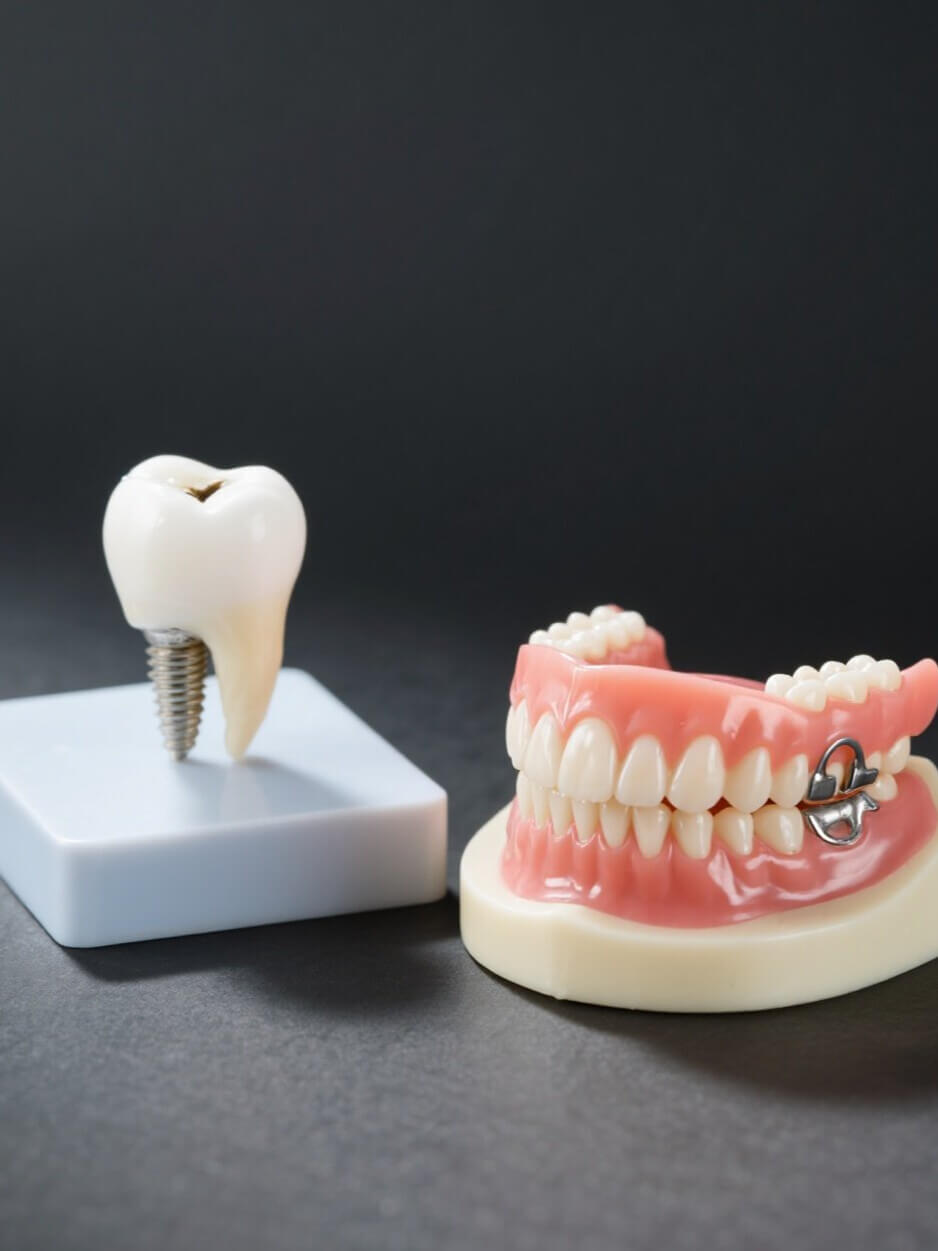
All-on-4 is a full-arch, fixed solution supported by four implants. The bridge sits above your gums and is shaped to be both supportive and cleanable. However, there is a small, intentional space where the bridge meets the gums. This “hygiene channel” allows you to get cleaning tools underneath, but it can also be where food collects.
Some common reasons food gets trapped include:
- The contour of the bridge’s underside (called the intaglio surface) and gum shape
- Natural changes in gum tissue over time, especially as swelling settles after surgery
- Certain foods that are fibrous, sticky, or seedy
- Inconsistent cleaning routines or tools that don’t reach under the bridge
Is Food Trapping a Problem?
Occasional food trapping isn’t a crisis, but it needs attention. Leaving debris in place can irritate the gums and lead to inflammation (peri-implant mucositis). If ignored, that inflammation can progress and affect the bone around the implants (peri-implantitis). Signs to watch for include tenderness, bleeding when you clean, persistent bad breath, or a foul taste. If you notice any of these, step up your cleaning regimen and check in with your dental provider.
Daily Cleaning Routine That Works
A thorough, gentle routine is the best defense against trapped food. Here’s a simple approach that most patients find easy to follow:
- Soft toothbrush: Brush the bridge, gumline, and tongue twice a day using a nonabrasive toothpaste. Pay attention to the transition line where the bridge meets the gums.
- Floss threader or superfloss: Use a threader to guide floss under the bridge and between the implant-supported sites. Glide gently to dislodge debris without snapping or forcing.
- Interdental brushes or soft picks: Choose small, flexible brushes (often rubberized tips) to clean the hygiene channel and tight spaces. Avoid overly stiff or large brushes that could irritate tissue.
- Water flosser: A water flosser on a comfortable pressure setting can flush out trapped food quickly. Aim the tip at a shallow angle toward the gumline and sweep along the underside of the bridge.
- Rinse: Finish with a gentle mouthwash or a warm saltwater rinse, especially after meals with seeds or fibrous foods.
Eating Tips to Reduce Trapping
You don’t have to avoid your favorite foods, but a few tweaks can minimize stuck particles:
- During the early phase after surgery or when wearing a temporary bridge, stick to softer foods and cut items into smaller pieces.
- Chew evenly on both sides to prevent pac
king food into one area.
- Take extra care with foods like popcorn, sesame and chia seeds, fibrous greens (like spinach), tough meats, sticky candies, and crusty bread—clean thoroughly after eating them.
- Drink water with meals and swish lightly afterward to help dislodge debris before you get to your brush or water flosser.
The Role of Prosthesis Design
A cleansable design is essential for long-term success. Ideally, the underside of the bridge should be smooth and slightly convex so debris is less likely to stick. The transition between the bridge and gums should allow access for hygiene tools without creating deep, inaccessible pockets. If you feel your bridge traps food excessively or is difficult to clean, mention it at your follow-up. Minor adjustments to contours or polishing of the intaglio surface can make a big difference.
Temporary vs. Final Bridge Considerations
After the surgery, swelling and tissue changes can alter the fit of a temporary bridge. That’s normal, and it’s one reason why food trapping may be more noticeable early on. When you receive your final bridge, your dentist will fine-tune the emergence profile (the way the bridge meets the gums) to improve both appearance and cleanability. If your gums continue to change, occasional refinements are still possible.
Professional Maintenance Matters
Even the best home care benefits from professional support. Routine check-ups allow your dental team to:
- Monitor gum health and implant stability
- Remove tartar in hard-to-reach areas
- Refresh the polish on the bridge to reduce plaque buildup
- Reassess the hygiene channel and make adjustments if needed
Frequency varies by individual, but many patients do well with visits every three to six months. If you’ve had a history of gum issues or dry mouth, you might need more frequent cleanings.
What to Do If Food Gets Stuck
If you feel something lodged and it won’t budge with gentle brushing and rinsing, use a water flosser or a floss threader to work it out slowly. Avoid using toothpicks or sharp objects that could damage the bridge or irritate your gums. Persistent discomfort or bleeding is a signal to contact your dentist for a closer look.
Quick FAQs
- Does food trapping mean my implants are failing? Not necessarily. It’s common and usually manageable with good hygiene. Ongoing discomfort or swelling, however, should be evaluated.
- Can design changes help? Yes. Smoothing or reshaping the intaglio surface and optimizing the hygiene channel can reduce food trapping.
- Will I always have to clean under the bridge? Yes. All-on-4 is a fixed solution, but it still requires daily maintenance—just like natural teeth.
The Bottom Line
Food can get trapped around All-on-4 implants, but it doesn’t have to become a problem. With a smart cleaning routine, mindful eating, and a prosthesis shaped for cleanability, you’ll keep your gums healthy and your smile fresh. If something feels off or consistently difficult to clean, talk with your dental team. A small tweak in design or technique can make everyday life with All-on-4 even more comfortable and carefree.
















