




Dental Implants in Shenzhen: Worth Traveling from HK?
Thinking about crossing the border for dental implants? For many people in Hong Kong, Shenzhen feels like the clinic next door—close enough for a day trip, yet full of modern facilities and experienced clinicians. Still, an implant is a long-term medical decision. Here’s a balanced look at whether traveling from Hong Kong to Shenzhen for dental implants makes sense for you.
Why Shenzhen is on the radar
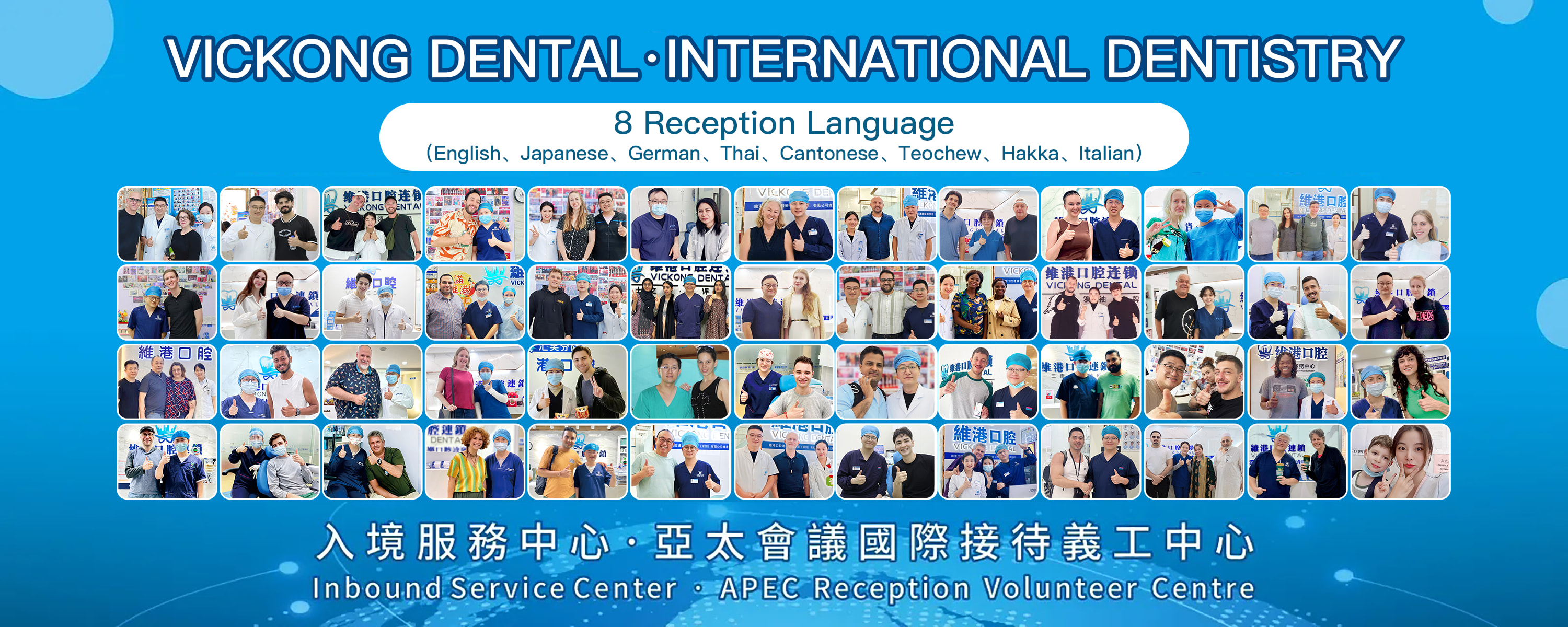
Proximity and convenience make Shenzhen an obvious contender. The city’s dental sector has grown rapidly, with contemporary clinics offering digital scans, CBCT imaging, and streamlined workflows that can shorten wait times. Bilingual staff are common in major districts, and clinics used to serving cross-border patients often accommodate weekend or early evening appointments. For people with busy schedules in Hong Kong, that flexibility is a real draw.
Quality, safety, and standards
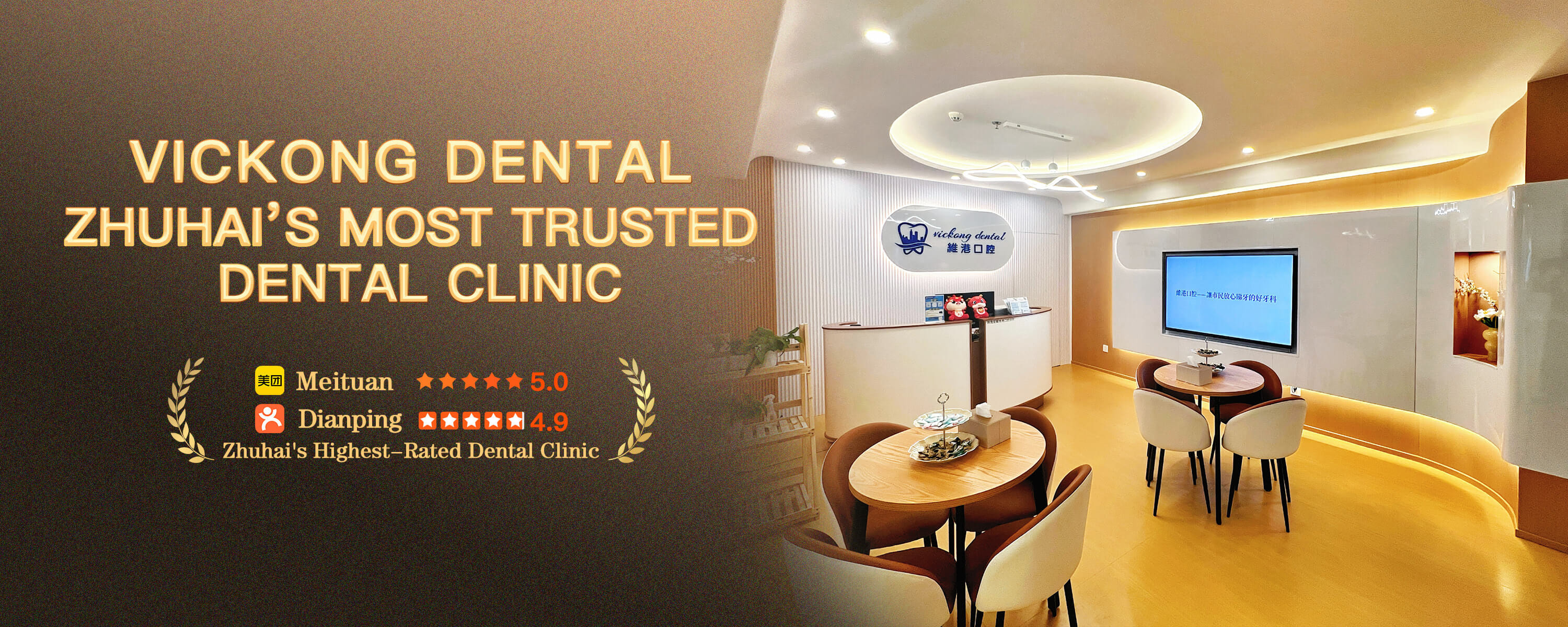
Implants are as much about the surgeon’s hands as the technology. In Shenzhen, you’ll find clinics that meet high standards: clean rooms, strict infection control, and recognized implant systems. Many implantologists have international training or hold memberships in global professional bodies. That said, quality can vary. Before committing, verify the dentist’s credentials, ask how many implants they place annually, and request to see case photos and follow-up outcomes. A reputable clinic will explain its sterilization protocols, the brands of implants and restorative components used, and provide a clear treatment plan with timelines and contingencies.
What to expect from the implant journey
A dental implant typically isn’t a single-visit affair. Most patients follow a staged timeline:
- Consultation and planning: Clinical exam, 3D imaging, and a personalized plan. If extractions or grafts are needed, your timeline extends.
- Surgical placement: The implant post is placed into the jaw. Many patients can return home the same day, but you should avoid strenuous activity and long commutes immediately after.
- Healing and osseointegration: The implant fuses with bone over several months. During this period, some clinics provide a temporary solution for aesthetics.
- Final restoration: Once healed, an abutment and crown are fitted. Expect a few short visits to fine-tune bite and aesthetics.
Some cases qualify for immediate loading (a temporary crown placed soon after surgery), but your surgeon will determine if you’re a suitable candidate. Patience here pays off—rushing can compromise long-term success.
Cross-border logistics and timing
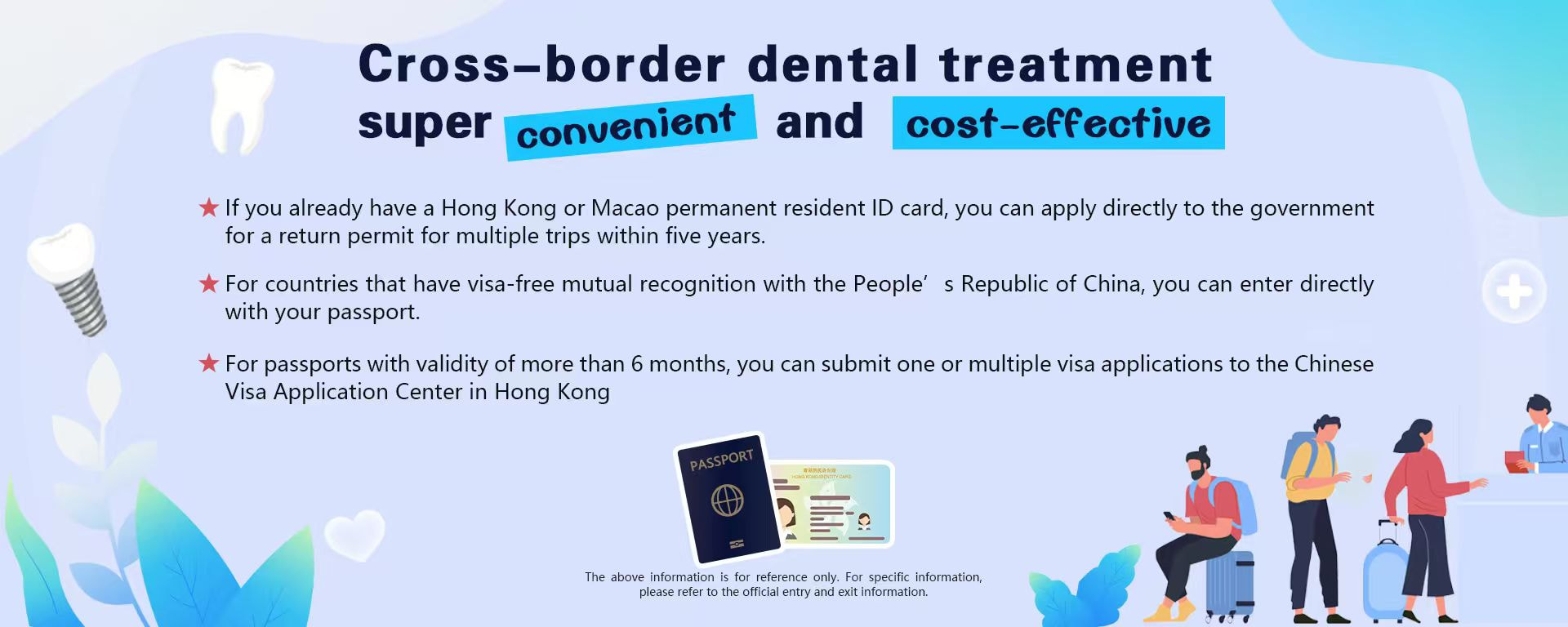
Travel convenience is a big factor. Shenzhen is reachable via MTR and high-speed rail, but border queues can fluctuate. Plan appointments outside peak travel times and factor in buffer minutes for immigration. After surgery, you may prefer a short ride home or even an overnight stay nearby to reduce post-op stress. Keep post-operative instructions handy, and carry prescribed medications across the border in their original packaging.
Communication and comfort
Clear communication is essential. Ensure your dentist explains the procedure, risks, and alternatives in language you fully understand. Request written consent forms and a summary of your treatment plan in English, including materials used and maintenance instructions. If you’re nervous or have a strong gag reflex, discuss sedation options i
n advance and confirm monitoring protocols.
Follow-up care and emergencies
Implants require follow-up checks: removing sutures, monitoring healing, and adjusting the final crown. Ask how follow-ups are scheduled for cross-border patients, who to contact after hours, and what happens if you experience issues like swelling, loosening, or bite discomfort. Many clinics support remote check-ins via messaging apps, but some problems require in-person visits. Make sure your calendar allows for a few trips over several months.
Costs without the numbers
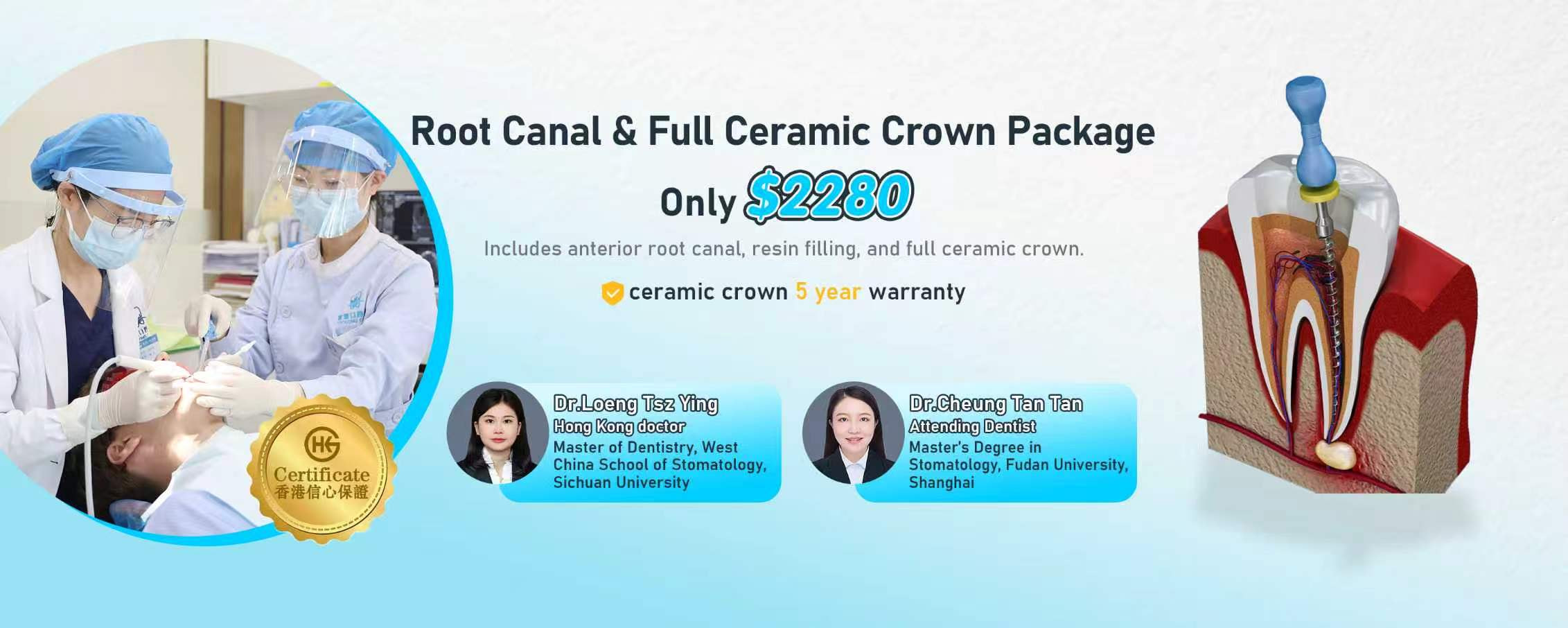
While many people consider Shenzhen for perceived cost advantages, remember that value isn’t just about fees. Factor in transportation, time off, and potential additional procedures like grafting. Ask about what’s included in your quote, the warranty terms for implant and crown, and how complications are handled. Transparent clinics will itemize treatment phases and outline what could affect the scope of work.
Who might benefit most
- Patients with straightforward cases who can attend scheduled follow-ups.
- Individuals comfortable with cross-border travel and flexible enough to make a few trips.
- People who prioritize modern technology and shorter waiting lists.
- Those with good oral hygiene, non-smokers or willing to quit, and with controlled medical conditions such as diabetes.
When it may not be worth it
- Complex cases requiring hospital-based care or multidisciplinary teams; managing complications across borders can be more cumbersome.
- Patients with tight schedules or limited ability to travel multiple times.
- Those who struggle with postoperative care instructions or are unlikely to maintain follow-ups.
- Individuals with significant dental anxiety if sedation services are limited or if long commute adds stress.
How to choose the right clinic
- Verify credentials: Ask about the dentist’s training, memberships, and annual implant volume.
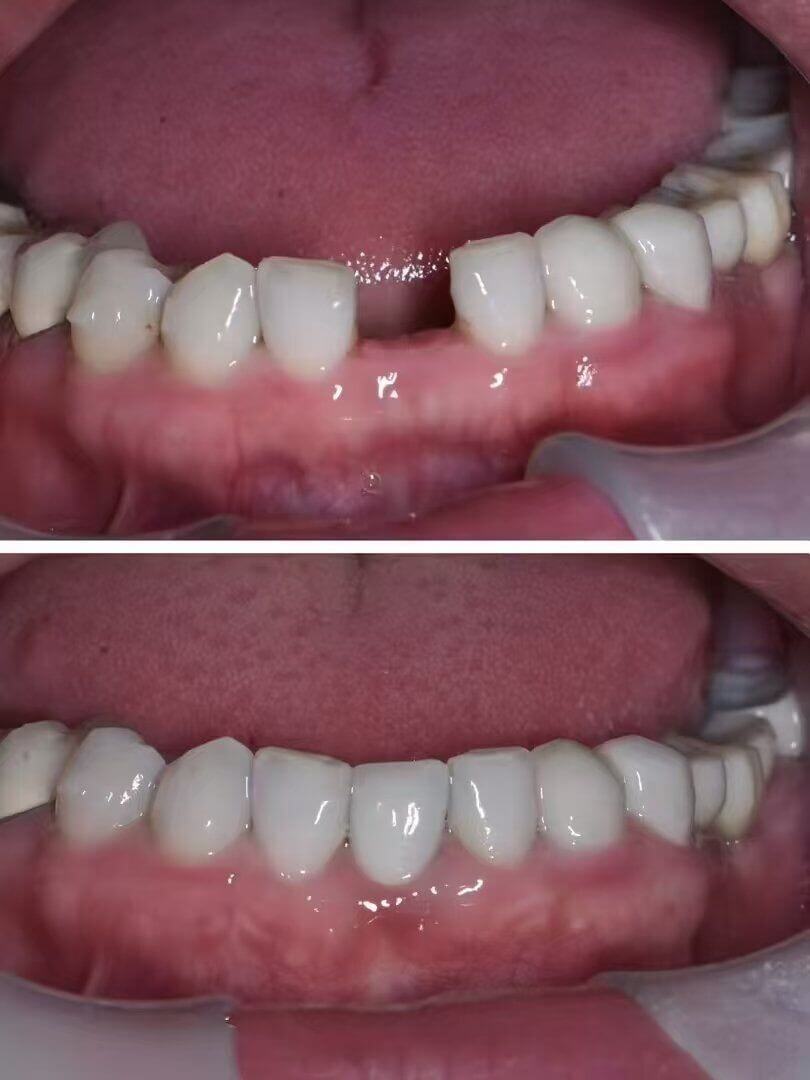
- Review outcomes: Request before-and-after photos, complication rates, and long-term follow-up data.
- Confirm technology: CBCT imaging, guided surgery protocols, and digital impressions can improve precision.
- Ask about materials: Brand of implant, abutment, and crown; availability of components for future maintenance.
- Clarify sterilization and infection control: Look for documented protocols and single-use consumables.
- Understand lab partnerships: On-site or trusted labs influence fit and aesthetics.
- Get everything in writing: Treatment plan, timeline, aftercare, and warranty terms.
Lifestyle and maintenance
Longevity depends on you as much as your dentist. Commit to excellent home care, regular cleanings, and follow-ups. Discuss night guards if you clench or grind, and avoid smoking. If you split time between cities, coordinate care with a Hong Kong dentist for routine cleanings while keeping your Shenzhen clinic informed.
The bottom line
Traveling from Hong Kong to Shenzhen for dental implants can be worth it if you value proximity, modern facilities, and potentially faster scheduling, and if you’re prepared for a structured multi-visit process. The key is due diligence: choose a qualified clinician, understand the timeline, plan for follow-ups, and prioritize long-term maintenance. With the right preparation, cross-border implant care can be smooth, predictable, and successful—just make sure the convenience aligns with your personal needs and health goals.
















