




Teeth Cleaning in HK? Consider Shenzhen in 2026
If you live in Hong Kong and you’re due for a teeth cleaning, you might be surprised how many neighbors are now crossing the border for routine care. In 2026, Shenzhen has become a practical, nearby alternative for scaling and polishing, blending modern clinics, convenient transport, and flexible scheduling—all within a short train ride.
What teeth cleaning actually involves
A professional dental cleaning goes beyond what your toothbrush can do. A typical session includes:
- An oral exam to check your gums and look for plaque, tartar, and early signs of decay.
- Ultrasonic scaling to remove hardened tartar above and below the gumline.
- Hand instruments to refine cleaning between teeth and along the gum margins.
- Polishing to smooth surfaces so plaque doesn’t build up as quickly.
- Personalized advice on brushing, flossing, and tools like interdental brushes or water flossers.
Some clinics may offer optional fluoride or desensitizing treatments. For most people, the visit is straightforward and takes less than an hour, though deep cleanings for gum disease take longer.
Why Shenzhen is on Hong Kong residents’ radar in 2026
- Proximity and speed: With frequent trains on the MTR and High Speed Rail, Futian, Shenzhen North, and other hubs are remarkably easy to reach from Hong Kong. For many, the travel time is comparable to crossing town for an appointment.
- Appointment availability: Busy urban schedules make it tough to book at peak times. Shenzhen clinics often offer extended hours, weekend slots, and quicker openings, which is a big plus if you want a cleaning before a big event or business trip.
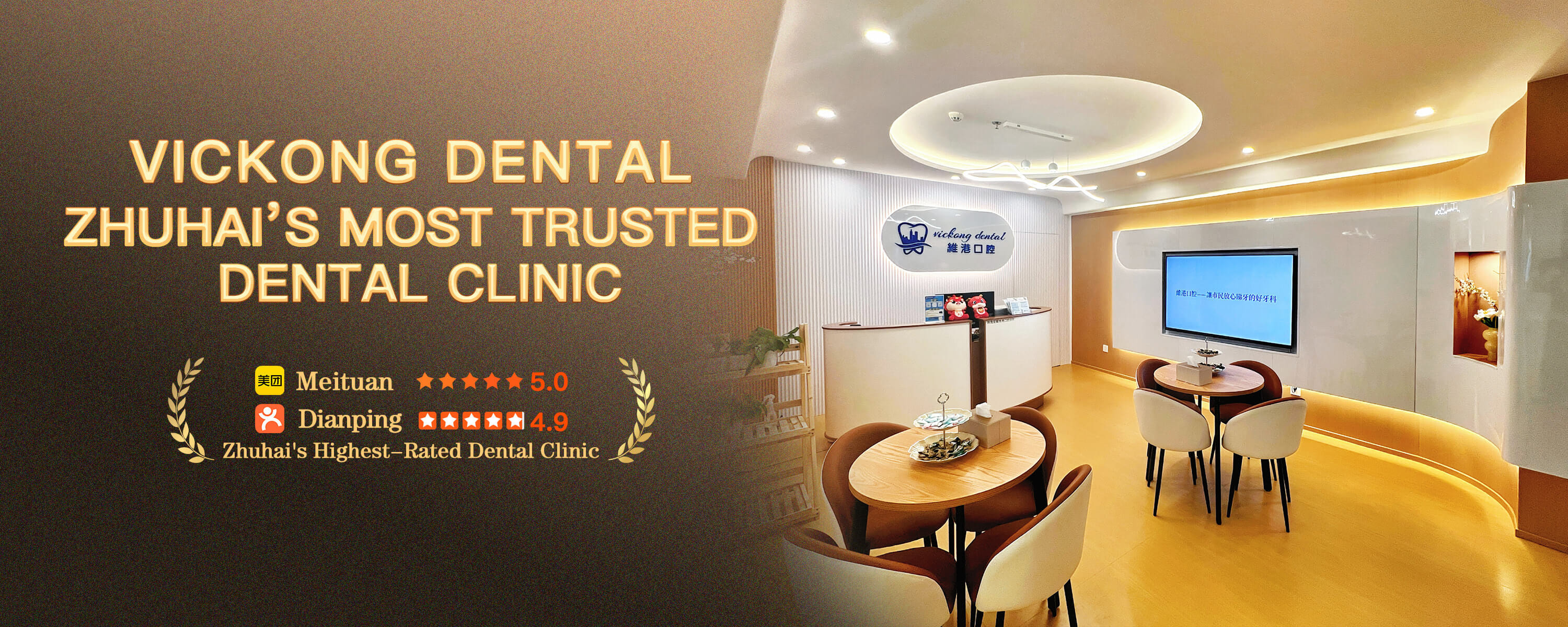
- Modern facilities: Many Shenzhen dental centers have invested in contemporary equipment—digital X-rays, intraoral cameras, ultrasonic scalers, and comfortable operator chairs—helping hygienists and dentists deliver efficient, thorough care.
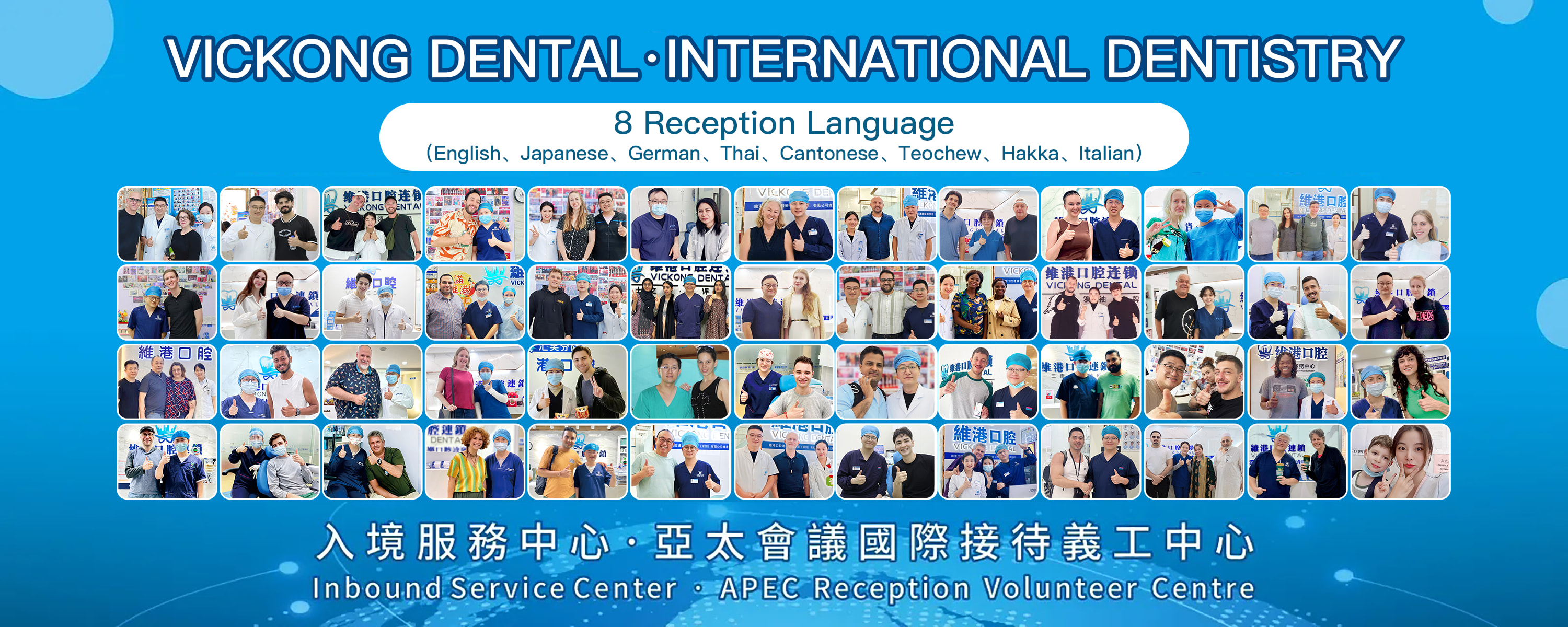
- Language support: It’s increasingly common to find clinicians who speak Cantonese, Mandarin, and English, with bilingual front desks that can confirm bookings and send reminders.
Safety, hygiene, and standards
Quality dental care depends on rigorous infection control. When you research clinics, look for:
- Clear sterilization protocols: Ask whether instruments are autoclaved, how they track cycles, and which items are single-use.
- Protective measures: Gloves, masks, eye protection, and barrier covers on equipment should be standard.
- Digital diagnostics: Digital X-rays reduce radiation and help clinicians spot tartar below the gumline, calculus on the back of lower front teeth, and early bone changes.
- Transparent documentation: Clinics that can explain their hygiene policies and show certifications tend to prioritize patient safety.
You can also check whether the clinic employs licensed dentists and hygienists, and whether they participate in ongoing training or international conferences—useful signals of professionalism.
How to choose a Shenzhen clinic for teeth cleaning
- Credentials and experience: Confirm the clinician’s qualifications and whether a registered dental hygienist or the dentist performs the cleaning.
- Reviews and word of mouth: Look for consistent feedback about gentleness, thoroughness, and punctuality rather than just décor or ambiance.
- Communication: Before you go, ask what the cleaning
includes, whether X-rays are recommended, and how long the visit will take.
- Aftercare: Good clinics provide written home-care tips, follow-up reminders, and clear guidance if you experience sensitivity.
- Payment and insurance: If you plan to use dental insurance, ask in advance whether the clinic can issue itemized receipts or claim forms.
Logistics from Hong Kong in 2026
Cross-border travel has become routine again. To keep your day smooth:
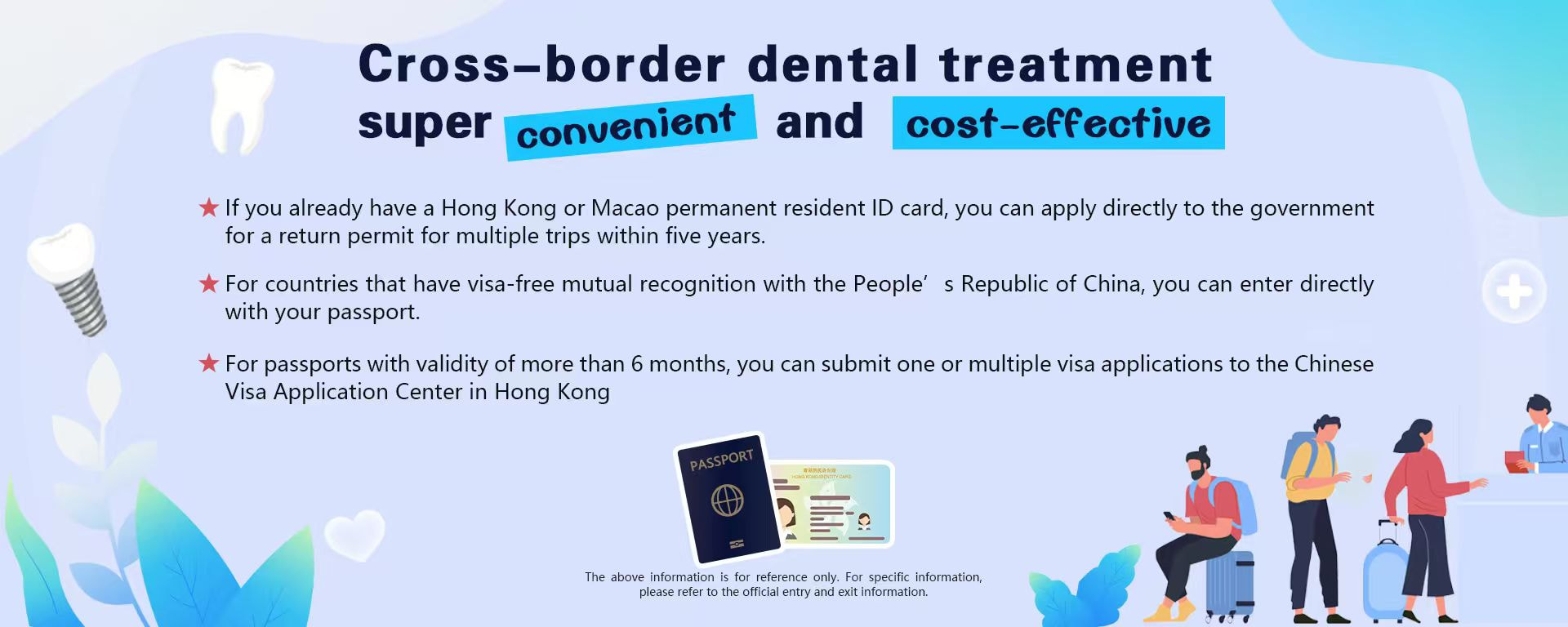
- Bring valid travel documents and any necessary health information.
- Book your time slot with buffer on both sides to allow for checkpoints and transit.
- Save the clinic’s address in Chinese and English, and pin it in your map app. Futian, Nanshan, and Luohu are popular districts for clinics with easy station access.
- Confirm the clinic’s location in relation to your arrival station so you can choose ride-hailing, metro, or a short walk.
What to expect during and after the cleaning
During the visit, you’ll recline while the clinician removes tartar with ultrasonic and hand instruments. You might hear vibrations and feel water spray; suction keeps you comfortable. Let the clinician know if you feel any sharpness so they can adjust. Sensitive spots are common around exposed roots or tight gum pockets.
Afterward, your teeth will feel smoother. Some people notice temporary sensitivity to cold for a day or two—usually manageable by avoiding ice-cold drinks and using a desensitizing toothpaste. If the clinician finds early gum inflammation, they may suggest a follow-up cleaning or deeper periodontal care. They’ll also tailor home-care advice to your mouth: brushing technique, floss or interdental brushes, and how to reach tricky areas behind lower front teeth and upper molars.
Is it worth traveling for a cleaning?
If you’re already comparing teeth cleaning options in HK, a Shenzhen appointment can make sense when you value flexible scheduling, modern equipment, and the chance to combine your visit with errands or a casual meal. The key is planning: choose a reputable clinic, book ahead, and set realistic expectations for transit. Many Hong Kong residents now see Shenzhen as a natural extension of the city’s healthcare choices—a cross-border corridor for routine dental maintenance.
Quick answers to common questions
- How often should I get a professional cleaning? For most people, every six months. If you have gum issues, your dentist may suggest every three to four months.
- Does it hurt? Cleanings are usually comfortable. You may feel pressure or vibration. Tell your clinician if you’re anxious; small adjustments make a big difference.
- Can I clean teeth during pregnancy? Many providers consider routine cleanings safe, especially in the second trimester. Always inform your dentist and follow their guidance.
- Do I need X-rays for a cleaning? Not always. Dentists recommend them based on your history, gum status, and how long it’s been since your last set.
The bottom line
Teeth cleaning is one of the simplest, most effective ways to protect your smile and gum health. In 2026, Shenzhen offers Hong Kong residents a nearby, well-equipped option for professional scaling and polishing. With thoughtful planning—checking credentials, confirming logistics, and communicating your needs—you can make your next cleaning efficient, comfortable, and right on schedule.
















