





Veneers in HK? Shenzhen Costs Less – Heres How to Save
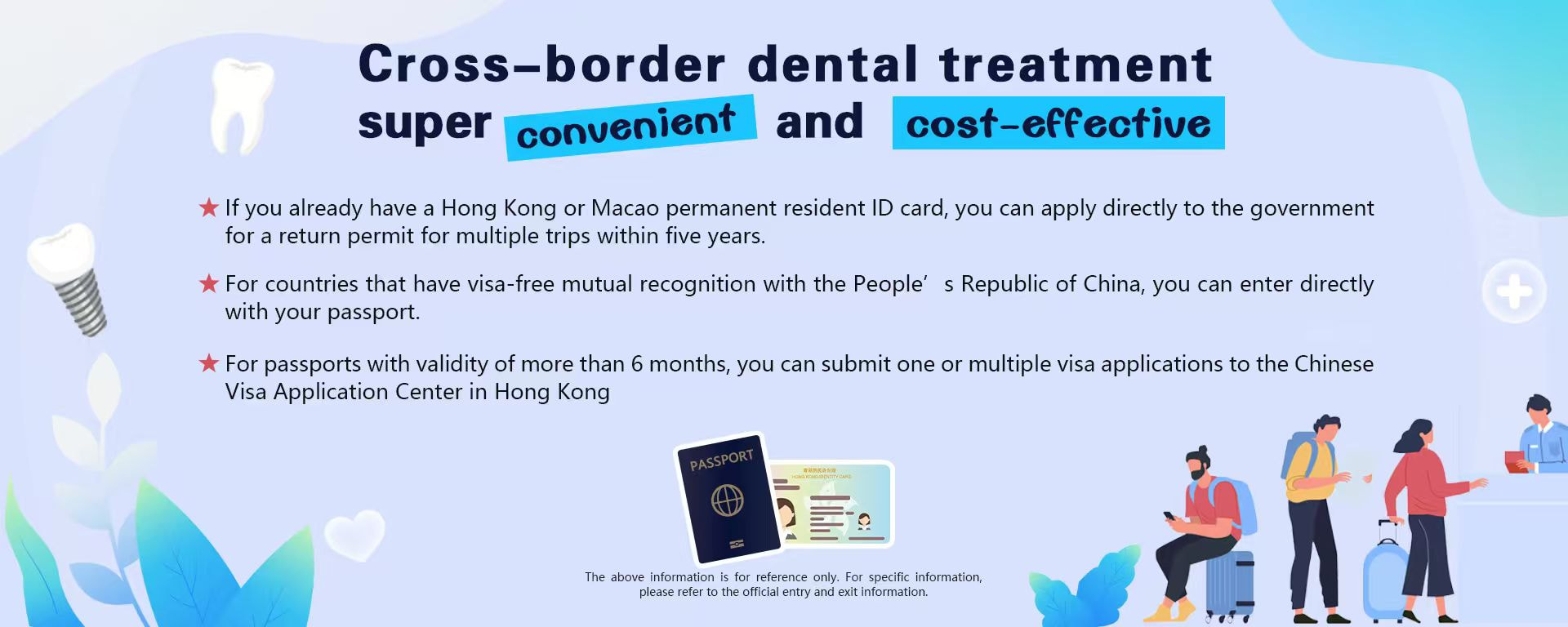
Thinking about veneers in Hong Kong but worried about the bill? You’re not alone. Many people in HK explore veneers to fix chips, gaps, discoloration, or uneven edges, only to discover that the total cost can add up quickly. That’s why more patients are looking across the border to Shenzhen, where high-quality veneers often come with a lower overall price tag. The key is to balance savings with safety and long-term results. Here’s how to do it smartly.
Why Shenzhen often costs less without cutting corners
Shenzhen’s dental market is competitive and fast-growing, with clinics investing in modern equipment and training to attract cross-border patients. Lower operating expenses and access to large dental labs can reduce costs without compromising materials or techniques. Many clinics use the same ceramics, adhesives, and CAD/CAM systems you’ll find in top HK practices.
That said, quality varies. In both cities, there are excellent clinics and those that overpromise. Your job is to separate smart savings from false economy. The best way to do that is to focus on verifiable quality markers rather than marketing claims.
How to compare clinics: Hong Kong vs Shenzhen
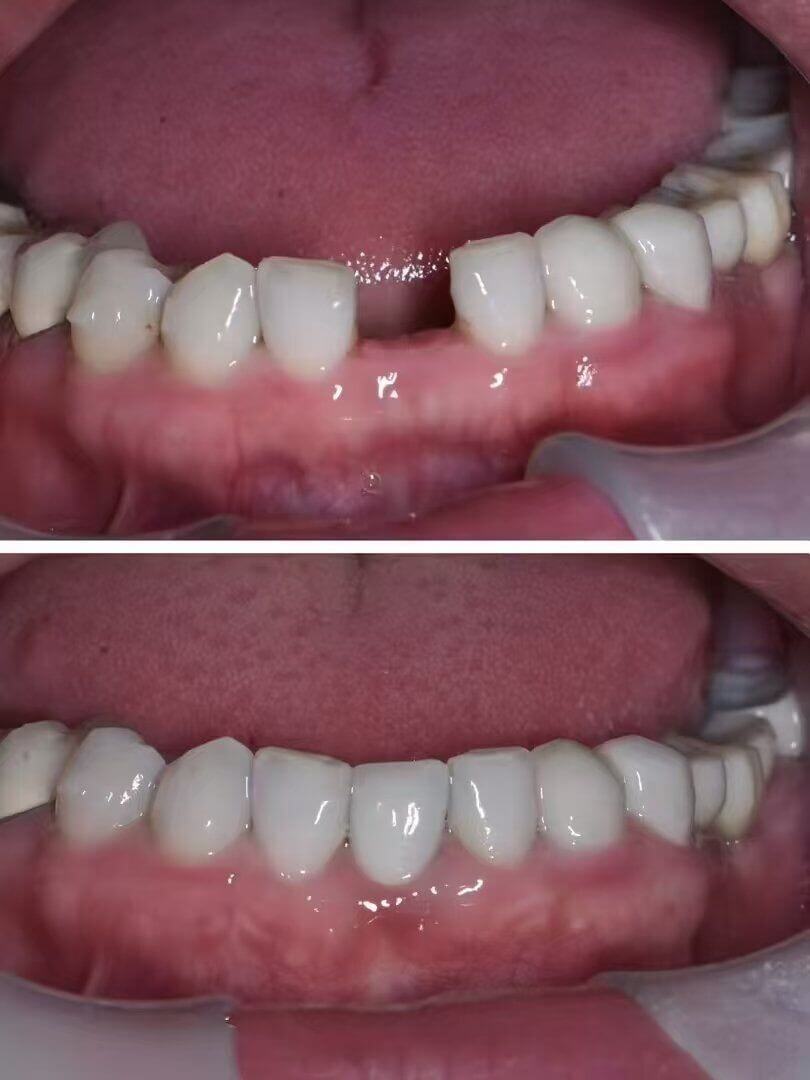
- Credentials and experience: Look for dentists who can demonstrate advanced training in cosmetic dentistry, minimally invasive techniques, and occlusion (how your bite comes together). Ask how many veneer cases they’ve completed and request recent case photos.
- Case planning: A trustworthy clinic conducts a thorough exam, including x-rays when appropriate, gum health assessment, and bite analysis. They should discuss whether veneers, whitening, orthodontics, or a combo makes sense for your goals.
- Materials and lab: Porcelain veneers (such as lithium disilicate) are known for lifelike translucency and durability, while composite veneers are more budget-friendly but may need more upkeep. Ask which materials they use and whether they partner with reputable dental labs. Consistency matters more than fancy brand names.
- Design tools: Digital smile design, mock-ups, and trial smiles can help you preview results before committing. Even a simple wax-up can improve predictability and reduce chair-time surprises.
- Prep philosophy: Prioritize clinics that aim for minimal tooth reduction and protect enamel whenever possible. Over-prepping teeth can lead to long-term sensitivity or other issues.
- Follow-up support: Veneers aren’t “fit and forget.” Good clinics schedule follow-ups, provide a warranty policy, and guide you on maintenance. Clarify how future adjustments or repairs are handled if you live in HK.
How to save money safely
- Get multiple opinions: Schedule consultations with at least two clinics—one in HK and one in Shenzhen. You’ll learn how each proposes to achieve your goals and what’s included in their fee structure, helping you avoid hidden costs.
- Bundle treatments: If you need whitening, gum contouring, or a night guard, ask about package rates. Coordinated care can be more cost-efficient and time-saving.
- Plan your visits: Veneer journeys usually involve multiple appointments—consultation, preparation with temporary veneers, and final placement. Organize your schedule to minimize last-minute cross-border trips and extra days off.
- Choose durability over the cheapest option: High-quality veneers, properly bonded and aligned with your bite, can last longer and reduce future costs. Skimping now can mean repairs later.
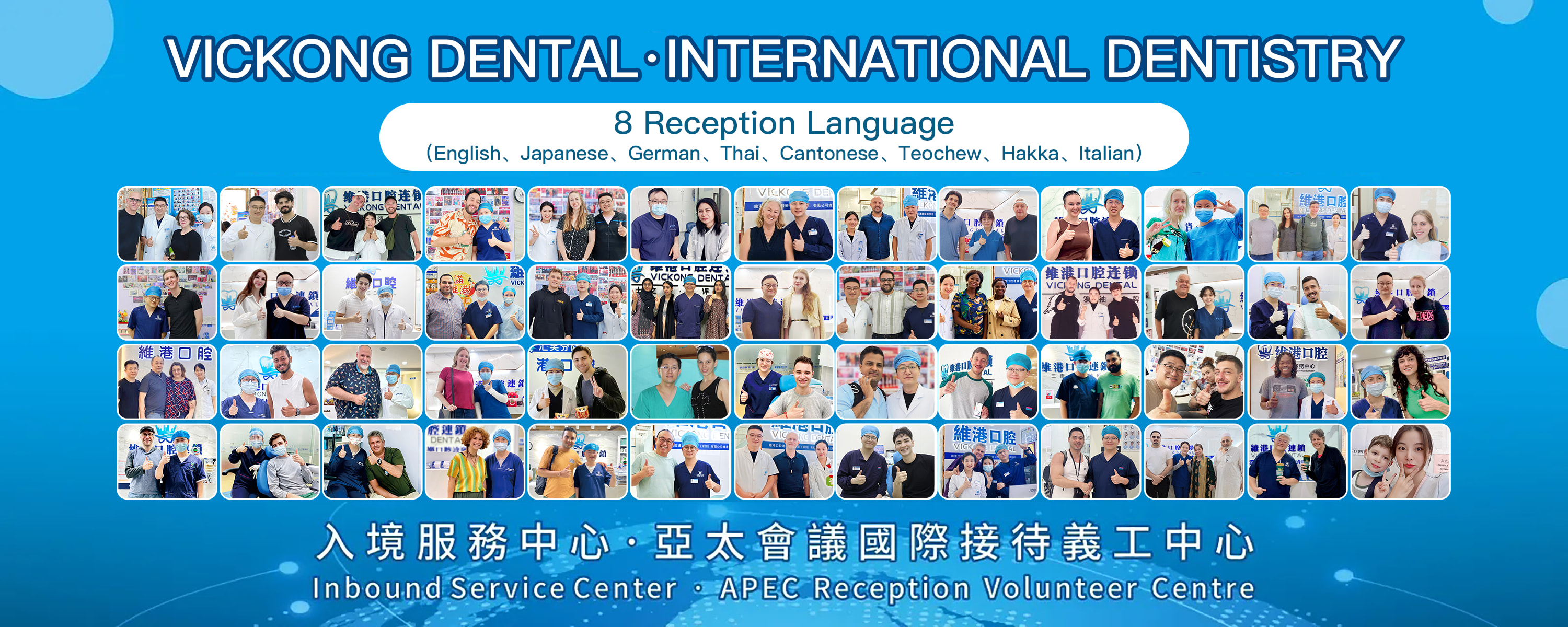
- Use clear communication: If English, Cantonese, or Mandarin isn’t your dentist’s first language (or yours), ask for bilingual staff or written summaries of the plan. Miscommun
ication can lead to remakes or extra visits.
Border and logistics tips for HK–Shenzhen patients
- Travel time: Account for border queues, especially at peak hours. Try to book mid-day or weekday slots when clinics are less busy and travel is smoother.
- Location matters: Choose a clinic near a transport hub to reduce commute stress, especially for follow-ups.
- Payment and paperwork: Ask in advance which payment methods are accepted and whether you’ll receive itemized treatment notes. Keep records for future reference, especially if you switch providers later.
- Comfort and recovery: After preparation, your teeth may feel sensitive under temporary veneers. Plan soft meals and avoid extreme temperatures for a few days.
Are veneers right for you?
Veneers can be a great option for stubborn discoloration, chips, minor misalignment, worn edges, or gaps. They can quickly change shape and shade with impressive aesthetics. However, they’re not ideal for every case. If your bite is unstable, gums are inflamed, or you grind your teeth heavily, you may need pre-treatment (orthodontics, bite adjustment, gum therapy) or a custom night guard to protect your investment. A thorough exam will help determine candidacy.
Red flags to avoid
- One-visit “instant fixes” without proper planning or temporary try-ins
- Aggressive tooth reduction with no discussion of risks
- No x-rays or gum assessment before prep
- No trial smile, shade check, or bite evaluation
- Vague warranties, cash-only policies, or rushed consent
- Pressure to upgrade materials you don’t need without clear benefits
A sample veneer timeline
Every clinic works differently, but a safe, predictable pathway often includes:
- Initial consult: Photos, x-rays if needed, gum and bite assessment, discussion of goals
- Smile design: Mock-up or digital plan, shade selection, explanation of prep approach
- Preparation: Minimal reduction if required, impressions or scans, temporary veneers placed
- Try-in: Final veneers are tried in for fit, color, and bite; adjustments made before bonding
- Bonding and polish: Veneers are cemented, margins refined, and bite fine-tuned
- Follow-up: A short review visit to ensure comfort and function, plus a maintenance plan
Aftercare: Protect your smile and your budget
- Night guard: If you clench or grind, wear a custom guard to prevent chipping.
- Hygiene: Brush and floss daily; schedule regular cleanings. Veneer edges and gums need attention to avoid inflammation.
- Diet habits: Avoid biting hard objects like ice or shells. Use scissors for packaging rather than your teeth.
- Shade strategy: If you’re keeping some natural teeth, consider whitening before veneer shade selection. Matching is easier that way.
- Maintenance mindset: Veneers are stain-resistant, not stain-proof. Coffee and red wine can affect the surrounding teeth and margins; mindful habits keep the smile uniform.
HK vs Shenzhen: How to choose
If you value proximity, ongoing care with a long-term dentist, and minimal cross-border travel, HK clinics offer convenience. If you’re comfortable planning a few trips and want to stretch your budget, Shenzhen can be a smart move—provided you vet credentials, understand the plan, and secure clear aftercare.
Bottom line
Shenzhen often makes veneers more affordable for HK residents, but the best savings come from doing your homework: compare clinics, prioritize conservative techniques and reputable labs, clarify follow-ups, and plan your schedule. Choose the dentist who listens, shows evidence, and designs a smile that fits your face, your bite, and your lifestyle. That’s how you save upfront—and still love your veneers years down the road.
















