




Dental Care in Shenzhen: Is It Worth the Trip from HK? (2026)
If you live in Hong Kong and your calendar is buzzing with work, family, and everything in between, squeezing in dental care can feel like another chore. That’s why more residents are looking north and asking: Is dental care in Shenzhen worth the trip? In 2026, with smoother cross-border transport and a growing network of modern clinics, the answer isn’t a simple yes or no—it depends on your needs, schedule, and comfort level. Here’s a practical guide to help you decide.
Why people consider Shenzhen for dental care
Shenzhen has become a major healthcare hub in the Greater Bay Area. Many clinics are new, tech-forward, and used to serving cross-border patients. People often look to Shenzhen for:
- Shorter wait times, especially for specialist appointments
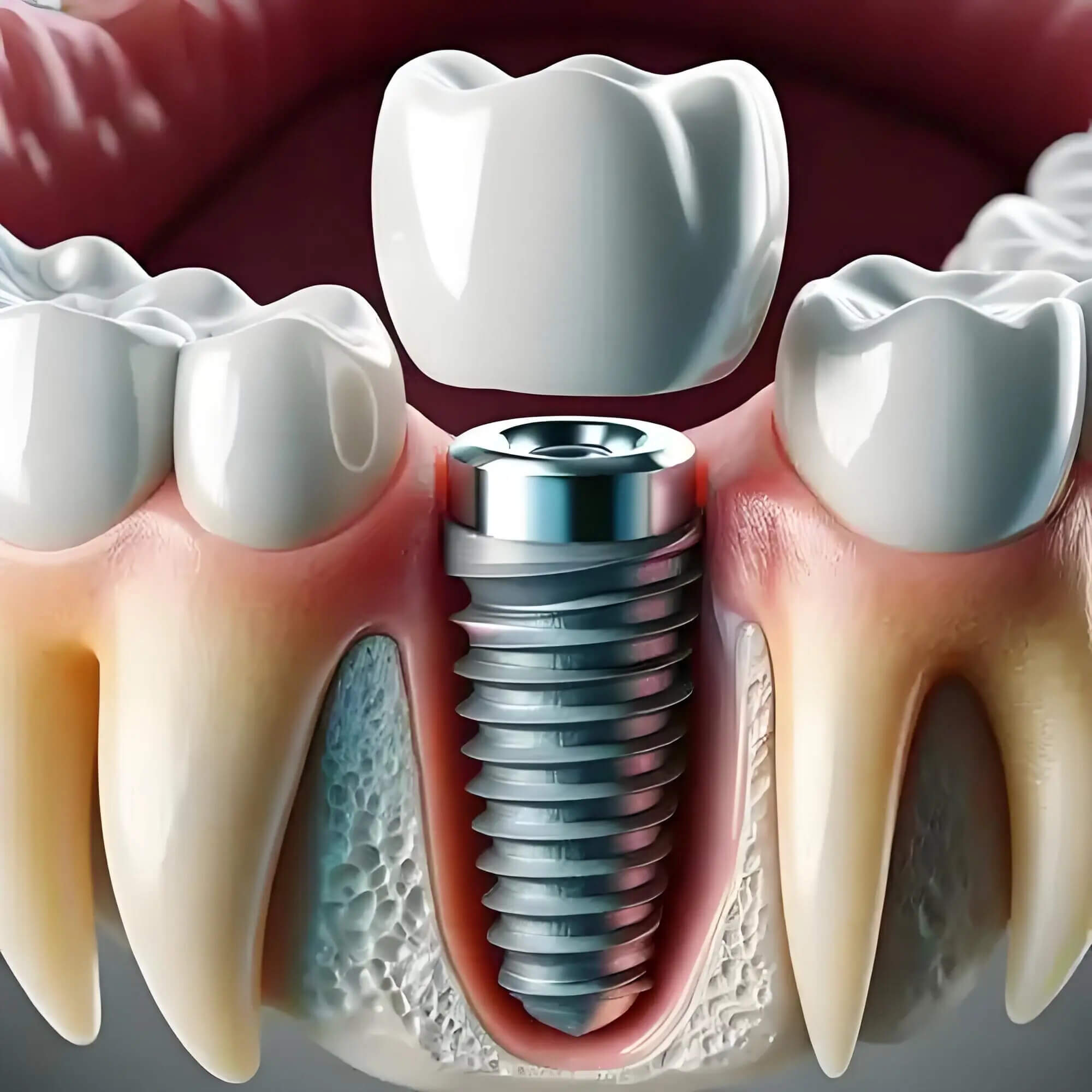
- A broad range of treatments under one roof (checkups, cleanings, whitening, fillings, root canals, crowns, implants, braces, aligners, periodontal care, pediatric dentistry)
- Flexible hours and efficient scheduling, including weekend or evening slots
- English-speaking or bilingual dentists in areas with international communities like Futian and Nanshan (Shekou)
Quality and safety: what to expect
Most private dental clinics in Shenzhen aim to match international standards. You’ll see digital X-rays, intraoral scanners, and sterilization practices that are easy to observe—sealed instrument packs, chairside hygiene protocols, and clear infection control signage. As with any city, quality varies, so do a bit of due diligence:
- Verify licensing: Legitimate clinics display practice licenses and dentist registrations.
- Ask about sterilization: Class B autoclaves, single-use items, and documented protocols are good signs.
- Check dentist credentials: Look for postgraduate training, specialist qualifications, and evidence of continuing education.
- Look for transparent treatment planning: Expect a thorough exam, imaging as needed, and a written plan outlining steps and timelines—not just a quick fix.
Travel logistics from Hong Kong
Shenzhen is closer than many people think. Depending on where you live and which clinic you choose, door-to-door can be about one to two hours. Common routes include:
- MTR/rail to Lo Wu/Luohu or Lok Ma Chau/Futian, then a short metro or ride-hailing trip
- High-speed rail to Futian or Shenzhen North, with connections on the metro
- Ferries or cross-border buses, though trains are usually the most predictable
Tips for a smoother trip:
- Book morning appointments to avoid peak immigration times.
- Factor in buffer time for border queues and clinic check-in.
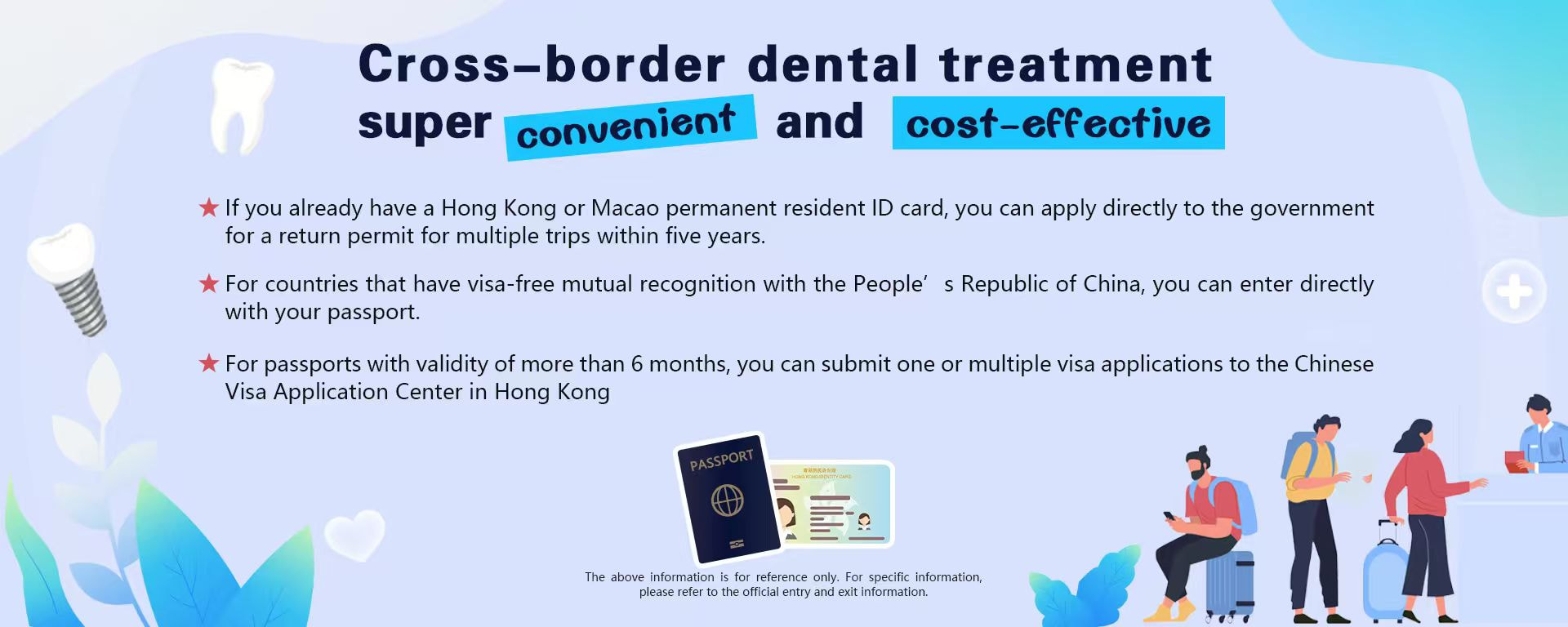
- Bring required travel documents (Home Return Permit, visa, or other valid entry documents as applicable) and check the latest entry rules before you go.
- Save clinic contact details and location pins; many clinics share precise directions via WeChat or WhatsApp.
Language and communication
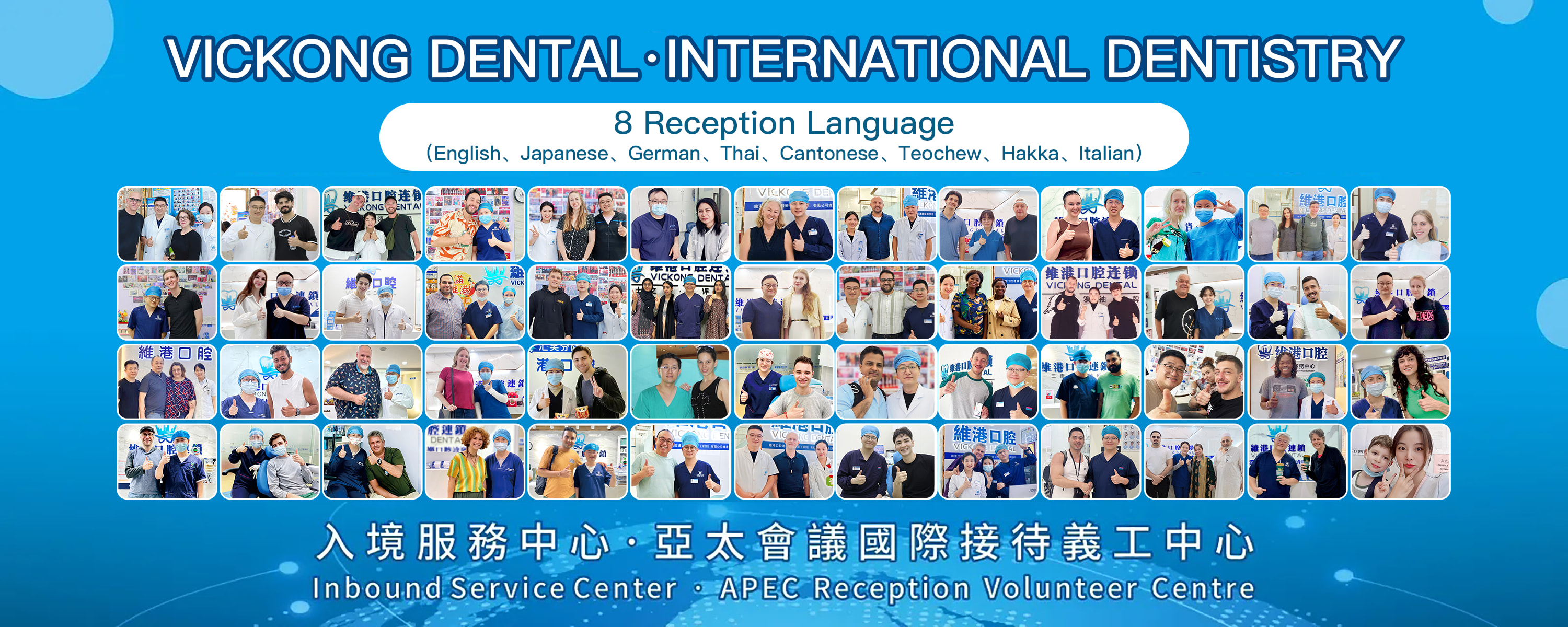
A growing number of Shenzhen dentists are comfortable in English, particularly in expat-friendly neighborhoods and private clinics. If you prefer bilingual support:
- Ask upfront for an English-speaking dentist or coordinator.
- Request treatment plans and post-care instructions in English.
- Confirm how the clinic handles follow-up communication—many offer video calls, messaging, or email for progress checks.
Insurance and payment
Cross-border insurance can be tricky. Some international and Hong Kong plans will reimburse out-of-territory dental care; others will not. Before you book:
- Call your insurer to confirm coverage, required documentation, and reimbursement caps.
- Request itemized receipts, diagnosis/treatment descriptio
ns, and the clinic’s official stamp for claims.
- Check payment methods. Many clinics accept cards and mobile wallets, but verify in advance if you rely on a specific method.
Which treatments make sense across the border?
Dental care is rarely one-and-done. Consider the number of visits, follow-up needs, and your ability to cross the border for reviews:
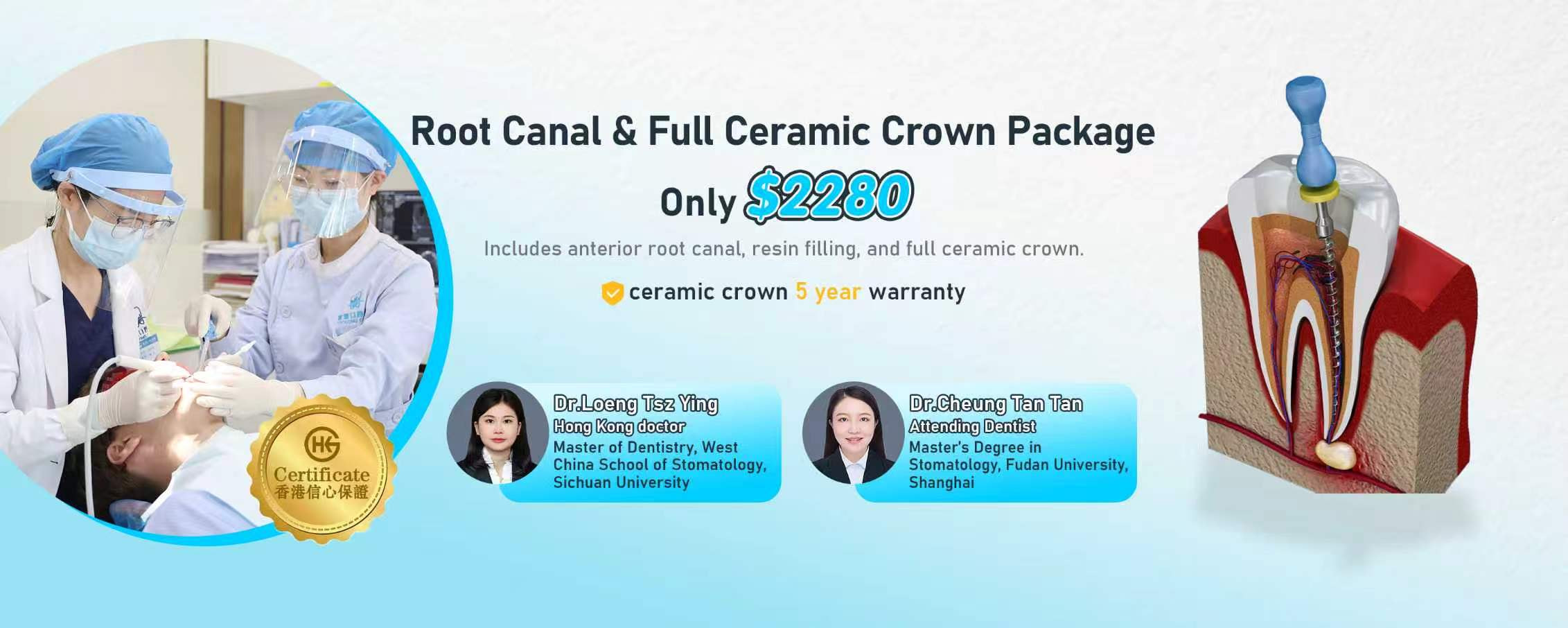
- Good cross-border candidates: routine checkups and cleanings, whitening, simple fillings, single-visit crowns (if the clinic uses in-house milling), straightforward root canals, and consults for orthodontics or implants.
- Consider carefully: braces, aligners, and implant protocols involve multiple visits over months. They’re feasible if you’re comfortable making repeated trips or if you spend time in both cities.
- Emergency care: If you have pain or a chipped tooth, Shenzhen clinics can often see you quickly, but ensure you’ll have access to follow-ups back in Hong Kong or plan a return visit.
Pros and cons at a glance
Pros:
- Modern clinics with advanced equipment and efficient workflows
- Flexible scheduling and potential for shorter waits
- Bilingual staff in many private practices
- Convenient access for those near the border or using high-speed rail
- Wide range of treatments, from hygiene to advanced prosthetics
Cons:
- Travel time and border formalities add complexity
- Follow-up appointments require repeat trips
- Differences in administrative processes and documentation
- Potential communication gaps if language support is limited
- Managing aftercare when you’re back in Hong Kong requires planning
How to choose a Shenzhen dentist
Finding the right clinic is half the battle. Focus on:
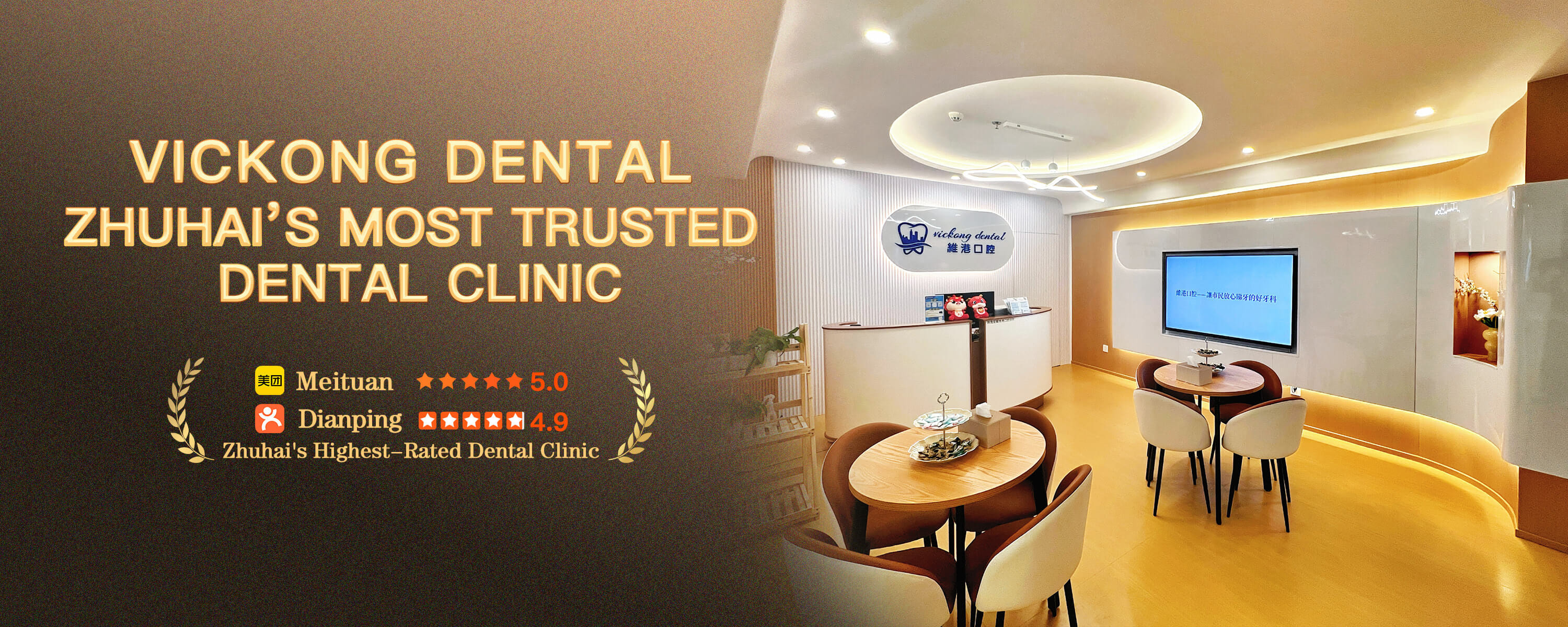
- Reputation: Look for consistent, detailed reviews that mention cleanliness, communication, and aftercare.
- Transparency: Clinics that explain options, risks, and timelines build trust.
- Technology and scope: If you need implants, orthodontics, or complex rehabilitation, choose a clinic with on-site imaging and specialist support.
- Aftercare plan: Clarify how issues are handled, how quickly you can be seen for adjustments, and whether the clinic coordinates with Hong Kong dentists if needed.
- Location: Futian, Luohu, and Nanshan are well-connected and popular with cross-border patients.
Making the most of a Shenzhen dental visit
- Combine your appointment with a day in the city—plan a meal or a short errand nearby to make the trip feel worthwhile.
- Keep your dental records handy. If you’ve had prior treatment in Hong Kong, bring X-rays or notes to avoid repeating scans unnecessarily.
- Protect your schedule. Book successive visits (for multi-stage treatments) before you leave the clinic.
- Mind post-procedure care. For extractions, implants, or root canals, avoid heavy exercise or hot foods right after and follow the clinic’s instructions closely.
So, is it worth the trip?
For many Hong Kong residents, dental care in Shenzhen is worth considering—especially if you value flexible scheduling, modern facilities, and a wide selection of treatment options. It’s particularly appealing for routine care, fast diagnostics, and treatments that can be completed in one or two visits. If your plan involves long-term orthodontics or staged implant work, it can still make sense as long as you’re comfortable with cross-border follow-ups and clear on aftercare.
The bottom line: Shenzhen offers a strong dental ecosystem that’s increasingly friendly to cross-border patients. With a bit of planning—choosing the right clinic, confirming documentation, and building in travel time—you can turn a dental errand into a seamless, even satisfying, part of your health routine in 2026.
















