




Dental Implants in Shenzhen: A Beginners Guide
Considering dental implants in Shenzhen? You’re not alone. Whether you live in the city or are traveling in from nearby Hong Kong or elsewhere in China, Shenzhen has become a popular destination for modern, high-quality dental care. With its tech-forward clinics, bilingual staff, and efficient systems, the city offers a compelling blend of advanced treatment and convenience. This beginner’s guide walks you through what implants are, how the process works, how to choose a clinic, and what to expect before, during, and after your procedure.
What a Dental Implant Is (and Why People Choose It)
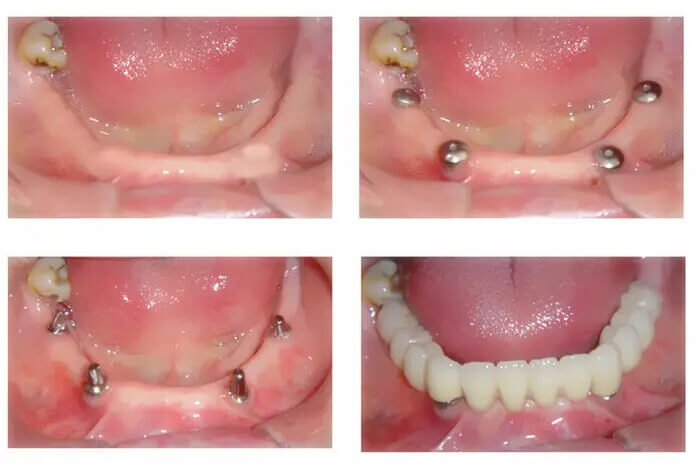
A dental implant is a small titanium post placed in your jawbone to act as a replacement root for a missing tooth. After it integrates with the bone, a connector (called an abutment) is attached, and a crown is placed on top to restore your smile and bite. Implants are popular because they look and feel natural, protect neighboring teeth (no need to grind down adjacent teeth like with a bridge), and help maintain jawbone health by providing stimulation. Many people also find them more comfortable and stable than removable dentures.
Who Makes a Good Candidate
Most healthy adults are potential candidates for dental implants, but your dentist will assess:
- Overall oral health, including gum condition and existing decay.
- Bone density and volume in the jaw (assessed with digital X-rays or 3D scans).
- Lifestyle factors like smoking, which can affect healing.
- Medical history, including diabetes or medications that influence bone healing.
If bone volume is insufficient, treatments like bone grafting or sinus lifts may be recommended to support the implant. Your dentist will explain if these are necessary.
The Implant Journey: Step by Step
While every plan is tailored, a typical sequence looks like this:
1) Consultation and imaging: Your dentist evaluates your mouth, takes a 3D CBCT scan, and explains options, risks, and timelines. You’ll discuss the number of implants, materials, and whether additional procedures are needed.
2) Treatment planning: You’ll receive a customized plan. This includes a clear timeline, describing stages like extraction (if required), implant placement, and crown fitting.
3) Implant placement: The implant is surgically placed in the jaw. Many clinics in Shenzhen use guided surgery for precision, minimizing trauma and improving comfort.
4) Healing and integration: Over several weeks to a few months, the implant fuses with the bone (a process called osseointegration). During this time, you might wear a temporary tooth for aesthetics.
5) Abutment and crown: Once integration is confirmed, the abutment and the permanent crown are attached. Your dentist will fine-tune the bite and appearance.
6) Follow-up and maintenance: Regular check-ins ensure the implant stays healthy, and routine cleaning keeps everything in top shape.
The entire process often spans a few months, depending on healing and whether additional procedures are needed.
Choosing a Shenzhen Clinic
Shenzhen’s dental scene is diverse, spanning boutique practices in areas like Nanshan and Futian to larger clinics across the city. Consider:
- Credentials and experience: Ask about your dentist’s training and the number of implant cases performed.
- Imaging and technology: Clinics offering CBCT 3D imaging and guided surgery can provide precise planning.
- Implant systems: Reputable, well-established implant brands (approved for use in China) ensure compatibility and long-term serviceability.
- Sterilization and safety: Ask about sterilization protocols and infection control measures.
- Communication: Bilingual staff and clear explanations matter, especially for consent and aftercare instruct
ions.
- Aftercare and warranty: Understand follow-up schedules, what happens if complications arise, and policies for repairs or adjustments.
- Transparent planning: You should receive a written treatment plan outlining stages, timelines, and what’s included.
What Surgery Day Feels Like
Implant placement typically happens under local anesthesia. Many patients describe it as pressure rather than pain. Some clinics offer sedation options for those who feel anxious. After surgery, mild swelling or discomfort for a few days is common and usually manageable with prescribed medication and cold compresses. Your dentist will provide instructions for eating, cleaning, and protecting the surgical site.
Recovery and Aftercare Tips
Healing well is a team effort. Expect to:
- Keep the area clean: Gentle brushing and antiseptic rinses (as advised) help prevent infection.
- Adjust your diet temporarily: Softer foods in the first few days reduce strain on the site.
- Avoid smoking and excessive alcohol: Both can hinder healing and increase risk of implant failure.
- Follow scheduled visits: Your dentist will monitor integration and troubleshoot early.
- Maintain lifelong hygiene: Implants don’t decay, but gums and surrounding tissues can still get inflamed. Professional cleanings and daily home care are essential.
Understanding Cost Factors (Without Specific Numbers)
While we’re not discussing specific prices, it helps to know what influences the overall cost:
- Number of implants and whether a single crown, bridge, or full-arch solution is needed.
- Additional procedures like extractions, bone grafts, or sinus lifts.
- Crown materials and lab work quality.
- Clinic setting, technology, and the surgeon’s expertise.
- Sedation or special anesthesia requests.
Ask for an itemized treatment plan so you understand what each stage entails.
Insurance and Payments
Coverage for dental implants varies. Public medical insurance in China usually does not cover implants; however, some private or international health plans may offer partial reimbursement. If you have insurance, clarify pre-authorization requirements and obtain detailed invoices and official receipts to support claims.
Language and Logistics
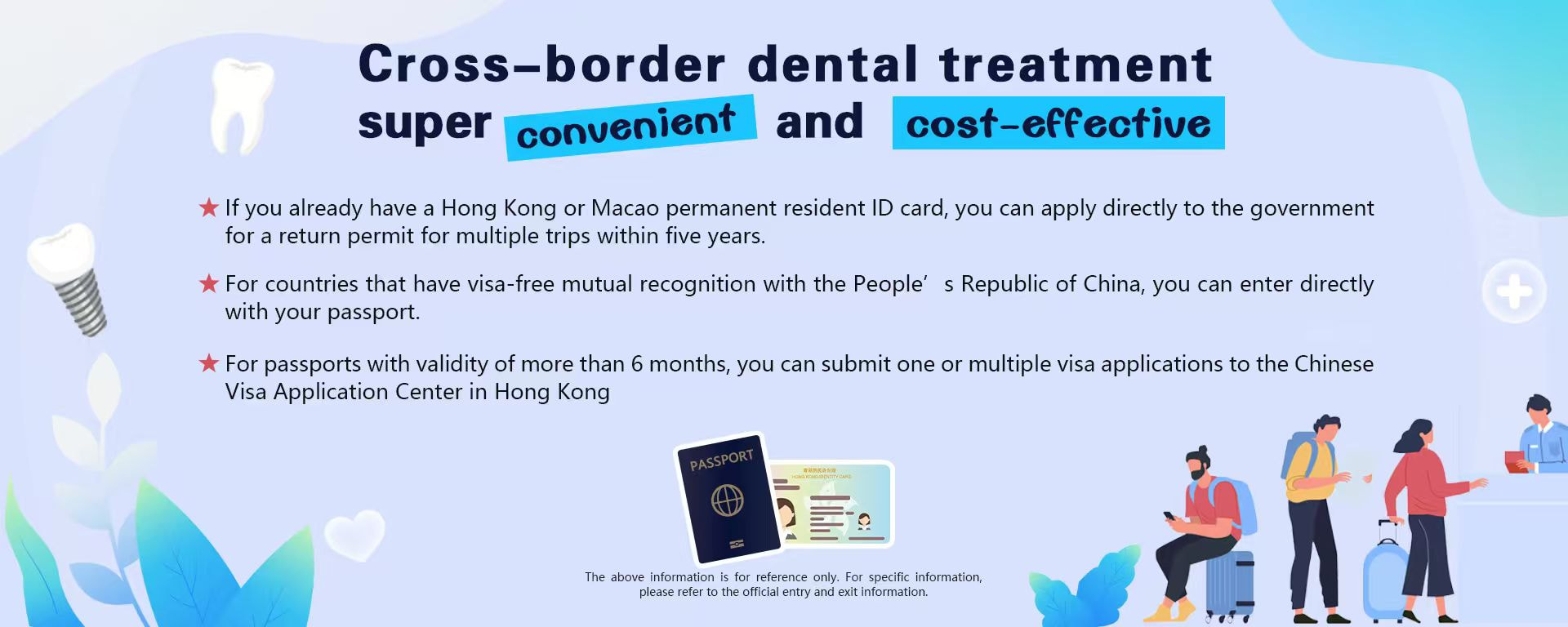
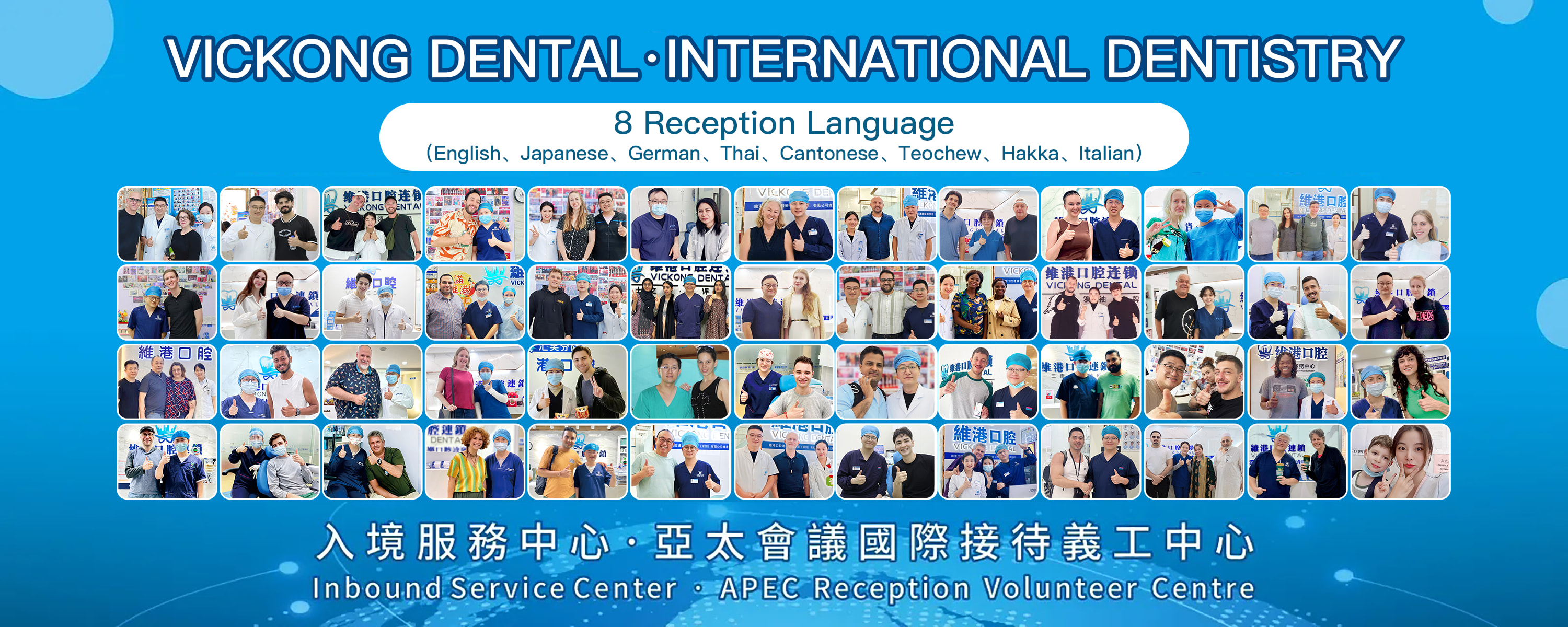
Shenzhen is highly international, and many clinics have English-speaking teams. Still, confirm communication preferences in advance. If you’re traveling from outside the city:
- Plan your visits around healing times—some stages require a few weeks between appointments.
- Keep a consistent schedule for follow-ups; continuity matters for best outcomes.
- Bring identification and any prior dental records or scans.
- If you’re crossing a border, factor in travel time and potential scheduling constraints.
Common Red Flags to Avoid
- Clinics that skip 3D imaging but promise quick fixes.
- Rushed consultations with little time for questions.
- Deals that seem too good to be true without clear explanations of brands, materials, or aftercare.
- No written plan or unclear follow-up arrangements.
Alternatives to Consider
Implants are a great solution, but they’re not the only option. Bridges and removable dentures can be suitable in certain cases, especially if budget, health, or timelines are a concern. A thorough consultation will help weigh the pros and cons based on your situation.
Final Thoughts
Dental implants can be life-changing—improving confidence, chewing function, and oral health. Shenzhen offers a strong combination of advanced technology, skilled professionals, and patient-friendly care. Take the time to choose a clinic that communicates openly, plans carefully, and prioritizes your long-term health. With the right preparation and a trusted team, your implant journey in Shenzhen can be smooth, predictable, and rewarding.
















