




Teeth Whitening Costs: Shenzhen vs Hong Kong Compared
If brighter teeth are on your wish list, chances are you’ve looked across the border and wondered whether Shenzhen or Hong Kong offers the better deal. While you won’t find identical treatment menus or billing styles, you will notice clear patterns in how costs are shaped on each side. Instead of getting hung up on a number, it’s wiser to understand the factors behind pricing, the practical differences in care, and how those align with your expectations for results, convenience, and ongoing maintenance.
What really drives the cost of whitening across both cities? First, the treatment method matters. In-office light-accelerated whitening (often marketed as laser or LED) generally sits at the higher end because it includes chair time, advanced devices, and stronger gels. Chemical-only in-office whitening can be gentler and sometimes shorter, while take-home trays customized by a dentist usually fall into a different price category due to lab work and multiple check-ins. Combination plans—one office session plus trays for maintenance—can offer good value by maximizing the initial lift and keeping the shade stable afterward.
Second, the brand and consumables count. Clinics using well-known whitening systems tend to charge more due to licensing and material costs. That said, brand familiarity can provide reassurance about safety standards and predictable outcomes. Third, the dentist’s experience and the clinic’s accreditation play a role. Providers who invest in continuous training, strict sterilization protocols, and quality control often set fees that reflect that added assurance. Fourth, case complexity affects what you pay and how many sessions you need. Deep, intrinsic discoloration, tetracycline stains, or uneven shades from prior dental work require tailored plans and may involve more chair time or adjunct treatments.
In Shenzhen, you’ll find a competitive marketplace with modern clinics clustered around areas like Futian, Nanshan, and Luohu. Lower overhead relative to Hong Kong often translates to more accessible pricing, especially for standard in-office whitening or package deals that include a consultation, shade assessment, desensitizing gels, and a follow-up check. Many clinics target the cross-border crowd, offering bilingual staff and flexible scheduling, and some provide seasonal promotions. Availability is typically good, and same-day appointments can be easier to secure. The flip side is variability: the range of standards is wide, so it pays to vet clinics by checking dentist credentials, infection control practices, and real patient results. Travel time and border formalities are also practical considerations; if your touch-up schedule is frequent, think about whether repeated trips fit your routine.
Hong Kong generally leans toward a premium positioning. Higher property and staff costs, coupled with strong regulatory oversight, push fees upward. Clinics in Central, Tsim Sha Tsui, and Causeway Bay often feature brand-name whitening systems, meticulous workflow, and streamlined appointments aimed at time-pressed professionals. You’ll likely encounter detailed pre-treatment assessments, clear informed consent processes, and robust aftercare guidance. Transparency in what’s included is common, which helps you compare apples to apples. Local insurance typically treats whitening as elective, so claims are rare; however, the city’s emphasis on documentation and safety can be
reassuring if you prefer a tightly controlled clinical environment and quick, predictable visits close to work.
When comparing value rather than price tags, think beyond the first session. Whitening isn’t a one-off achievement; it’s a shade journey that needs maintenance. Coffee, tea, red wine, and smoking will pull your color back down. Budget for follow-up polishing, touch-up gels, or new trays over time. Sensitivity management matters, too. If you’re prone to zingers, look for plans that incorporate fluoride or potassium nitrate, spaced sessions, and custom-fit trays that minimize gum exposure. Ask whether desensitizing products are included or sold separately, and how the clinic handles mid-course adjustments if your teeth respond differently than expected.
Convenience is another cost in disguise. In Shenzhen, longer clinic hours and promotional bundles might suit those who have flexible schedules or plan to combine whitening with other dental work. In Hong Kong, proximity and reliable transit reduce friction for quick lunchtime appointments or after-work visits. If your calendar is tight, that convenience can outweigh a higher fee, especially for single-session office whitening that delivers a noticeable lift in one go. Conversely, if you value repeated touch-ups or a multi-visit plan, Shenzhen’s broader range of packages could optimize your total outlay over several months.
Quality signals to weigh in both cities include the initial shade mapping, before-and-after photos taken in consistent lighting, a discussion of realistic outcomes for your specific stain type, and a clear explanation of what’s not covered. Ask whether the clinic provides a written treatment summary, how many sessions are anticipated, and what happens if you need an additional pass. For take-home trays, ensure the fit is snug, edges are trimmed properly, and instructions cover wear time, gel amount, and cleanup. Small details—like supplying a shade guide for home tracking—can elevate your experience and keep expectations aligned.
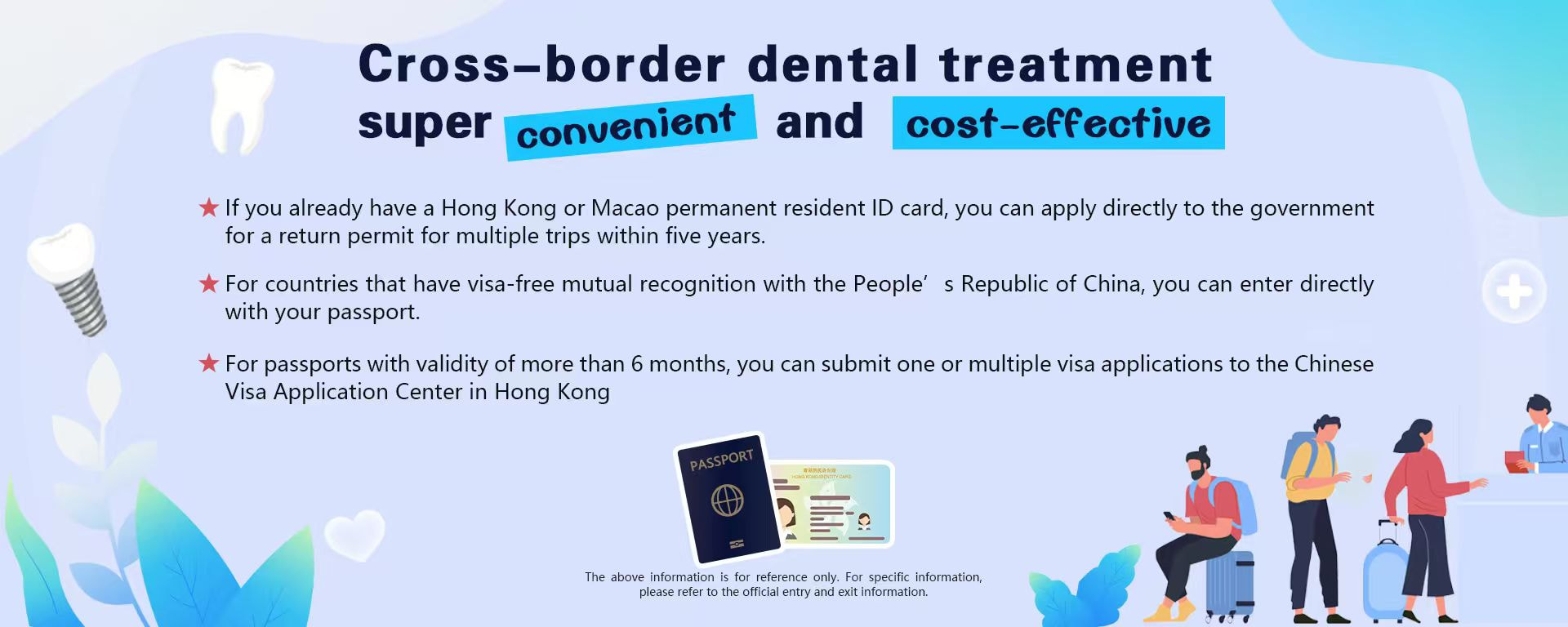
A simple way to decide is to match your priorities with the typical strengths of each location. Shenzhen often suits budget-conscious patients who want a comprehensive package with room for touch-ups and don’t mind cross-border travel. Hong Kong often suits those who prioritize brand assurance, tight scheduling, and documented protocols in a setting near the office. Neither choice is inherently better; it’s about optimizing value for your lifestyle, stain profile, and sensitivity level.
Before booking, shortlist two to three clinics in the city you prefer and compare what’s included: consultation depth, number of sessions, desensitizing support, follow-ups, and any retreatment policy. Read recent reviews that mention whitening specifically, not just general dentistry. If possible, schedule an initial exam to rule out cavities or gum issues, because whitening on compromised enamel can backfire. Remember that maintenance—like limiting staining foods for 48 hours post-whitening, using a non-abrasive toothpaste, and wearing trays for brief touch-ups every few months—will protect your investment regardless of where you start.
The bottom line: costs differ between Shenzhen and Hong Kong due to overhead, brand choices, and care models, but the best value comes from a plan that suits your teeth and your calendar. Focus on clinical quality, transparency, and long-term upkeep, and you’ll be far happier with your shade—and your spend—over time.
















