




Dental Implants in HK? Give Shenzhen a Try in 2026
Considering dental implants in Hong Kong but feeling stuck on wait times or limited appointment slots? In 2026, Shenzhen stands out as a practical, high-quality alternative just across the border. With modern clinics, internationally trained dentists, and convenient transport links, the city has quietly become a go-to destination for implant care for Hong Kong residents and expats alike.
Why look across the border in 2026
Over the past few years, Shenzhen’s healthcare scene has evolved fast. Many dental centers now offer comprehensive implant services under one roof, including digital diagnostics, guided surgery, and prosthetic design. Travel has stayed straightforward, too: a short MTR ride or high-speed rail hop gets you into the city in under an hour from central Hong Kong, depending on your route and border crossing. Appointment availability is often flexible, with evening or weekend options that make it easier to fit treatment around work and family commitments.
Quality and safety come first
Implants are a long-term investment in your health, so standards matter. In Shenzhen, well-established clinics typically use digital cone beam CT (CBCT) scans, intraoral scanners, and surgical guides to plan and place implants with precision. Sterilization protocols, traceable implant components from recognized manufacturers, and documented consent processes are standard in reputable practices. Many clinicians have additional training in implantology, periodontics, or prosthodontics, and you can usually review their credentials and case portfolios before moving forward.
What the implant journey looks like
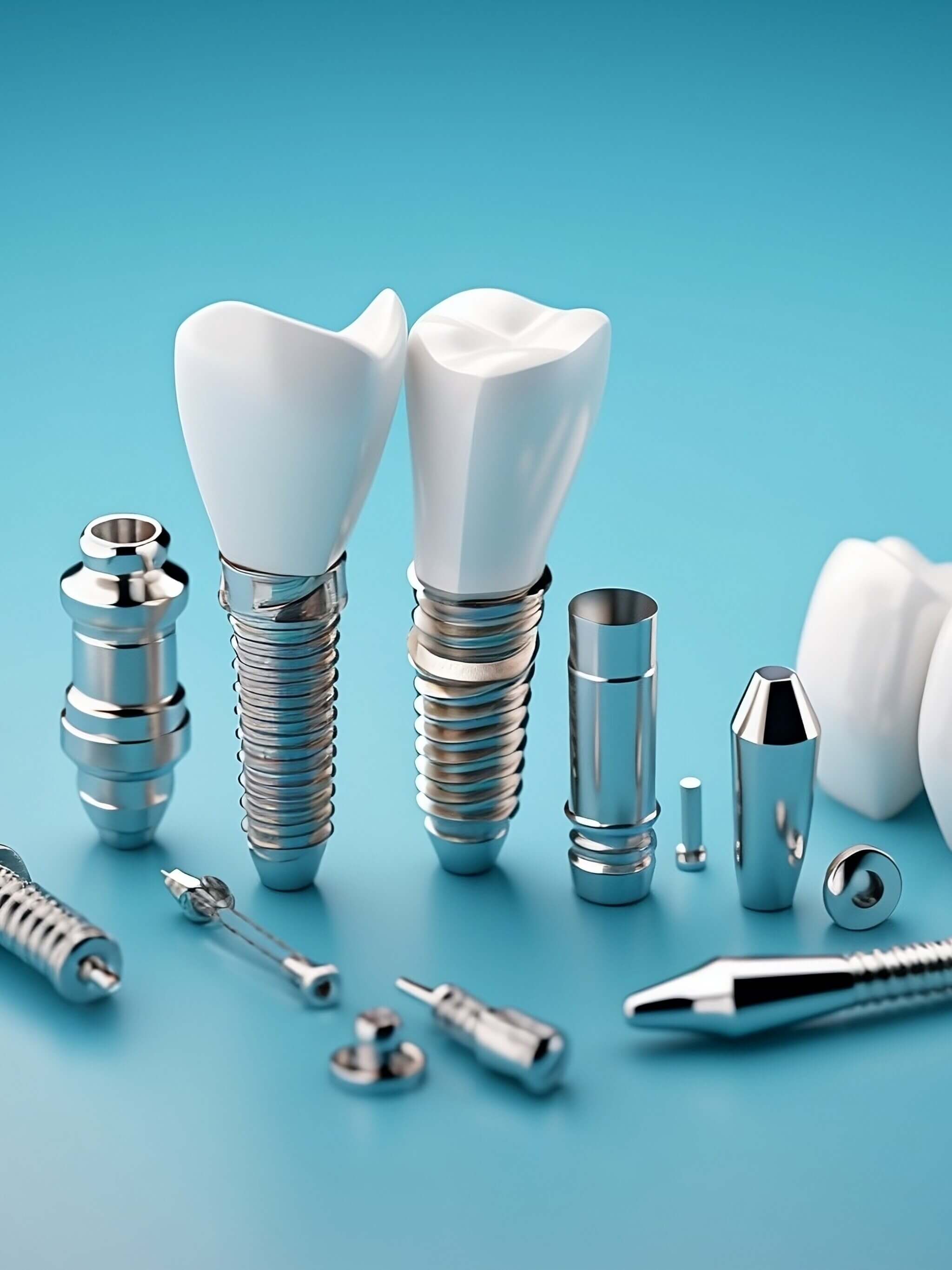
- Consultation and planning: Your dentist will review your medical history, examine your mouth, and take imaging to assess bone quality and gum health. You’ll discuss goals, timelines, and whether you might need bone grafting or sinus lifting for stability.
- Surgery day: The implant fixture is placed into the jaw under local anesthesia, with sedation available in some clinics. Guided surgery can minimize tissue trauma and speed up recovery.
- Healing and integration: The implant typically needs several months to fuse with the bone. During this time, you’ll follow hygiene instructions and attend check-ups. Some cases support “immediate” or early loading, but your dentist will advise based on bone stability.
- Final restoration: After integration, an abutment and custom crown are fitted. This stage focuses on aesthetics, bite alignment, and comfort.
- Maintenance: Regular cleanings, gentle brushing around the implant, and periodic reviews help keep the area healthy for the long term.
Travel and logistics for Hong Kong residents
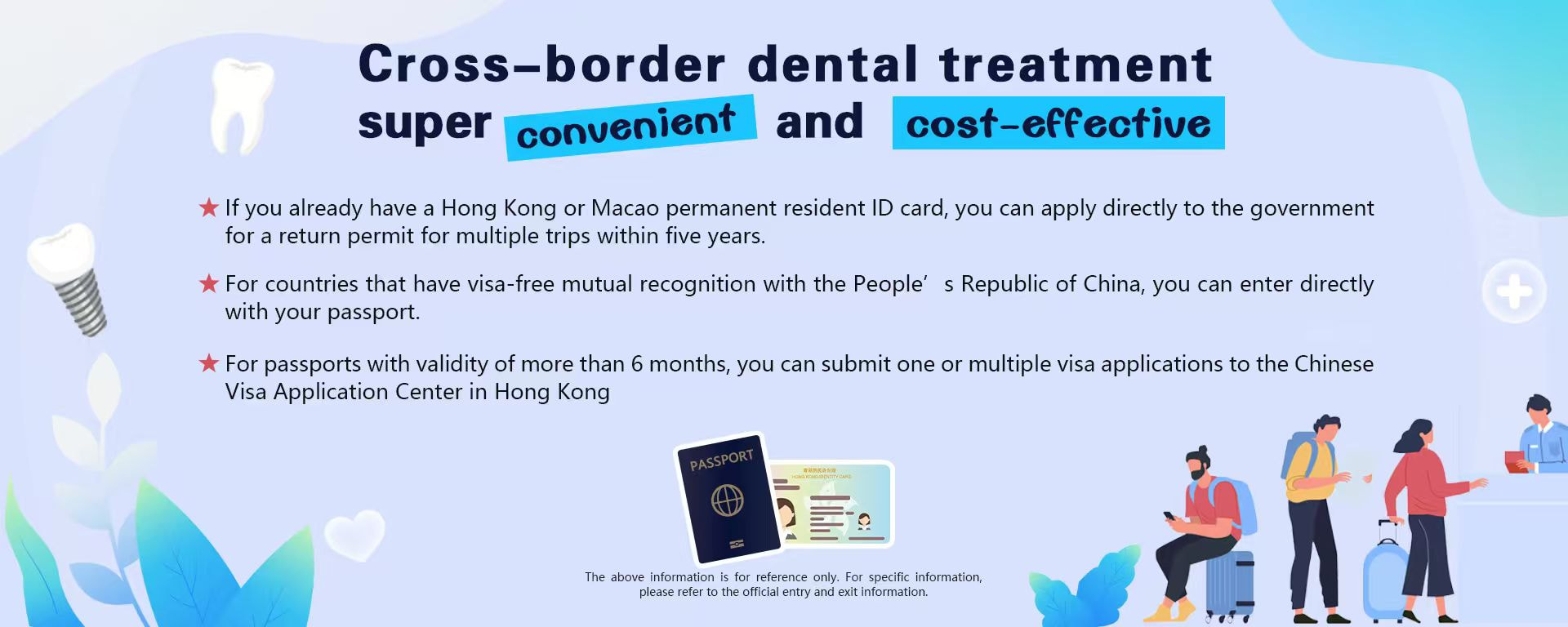
Cross-border care can be smooth with a little planning. Check your travel documents and visa requirements in advance, and choose a clinic near a metro line or transport hub to simplify return visits. Many Shenzhen dentists offer digital follow-ups via secure messaging or video calls, so minor questions can be handled without crossing the border. If you prefer in-person reviews, schedule them around key stages—initial planning, post-op checks, and crown placement—then maintain routine hygiene either in Shenzhen or back in Hong Kong. Payment
is typically straightforward, and clinics are accustomed to serving international patients. If you intend to claim with an insurance provider, confirm coverage and required documentation ahead of time.
Pros and cons compared with staying in Hong Kong
Pros:
- Wider choice of implant systems and digital workflows
- Potentially faster appointments and flexible scheduling
- Integrated care teams offering periodontics, prosthodontics, and oral surgery in one location
- Convenient transit options for planned visits
Cons:
- Cross-border travel time and document requirements
- Language differences in some clinics (though many have English-speaking staff)
- Aftercare requires coordination across locations, especially in the rare event of complications
These trade-offs are manageable when you choose the right clinic and structure your timeline well.
How to choose a Shenzhen implant clinic
- Verify credentials: Look for dentist qualifications, implant-specific training, and membership in recognized professional bodies.
- Ask for a transparent plan: A written treatment plan should include diagnostics, stages, timelines, and materials to be used.
- Confirm imaging and technology: CBCT scans, intraoral scanners, and guided surgery indicate a modern approach.
- Check sterilization standards: Ask about infection control protocols and how instruments are tracked and sterilized.
- Request case examples: Before-and-after photos and references help you understand typical outcomes.
- Discuss aftercare: Ensure you have a clear follow-up schedule and know how urgent issues will be handled.
- Clarify communication: English or Cantonese-speaking staff and responsive channels (phone, email, secure messaging) make the process smoother.
- Evaluate accessibility: Proximity to metro stations, flexible hours, and multiple branches can help with convenience.
What about pain, downtime, and everyday life?
Implant surgery is typically well tolerated with local anesthesia; most patients describe discomfort as manageable afterward. Expect mild swelling for a few days and follow your dentist’s instructions on eating, cleaning, and medication. Many people return to normal activities within 24–48 hours, depending on the complexity of the case. If you need bone augmentation, recovery may take a little longer, and you’ll receive tailored guidance.
Keep your new implant healthy
Implants can last for many years with good care. That means:
- Twice-daily brushing and careful cleaning around the implant
- Floss or interdental brushes as recommended by your dentist
- Regular professional cleanings and annual reviews with imaging when indicated
- Avoiding smoking, which can impair healing and long-term stability
- Wearing a night guard if you grind your teeth
A smart way to approach 2026
Dental implants in Hong Kong remain a strong choice, but Shenzhen offers a compelling alternative for those seeking scheduling flexibility, comprehensive digital workflows, and easy access via public transport. If you map out your plan—credentials checked, documents ready, follow-ups scheduled—you can make cross-border implant care feel as seamless as a local appointment. In 2026, giving Shenzhen a try might be the most efficient path to a confident, long-lasting smile.
















