




Dental Implants Pricing: Shenzhen vs Hong Kong Compared
Thinking about dental implants and weighing Shenzhen against Hong Kong? You’re not alone. Cross-border dental care is increasingly common, and implants are a big decision—clinically, financially, and logistically. While many people start with a single question—Which city is cheaper?—a smarter approach is to compare what drives costs, how care is structured, and what overall value each option offers for your specific case. Here’s a clear, practical guide to help you evaluate dental implants pricing in Shenzhen vs Hong Kong without getting lost in jargon or overwhelmed by details.
What actually drives implant pricing
Implant fees anywhere—Shenzhen, Hong Kong, or beyond—are built from the same core components. Understanding these will help you compare apples to apples:
- Clinical complexity: A single, straightforward implant costs less than full-arch solutions or cases needing bone grafting, sinus lifts, or extensive periodontal treatment.
- Materials and systems: Reputable implant systems and custom abutments affect costs, as do prosthetic choices like zirconia vs. porcelain-fused-to-metal.
- Imaging and planning: CBCT scans, digital impressions, and guided surgery kits add precision—and cost—but can improve outcomes.
- Surgical expertise: Experience and training matter. Clinicians with extensive implant portfolios and advanced training often command higher fees.
- Anesthesia and comfort options: Local anesthesia is standard, while sedation or general anesthesia can add significant costs in some settings.
- Lab work and temporization: Provisional crowns, immediate temporaries, or aesthetic customization may be priced separately.
- Follow-up and warranty: Maintenance, check-ups, and guarantees are often included or sold as packages—pay attention to what’s covered.
Shenzhen at a glance
Shenzhen’s dental market is vibrant and competitive, with many private clinics ranging from boutique practices to large chains. Several trends influence pricing:
- Lower overheads and competitive dynamics: Rent and operating costs tend to be lower than in central Hong Kong, and clinics often compete on value-added packages.
- Bundled services: It’s common to see “all-in” quotes that include scans, surgery, abutment, and crown—but always confirm exactly what’s included and what isn’t.
- Access to technology: Many clinics invest in modern imaging, CAD/CAM milling, and digital workflows; this can bring efficiencies and, in some cases, cost advantages.
- Flexible scheduling: Shorter wait times and extended hours can be attractive if you have tight deadlines.
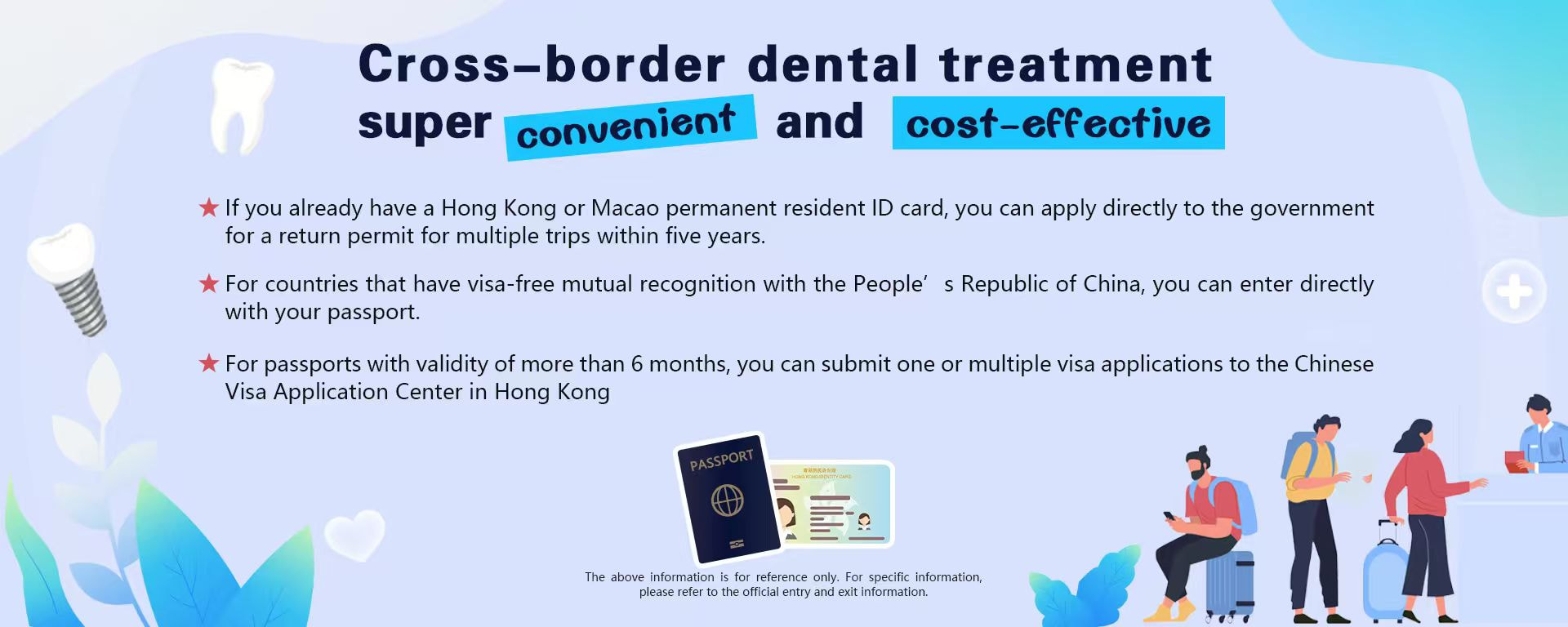
- Cross-border patient services: Some clinics cater to international and Hong Kong patients with bilingual staff and streamlined aftercare plans.
Hong Kong at a glance
Hong Kong’s dental sector emphasizes regulatory oversight, consistency, and convenience for residents:
- Regulatory environment: Strict standards and transparent patient protections can influence practice overheads and professional fees.
- Higher operating costs: Prime real estate, staffing, and compliance requirements can translate into higher overall prices.
- Established referral networks: Complex cases, especially those requiring hospital-based care or sedation, may be more readily coordinated locally.
- Convenient aftercare: Follow-up appointments are easier when your clinic is close to home, which can be critical if you need adjustments or experience complications.
- Insurance and receipts: Some patients value the clarity of invoicing and potential insurance claims through local providers.
Hidden costs and considerations you shouldn’t overlook
Comparing quotes a
cross cities isn’t just about the headline figure. Make sure you account for:
- Number of visits: Will you need multiple trips for consults, surgery, temporaries, and final crowns? Cross-border travel time and costs add up.
- Pre-treatment work: Extractions, periodontal therapy, or caries control can shift costs significantly.
- Bone augmentation: Grafting materials and additional surgical time are often billed separately.
- Temporary solutions: If you need a temporary tooth for aesthetics or function, clarify if it’s included.
- Aftercare and emergencies: Complications are rare but possible; where will you go if you have pain, swelling, or a loose screw?
- Warranty terms: Understand what’s covered—implant, abutment, crown, and for how long—and whether coverage is valid across borders.
- Payment policies: Deposits, staged payments, and cancellation terms vary. Exchange rates and payment methods may also matter.
Quality and safety beyond the price tag
Good outcomes depend on more than cost:
- Clinician credentials: Look for dentists with proven implant experience, postgraduate training, and a portfolio of similar cases.
- Transparent planning: A thorough plan includes diagnosis, CBCT analysis, implant positioning, timeline, and risk disclosures.
- Sterilization and infection control: Ask about protocols and facility standards; reputable clinics are happy to explain.
- Documented components: Request documentation of implant system, batch numbers, and torque values—useful for future maintenance anywhere.
When Shenzhen may be the better fit
- You have a straightforward case and value a cost-conscious, bundled package.
- You’re comfortable coordinating travel and can commit to scheduled follow-ups.
- Your priority is access to a modern clinic with flexible hours and shorter wait times.
When Hong Kong may make more sense
- Your case is complex or you have medical conditions requiring close coordination.
- You want fast, local access for adjustments, hygiene visits, or unexpected issues.
- You prefer a system with local regulatory oversight and immediate recourse.
How to compare quotes fairly
- Ask for a comprehensive written plan: Include imaging, surgery, abutment, crown, temporaries, grafting, and follow-ups.
- Clarify exclusions: Know what’s not included, like sedation, extra scans, or emergency visits.
- Check timeline and visit count: Understand when each stage happens and the total number of appointments.
- Verify implant system and lab: Not all materials and labs are equal; quality affects longevity and aesthetics.
- Confirm aftercare: Who handles maintenance, screw-tightening, occlusal adjustments, or hygiene around the implant?
- Evaluate communication: A clinic that explains risks, alternatives, and maintenance clearly is often a better long-term partner.
Making a value-based decision
If your primary goal is minimizing upfront spend, Shenzhen’s competitive market can be appealing, especially for uncomplicated cases. If continuity of care, local recourse, and streamlined follow-ups rank higher for you, Hong Kong often provides peace of mind. Either way, the best choice isn’t simply “cheaper vs. pricier”—it’s the option that balances clinical quality, convenience, and total cost of ownership over the life of your implant.
In short, build your comparison around the full treatment plan, not the headline quote. Ask clear questions, verify inclusions, plan for aftercare, and choose the clinic—on either side of the border—that earns your trust with transparent communication and sound clinical reasoning. Your implant is a long-term investment; take the time to choose the right team and the right setting for your needs.
















