




Braces in Shenzhen: Is It Worth Traveling from HK? (2026)
Thinking about getting braces in Shenzhen while living in Hong Kong? In 2026, cross-border orthodontic care has become more streamlined than ever, thanks to better transport links, digital dentistry, and clinics designed around Greater Bay Area patients. Still, the right choice depends on your priorities: convenience, clinical expertise, technology, and how much cross-border travel you’re comfortable with. Here’s a practical, no-fluff look at whether it’s worth the trip.
Why people consider braces in Shenzhen
- Access to top-tier tech: Many Shenzhen clinics invest heavily in digital orthodontics—3D CBCT imaging, intraoral scanning, AI-aided treatment planning, and in-house 3D printing for aligners and appliances.
- Appointment availability: Large multi-chair clinics and private stomatology centers often offer evening and weekend slots, plus quicker starts after your initial assessment.
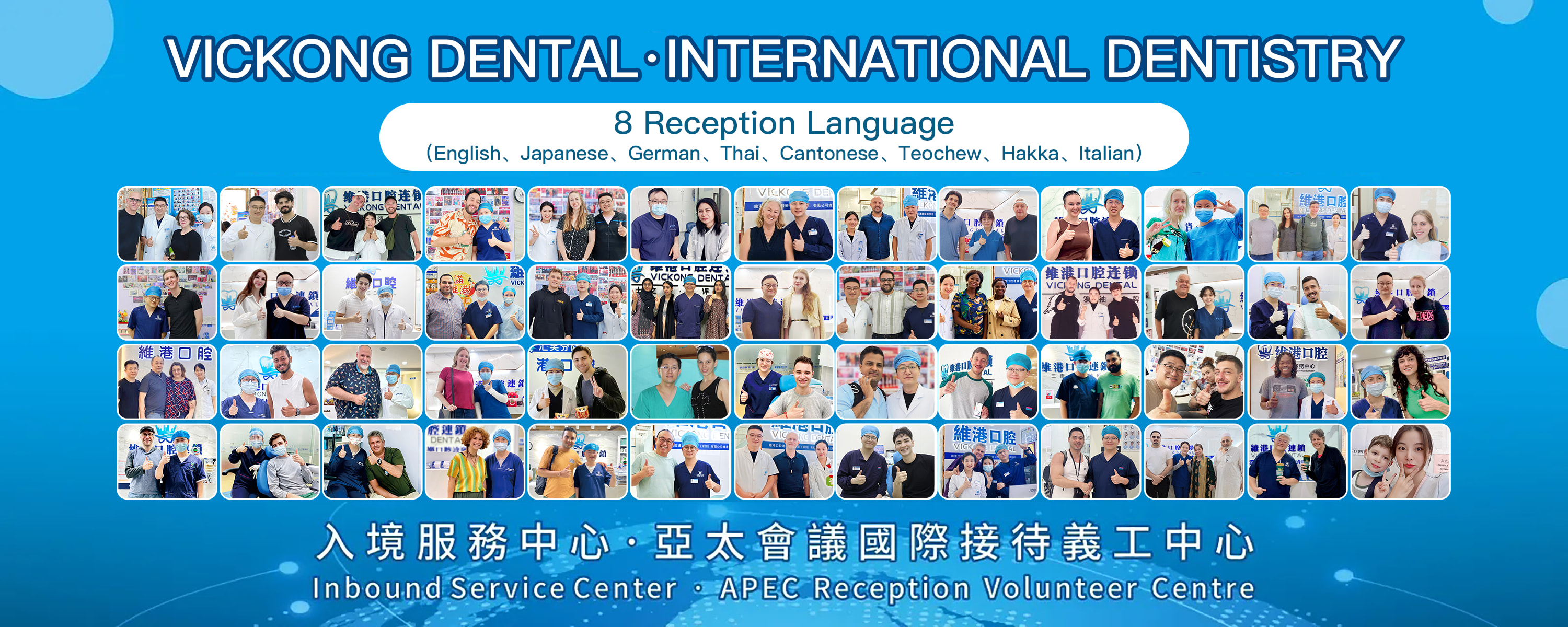
- Cross-border patient focus: A number of practices have bilingual staff (Mandarin, Cantonese, English), familiar intake processes for Hong Kong ID holders, and clear communication about follow-ups.
What quality looks like in Shenzhen clinics
Orthodontic care in Shenzhen spans reputable stomatology hospitals, specialist orthodontic centers, and high-end private clinics. For peace of mind, look for:
- Licensed facilities with visible practicing certificates and sterilization protocols.
- Orthodontists with standardized specialty training and clinical experience specifically in orthodontics (not just general dentistry).
- A comprehensive diagnostic workflow: medical history, photos, digital scans, panoramic X-rays or CBCT when indicated, and a written treatment plan explaining mechanics and expected outcomes.
- Before-and-after cases similar to yours, not just “highlight reel” results.
- Transparent consent and policies on refinements, missed appointments, and retainer follow-up.
Treatment options you’ll find
- Metal braces: Reliable, efficient, good control for complex movements.
- Ceramic braces: More discreet brackets with similar mechanics to metal.
- Self-ligating systems: Potentially fewer chair-side adjustments, though outcomes depend more on the orthodontist than the brackets.
- Lingual braces: Hidden behind teeth; technique-sensitive and usually reserved for specific cases.
- Clear aligners: From global brands to clinic-manufactured aligners using in-house 3D printing. Great for aesthetics and convenience when case selection is appropriate.
Your timeline and visit frequency
Most comprehensive treatments run 12–24 months, sometimes longer for complex bite corrections. Expect:
- Consultation and records: 1–2 visits for scanning, X-rays, photos, and planning.
- Start appointment: Bracket bonding or first aligner delivery.
- Adjustments: Traditionally every 4–8 weeks for fixed braces; aligner checks can be spaced out to 6–10 weeks with remote monitoring.
- Remote check-ins: Many practices now use apps for photo updates and AI-driven tracking, reducing in-person visits—useful if you’re crossing the border from Hong Kong.
- Retainer phase: After active treatment, you’ll need retainers and periodic checks for at least 12 months to maintain results.
Travel logistics from Hong Kong
Shenzhen is a quick hop, but logistics matter over months of treatment:
- Transport: High-speed rail (West Kowloon to Futian/Shenzhen North) and MTR/metro connections make 30–60 minute clinic commutes realistic, depending on where you live and which clinic you choose.
- Border points: Lo Wu/Luohu, Lok Ma Chau/Futian, and the Lok Ma Chau Spur Line are common
choices. Pick a clinic near a station to simplify transfers.
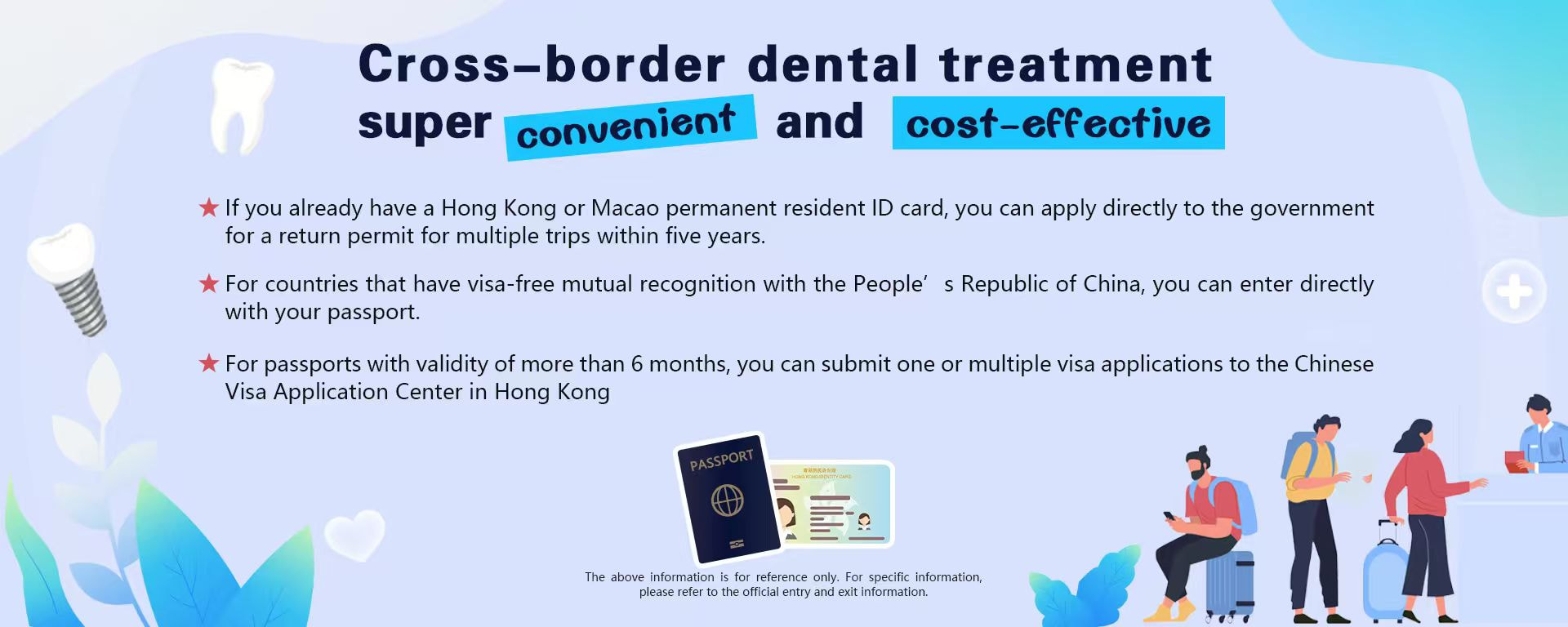
- Documents: Most Hong Kong residents use a Home Return Permit. Check validity and any entry policy updates before the first appointment.
- Scheduling: Book consecutive visits on the same day (e.g., scan + consultation, or adjustment + retainer check) to reduce trips. Avoid peak travel times like major holidays.
Insurance and payment
Some Hong Kong policies include orthodontic allowances, but coverage for care received in Mainland China can vary. Before starting:
- Confirm whether your insurer reimburses cross-border orthodontic treatment, what documentation is needed, and any pre-authorization requirements.
- Ask the clinic for detailed, itemized invoices and treatment summaries to support claims.
- Clarify policies on treatment transfers if you need to switch to a Hong Kong provider later.
Pros and cons versus staying in Hong Kong
Pros of Shenzhen:
- Wider appointment availability and faster starts.
- Strong adoption of digital orthodontics and remote monitoring.
- Multilingual teams experienced with cross-border patients.
Cons to consider:
- Travel time and border control add friction, even with efficient rail links.
- Emergencies (e.g., pokey wire, loose bracket) may require an extra trip or temporary fixes in HK.
- Public holiday schedules differ; plan around Golden Week and Lunar New Year.
Red flags to avoid
- “One-size-fits-all” plans that skip proper X-rays or records.
- Guarantees of exact timelines without discussing case complexity or patient compliance.
- Pressure to pay in full before you see a comprehensive plan and consent documents.
- Limited discussion on retainers, relapse risk, or what happens if refinements are needed.
Who’s a good candidate for cross-border braces
- You live or work near a convenient rail line or border point and can attend scheduled visits.
- You value digital planning and remote monitoring to reduce chair time.
- Your case is mild to moderate and suitable for aligners with fewer in-person visits, or you’re comfortable committing to planned adjustment intervals for braces.
- You have flexible schedules for occasional weekday trips and can handle an unexpected visit if something breaks.
Practical tips to make it work
- Start with a thorough consultation in both locations: Compare one plan in Hong Kong and one in Shenzhen to see differences in diagnosis, approach, and timeline.
- Ask about a “travel-friendly” protocol: longer interval wires for braces, multi-aligner deliveries, and virtual check-ins.
- Keep a small kit: orthodontic wax, interdental brushes, travel toothpaste, and a list of emergency steps the clinic recommends.
- Align your calendar: Book your next appointment before leaving the clinic, and set reminders for aligner changes and elastic wear.
- Document everything: Photos of your bite every few weeks help both you and your orthodontist track changes—especially useful if you miss a visit.
The bottom line
If you’re comfortable with occasional cross-border trips and want access to clinics that lean into digital orthodontics and flexible scheduling, getting braces in Shenzhen can be a smart move. The key is due diligence: choose a licensed clinic, insist on comprehensive diagnostics and a clear plan, and set realistic expectations about visit frequency and aftercare. For those who prefer maximum convenience or anticipate frequent emergencies, staying with a Hong Kong orthodontist may be simpler. In 2026, the Greater Bay Area makes either route viable—pick the one that best fits your routine, your case complexity, and how you want to experience your smile journey.
















