




Root Canal in HK? Shenzhen Offers Better Savings in 2026
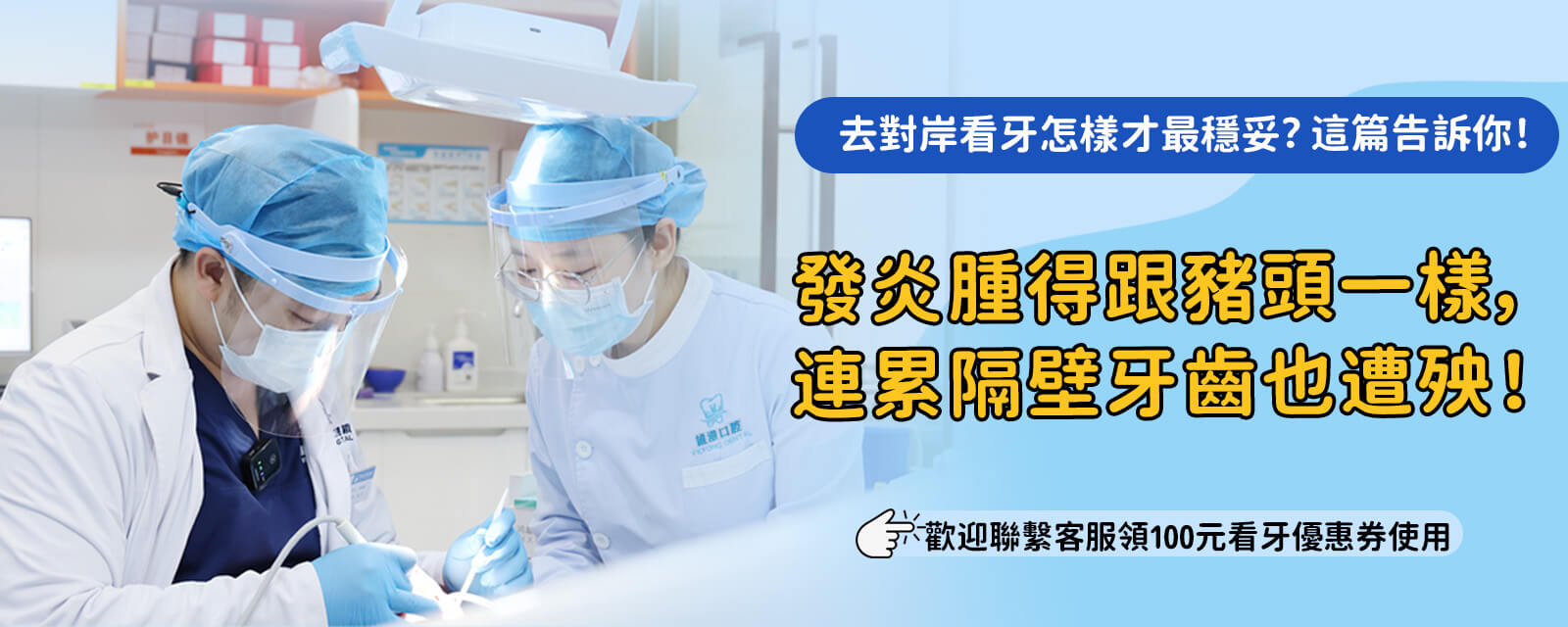
If you’ve been told you need a root canal in Hong Kong, you’re likely weighing the familiar convenience of staying in town against the growing appeal of heading across the border. By 2026, Shenzhen has become a practical alternative for many Hong Kong residents, thanks to easier transport, highly equipped clinics, and the potential for meaningful savings without compromising on care. Here’s a clear, candid look at what to expect, how to choose, and whether crossing the border makes sense for you.
Why Shenzhen is on more Hongkongers’ radar
Shenzhen’s dental scene has matured quickly. Private clinics serving cross-border patients typically operate with lower overheads and broader competition, which can translate to lower treatment totals. For patients, that often means a root canal, associated imaging, and follow-up can be bundled more affordably than in central Hong Kong districts. Combine that with frequent trains from West Kowloon to Futian, efficient e-channels, and extended clinic hours, and the travel piece is far less intimidating than it used to be. In short: Shenzhen offers solid clinical capability and the kind of savings that make the trip worth planning in 2026.
Quality and safety: what to look for
Root canal therapy is all about precision and infection control. Whether you book in Hong Kong or Shenzhen, focus on the same quality markers:
- Endodontic focus: Ask whether your case will be handled by an endodontist or a dentist with advanced training in root canal therapy.
- Rubber dam isolation: This basic but crucial step keeps the tooth dry and free of saliva during treatment.
- Microscopic dentistry: A dental microscope improves visualization of fine root canals, reducing the risk of missed anatomy.
- Modern imaging: Digital X-rays are standard; cone-beam CT (CBCT) is helpful for complex cases or re-treatments.
- Sterilization protocols: Confirm how instruments are sterilized, whether single-use files are employed when appropriate, and how rooms are disinfected between patients.
Reputable Shenzhen clinics are increasingly transparent about these details. Many publish their protocols, device lists, and clinician credentials online. If that information isn’t easy to find, request it before you commit.
Travel and timing: planning a smooth appointment
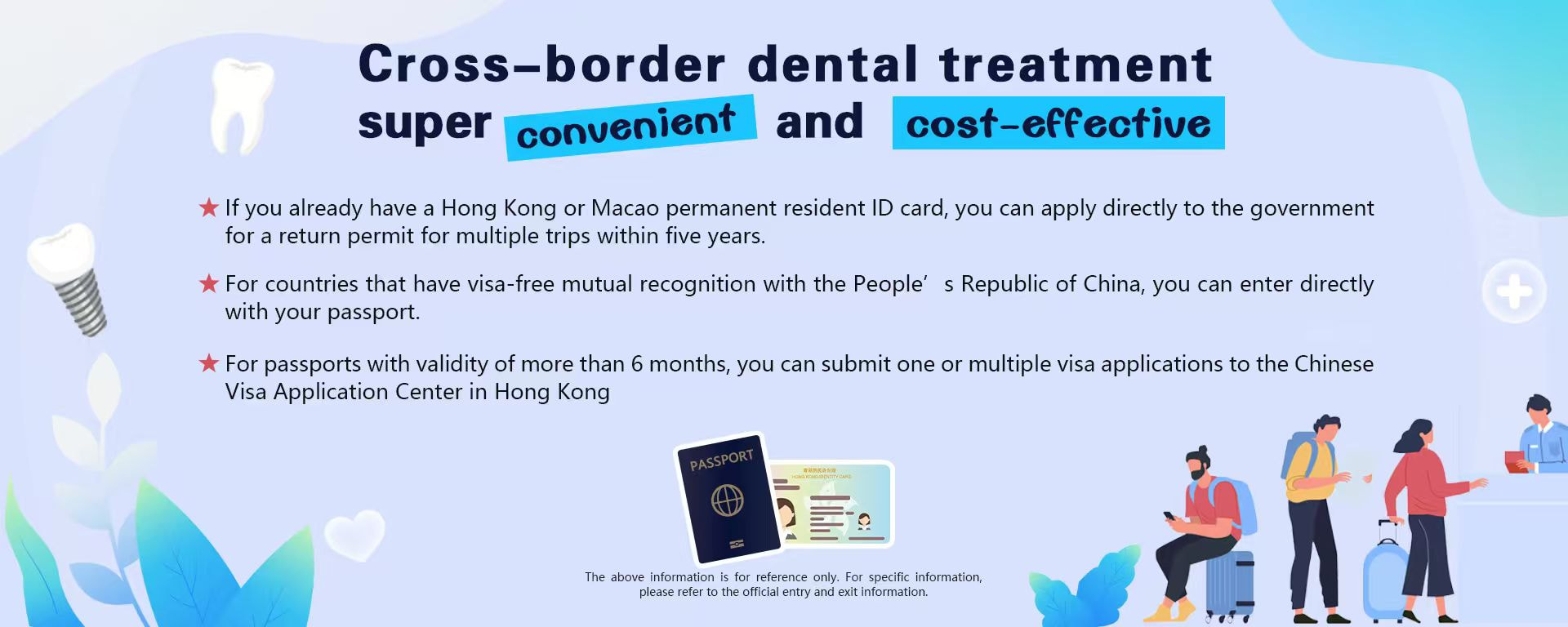
Cross-border logistics are straightforward if you plan ahead. Book your root canal when you can manage a relaxed schedule, ideally avoiding peak border times. The train from West Kowloon to Futian is fast, with easy transfers to popular districts. For pre- and post-op steps, ask the clinic whether they offer video consultations to review your X-rays, discuss symptoms, and confirm the treatment plan before you travel. If you need multiple visits—common if there’s a severe infection or a cracked tooth—try to secure back-to-back appointments or weekends to minimize work disruption.
Language, communication, and bedside care
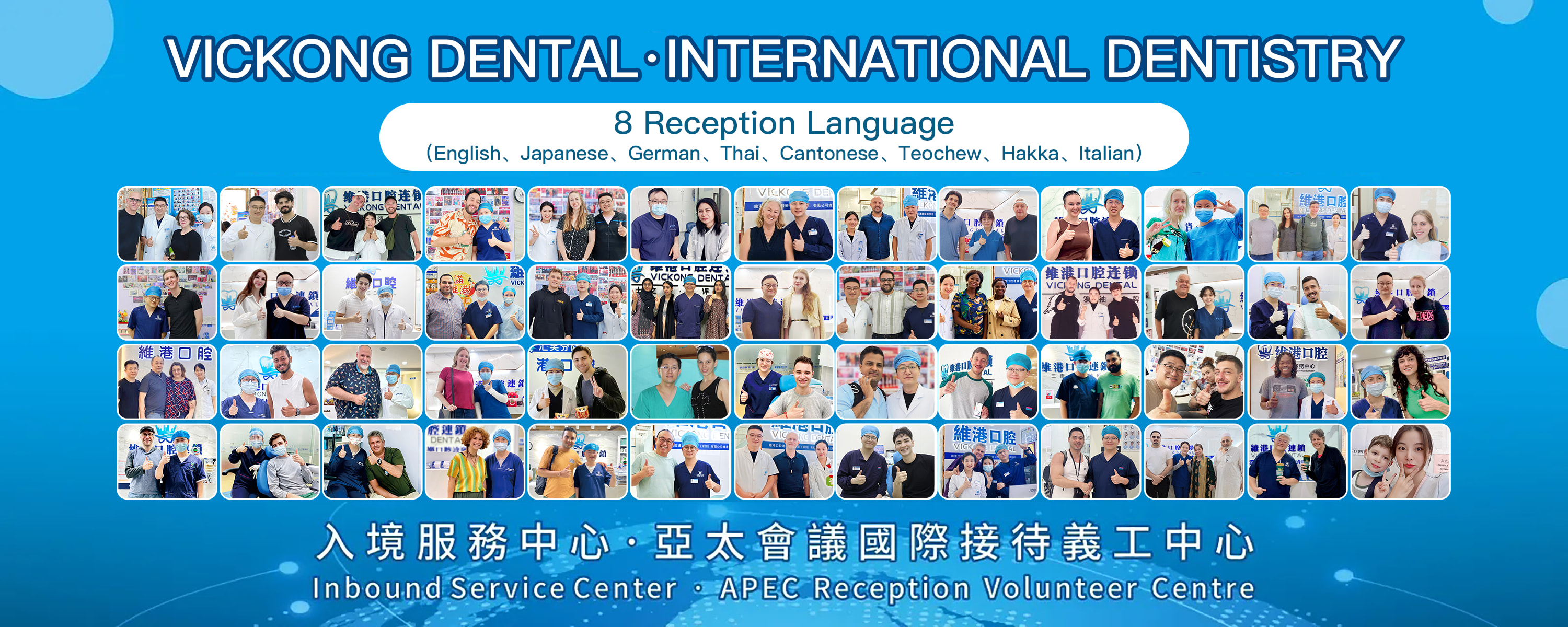
Many Shenzhen clinics serving Hong Kong patients have Cantonese- and English-speaking staff. Still, clarity matters. Request written treatment plans that spell out each step: initial cleaning and shaping, disinfecting the canals, medication if required, filling (obturation), and final restoration. If you prefer a particular anesthetic protocol or have past dental anxieties, share that upfront. Good clinics will adapt their approach, offer longer chair time, and check in frequently regarding comfort.
Insurance, invoices, and payment basics
If your Hong Kong dental plan reimburses out-of-network care, verify whether Shenzhen provi
ders are covered and what documentation is required. Itemized invoices in bilingual format, diagnostic codes, and radiographs can streamline reimbursement. Many clinics accept international cards and popular e-wallets; ask about deposit policies and cancellation terms when booking.
How to choose the right clinic
Not all options are equal. Shortlist clinics using these practical filters:
- Credentials and experience: Years of endodontic practice, microscope-assisted cases, and re-treatment success rates.
- Diagnostics: Access to CBCT for complex roots or suspected fractures.
- Treatment planning: A written plan with anticipated visits and materials used.
- Emergency support: How the clinic handles flare-ups, post-op pain, or swelling.
- Aftercare: Follow-up appointment availability and guidance for crowns or onlays after the root canal.
- Transparency: Clear communication, easy-to-understand consent forms, and no pressure selling.
Who should stay in Hong Kong
Crossing the border isn’t ideal for everyone. If you have complex medical conditions requiring hospital coordination, need sedation beyond local anesthesia, experience severe acute pain that cannot wait, or anticipate multiple urgent check-ins, local care in Hong Kong may be more appropriate. Proximity to your regular dentist can be crucial for complications or swift adjustments.
What a modern root canal involves
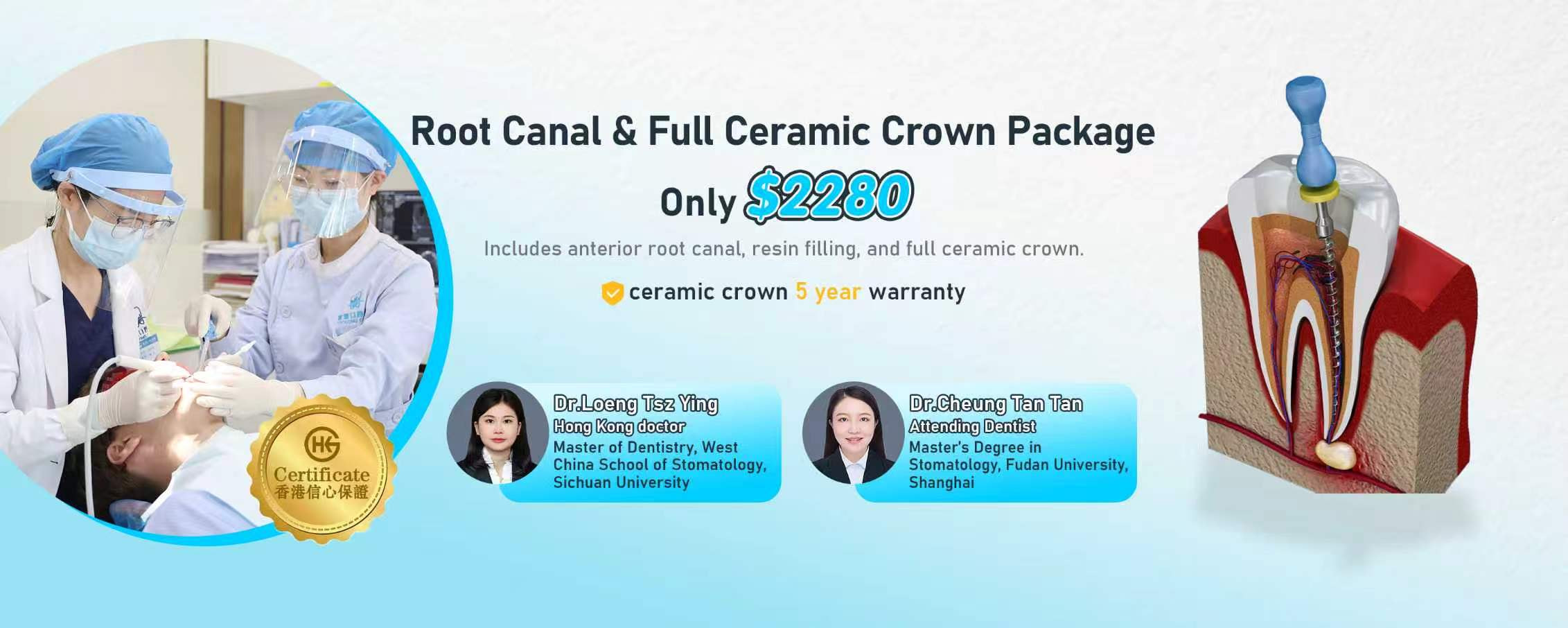
A typical root canal begins with diagnostics: clinical exam, vitality testing, and imaging. Once the tooth is numb, the dentist isolates it with a rubber dam, accesses the pulp chamber, and carefully cleans and shapes the canals. Disinfection steps remove bacteria, and the canals are sealed with a biocompatible material. Depending on the tooth’s structural integrity, a crown or onlay is often recommended afterward to prevent fractures. Mild tenderness is common for a few days; most patients manage it with routine pain relief and return to normal activities quickly. Good follow-up includes bite checks, a review of your restoration, and monitoring of healing at the root tip.
A realistic view of savings in 2026
While specific numbers vary by clinic, tooth complexity, and aftercare needs, many patients find that Shenzhen’s total treatment costs are lower, even after factoring in transport and time. Competition among private clinics, lower operating expenses, and streamlined appointment scheduling contribute to that calculus. For some, the ability to secure high-tech care—microscope use, CBCT when needed, modern materials—without a heavy bill is the deciding factor.
Tips for a stress-free cross-border dental day
- Share past X-rays and notes with the clinic in advance to avoid repeat imaging.
- Block extra time around your appointment in case you need additional anesthesia or extended cleaning.
- Eat lightly before treatment and carry a small kit with pain relief and a soft bite guard if you tend to clench.
- Avoid hard chewing on the treated tooth until you receive the final restoration.
- Keep your receipts, X-rays, and a summary of care for easy reference.
Bottom line
If you’re weighing a root canal in HK, Shenzhen in 2026 offers a compelling blend of cost-conscious care and modern clinical standards. With the right clinic, transparent planning, and smart logistics, crossing the border can be both practical and comfortable. Start with a thorough evaluation, compare treatment plans thoughtfully, and prioritize quality markers over marketing. The result you want—a comfortable procedure, durable restoration, and peace of mind—should guide your choice, wherever you decide to sit in the dental chair.
















