








Dental Treatment in Shenzhen: Key Facts Before Booking 2026
Thinking about getting dental treatment in Shenzhen in 2026? You’re not alone. Shenzhen’s mix of modern clinics, tech-forward dentistry, and convenient access from Hong Kong has made it a favorite for residents, expats, and international visitors. If you plan ahead and know what to look for, you can have a smooth, high-quality experience. Here are the key facts to understand before you book.
Why Shenzhen stands out
Shenzhen’s healthcare ecosystem is known for adopting digital dentistry early—think CBCT scans, intraoral scanners, CAD/CAM milling for same-day crowns, and 3D-printed surgical guides. Many clinics cater to international patients, offering bilingual staff, clear treatment plans, and flexible scheduling. The city’s dense transit network and clusters of clinics in districts like Futian, Nanshan, and Luohu make it easy to reach your appointment.
Common treatments available
You’ll find the full spectrum of care:
- Preventive and general dentistry: check-ups, cleanings, fillings.
- Restorative: crowns, bridges, inlays/onlays, dentures.
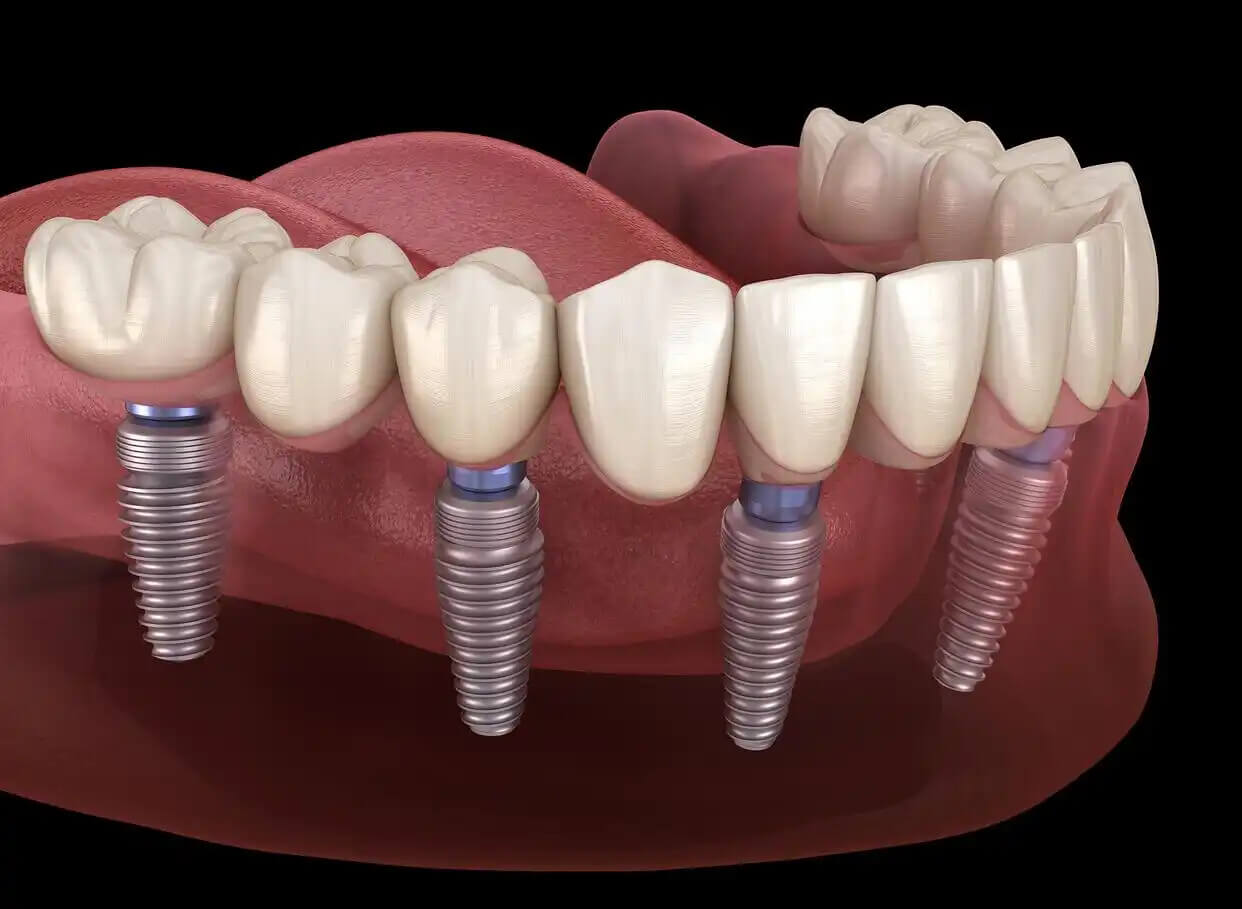
- Implants: from single-tooth implants to full-arch solutions, often guided by digital planning.
- Root canal therapy (endodontics): including microscopic treatment for complex cases.
- Orthodontics: traditional braces and clear aligners; many clinics provide digital smile simulations.
- Cosmetic: veneers, bonding, whitening.
- Periodontal care: gum therapy and maintenance.
- Pediatric dentistry: child-friendly environments and behavior management.
Clinic standards and qualifications
In China, dentists must hold a valid practicing license; reputable clinics display licenses and the dentist’s registration number. When you visit or inquire:
- Ask about sterilization: Look for sealed, single-use instruments and autoclave logs; staff should explain their infection control protocols.
- Check imaging capabilities: CBCT scans and digital x-rays are standard in advanced practices.
- Confirm anesthesia options: Local anesthesia is widespread; nitrous oxide or deeper sedation may be limited to specific clinics or hospitals and requires additional monitoring.
- Request a written plan: A good clinic will provide a treatment plan with timelines, alternatives, and informed consent documents.
Language and patient communication
Many Shenzhen clinics serving international patients provide English-speaking dentists or coordinators. If English-language support is crucial for you, confirm ahead of time:
- Whether pre-visit consultations can be done via video.
- If written materials (consent forms, aftercare instructions) are available in English.
- How the clinic handles interpreter services if needed.
Booking timelines and best times to visit
Shenzhen clinics can be busy during national holidays and back-to-school season. For 2026:
- Book routine care 1–3 weeks in advance; complex procedures may need longer lead time.
- Avoid major holiday periods (for example, Lunar New Year and early October); staffing and lab turnarounds may be slower.
- Early-morning or midweek appointments often mean shorter waits.
What to bring to your appointment
- Medical and dental history, including a list of medications and allergies.
- Prior x-rays or CBCT scans (digital copies preferred); ask the clinic which file formats they accept.
- Any dental appliances (retainers, night guards) you currently use.
- Passport or ID; some clinics may need this for registration.
- Insurance details, if applicable, and a method of payment.
Insurance and payment basics
Many clinics welcome internati
onal patients and can issue official receipts (fapiao) for reimbursement. Some offer direct billing with select insurers, but it’s not universal. Clarify:
- Whether the clinic can provide itemized treatment records.
- Accepted payment methods (credit cards, UnionPay, WeChat Pay, Alipay are common).
- How refunds and cancellations are handled and what documentation you’ll receive.
Expected treatment timelines
- Implants: Typically involve consultation and imaging, placement of the implant, a healing period, and crown placement. If bone grafting is needed, expect additional healing time. Clarify whether immediate or delayed loading is recommended in your case.
- Root canal therapy: Often completed in one to three visits depending on tooth complexity and infection.
- Crowns and veneers: With CAD/CAM, single-visit crowns may be possible; veneers usually require at least two appointments (prep and placement).
- Orthodontics: Braces and aligners require periodic reviews; ask about remote check-ins, which some clinics support through apps.
Aftercare and follow-up
If you’re traveling, plan for recovery and follow-up:
- After surgical procedures, allow a window for a check-up before leaving the city.
- Request written aftercare instructions and an emergency contact.
- For orthodontics and implants, ask about remote monitoring and what to do if you experience issues after you return home.
- Clarify warranty or adjustment policies and what constitutes proper maintenance to keep coverage valid.
Safety checks and red flags
A quality clinic welcomes questions. Be cautious if you encounter:
- Pressure to commit immediately or upsell unrelated treatments.
- Reluctance to show sterilization processes or credentials.
- No written treatment plan or vague timelines.
- Guaranteed outcomes without proper diagnostics.
Check independent reviews, look for case photos with patient consent, and verify the clinic’s address and registration.
Travel and logistics
- Access: Shenzhen is connected by high-speed rail and multiple border points with Hong Kong. Allow extra time for border crossings and security checks.
- Visas: Entry policies can change; verify current requirements before travel, including any visa-on-arrival or transit rules.
- Transportation: The metro is extensive and reliable; taxis and ride-hailing apps are widely available. Share the clinic’s Chinese name and address to avoid confusion.
- Recovery comfort: Choose accommodation close to the clinic if you expect multiple visits, and plan a soft-food diet after surgical work.
What’s new in 2026
- Digital-first experiences: More clinics offer online scheduling, AI-assisted diagnostics, and app-based follow-ups.
- Data and privacy: Expect clinics to request consent for digital records; ask how your data is stored and shared.
- Expanded tele-dentistry: Pre-consultations and second opinions may be available remotely, helping you plan before you arrive.
Quick pre-booking checklist
- Verify dentist credentials and clinic registration.
- Confirm imaging and technology available for your procedure.
- Ask for a written treatment plan, timeline, and aftercare.
- Check language support and availability of English documents.
- Understand insurance documentation, payment methods, and cancellation policies.
- Schedule around major holidays and allow buffer time for follow-up.
With the right preparation, dental treatment in Shenzhen can be efficient, transparent, and high-quality. Take a little time upfront to vet clinics, align expectations, and organize your travel, and you’ll step into the chair confident and informed.
















