






Thinking of Veneers in Hong Kong? Consider Shenzhen in 2026
If you’ve been thinking about veneers in Hong Kong, you’re not alone. Cosmetic dentistry continues to grow in popularity as people look for subtle, confident smiles without months of orthodontic treatment. But here’s a smart 2026 twist: consider Shenzhen just across the border. For many Hong Kong residents and visitors alike, Shenzhen offers a compelling blend of convenience, technology, and care standards that make it worth a look.
Why Shenzhen deserves a spot on your shortlist
Shenzhen’s dental scene has evolved rapidly, and by 2026 it’s home to a mature ecosystem of clinics, labs, and technicians focused on cosmetic dentistry. The city’s proximity to Hong Kong means you can realistically schedule consultations and procedures without major travel planning. High-speed rail and efficient border crossings make a same-day visit feasible for many people, though you should still check the latest entry and travel guidelines before you book.
What stands out is how many Shenzhen clinics have embraced digital workflows—think intraoral scanners, 3D smile design, and chairside CAD/CAM fabrication. This tech-forward approach helps reduce guesswork and improves communication between dentist, patient, and lab. When you’re making a long-term decision like veneers, clarity and predictability matter.
The value proposition is another factor. While we’re not discussing prices, many patients find that Shenzhen offers a strong balance of craftsmanship and service quality. You’ll often find bilingual teams, flexible weekday and weekend hours, and streamlined appointment systems that accommodate busy schedules.
What to look for in a veneer clinic across the border
Choosing the right clinic is more important than choosing a city. If you’re comparing options in Hong Kong and Shenzhen, use the same rigorous checklist:
- Credentials and experience: Confirm your dentist’s qualifications and how many veneer cases they complete each month. Consistency builds skill.
- Digital assessment and mock-ups: Look for clinics that offer digital smile design and allow you to preview shape, shade, and alignment before committing.
- Materials and lab quality: Ask whether veneers are fabricated in-house or by a partner lab, and what materials are commonly used. Porcelain and composite veneers each have pros and cons; high-quality ceramics typically deliver better translucency and longevity.
- Sterilization and infection control: Expect clear protocols, visible sterilization indicators, and modern equipment. Don’t be shy about asking questions.
- Communication and aftercare: Ensure the clinic provides clear post-procedure guidance and easy ways to reach your dentist if you need adjustments or repairs later.
- Real case photos: Before-and-after images of previous patients (with consent) can help you evaluate aesthetic consistency and style.
The veneer process in 2026, step by step
A good veneer experience starts with a thorough consultation. Your dentist should evaluate bite alignment, gum health, enamel thickness, and any pre-existing issues like grinding or sensitivity. You’ll discuss whether porcelain or composite suits your goals. Porcelain veneers often deliver superior lifelike appearance and stain resistance, while composite can be a conservative, quicker option for certain cases.
Next comes smile planning. With digital scans and photos, your dentist can show a mock-up of your future smile. Many clinics will create a temporary version—or a digital overlay—so you can visualize changes to shape and length before anything permanent happens.
Tooth preparation is typically minimal for modern veneers, but some enamel reduction may be necessary for a
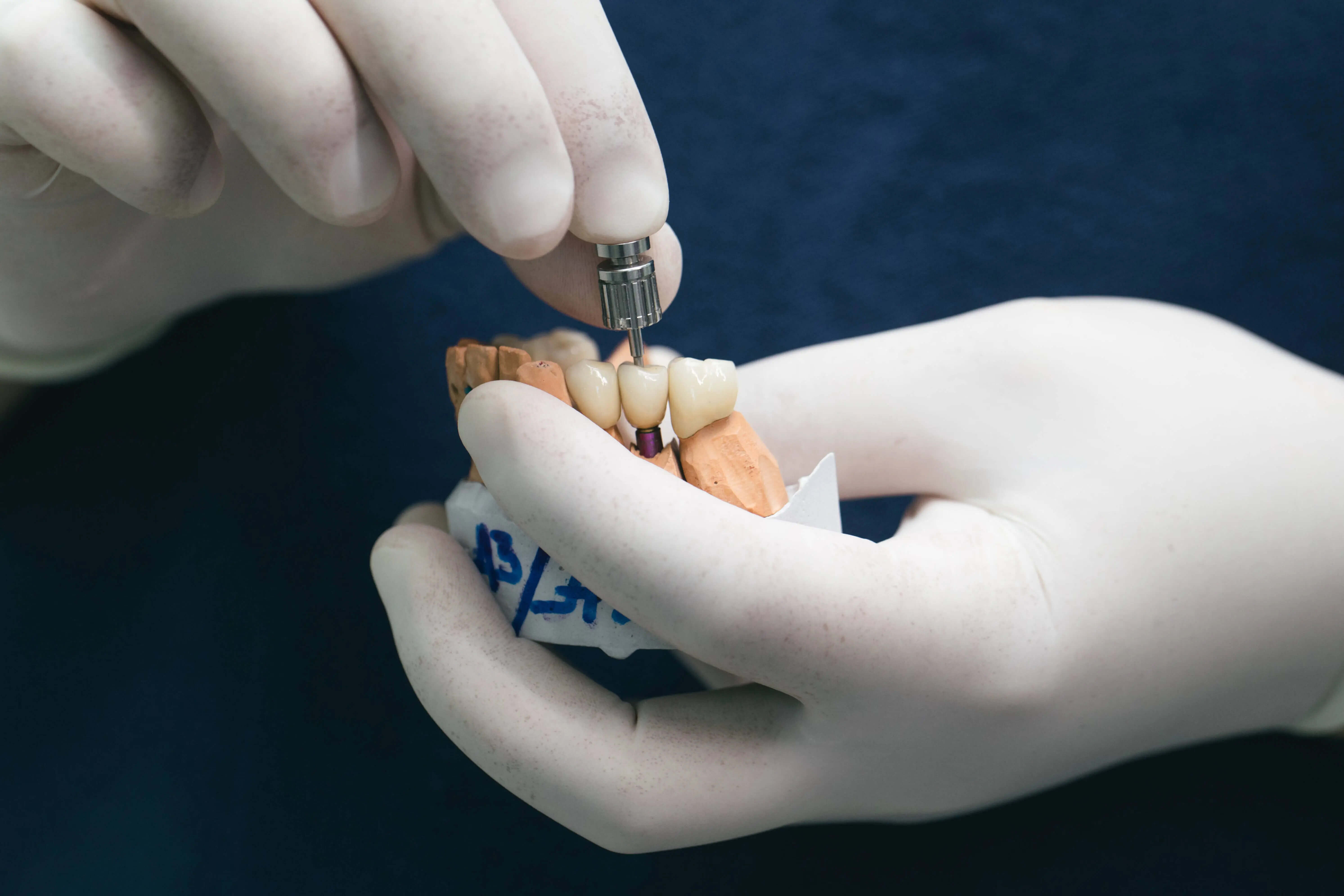
natural fit. If your case calls for porcelain, you’ll likely wear temporaries while the lab fabricates the final veneers. On placement day, your dentist will bond each veneer carefully, adjust bite contacts, and polish for a seamless finish.
Expect one to three visits over one to three weeks, depending on your case and the clinic’s workflow. With digital tech, some composite veneers can be completed in a single visit, though porcelain typically requires a short wait while the lab crafts your custom pieces.
Maintenance and longevity
Veneers aren’t a set-and-forget solution. Good habits help protect your investment: brush twice daily with non-abrasive toothpaste, floss, and attend regular cleanings. Avoid using your teeth as tools, and minimize habits like nail-biting. If you grind your teeth, a night guard can be essential.
Porcelain veneers can last many years with proper care. Composite veneers can also hold up well, though they may need periodic polishing or touch-ups. Either way, plan for maintenance and occasional replacements over the long term, just as you would with any cosmetic enhancement.
Hong Kong vs. Shenzhen: practical considerations
- Appointments and timing: If you’re juggling work, family, or business travel, Shenzhen’s scheduling flexibility can be a benefit. Just remember that veneers usually require multiple visits—plan around holidays and peak travel periods, especially during major festivals.
- Communication: Many Shenzhen clinics cater to international and Hong Kong clients, offering English and Cantonese support. Still, gauge how well the team explains details and whether they provide written aftercare instructions you can refer to later.
- Aftercare and adjustments: Consider logistics for minor adjustments. If your clinic is in Shenzhen, ask how quickly they can accommodate follow-up visits and whether short-notice bookings are possible.
- Travel readiness: Check the latest cross-border requirements and travel documentation. Build buffer time into your schedule for border checks, and keep all dental records and scans accessible in case you need care on either side of the border.
How to prepare for your veneer journey
- Gather references: Create a mood board with smiles and shapes you like. It helps your dentist understand your aesthetic goals.
- Share your history: Bring any recent X-rays or dental records. Full disclosure about sensitivity, grinding, or prior restorations helps your dentist plan safely.
- Ask detailed questions: Clarify the number of teeth to be treated, shade selection, expected durability, and what happens if a veneer chips.
- Understand policies: Review consent forms, warranties, and cancellation policies. Ask how emergencies are handled and whether your dentist partners with any clinics in Hong Kong for urgent situations.
- Plan your calendar: Coordinate travel, and leave cushion time for potential adjustments after placement.
Is Shenzhen the right move for you?
If you want a streamlined, tech-forward veneer experience with proximity to Hong Kong, Shenzhen is a strong contender in 2026. The key is to compare clinics, not just locations. Prioritize a dentist who listens, plans meticulously, and uses tools that help you visualize the outcome. Whether you finalize your smile in Hong Kong or Shenzhen, the right team will make the process feel collaborative and clear.
Ultimately, veneers are as much an art as a science. When you align expectations, choose materials wisely, and commit to good maintenance, your smile can look natural, balanced, and uniquely yours. If you’re thinking of veneers in Hong Kong, keep Shenzhen on your radar—you may find the perfect blend of convenience, craftsmanship, and care just one train ride away.
















