




Dental Implants in Shenzhen: Key Facts Before You Go 2026
Thinking about getting dental implants in Shenzhen? You’re not alone. This fast-growing tech city has become a top destination for high-quality dental care, fueled by modern clinics, skilled clinicians, and efficient digital workflows. If you’re planning a trip in 2026, here are the essentials you should know to make confident, well-informed decisions—from choosing the right clinic to understanding timelines, risks, and aftercare.
Why Shenzhen for dental implants
Shenzhen blends cutting-edge technology with a strong healthcare ecosystem. Many clinics offer:
- Advanced diagnostics: 3D cone-beam CT (CBCT) imaging, digital impressions, and CAD/CAM milling.
- Internationally recognized implant systems: Established global brands and NMPA-approved devices (China’s regulator) are common.
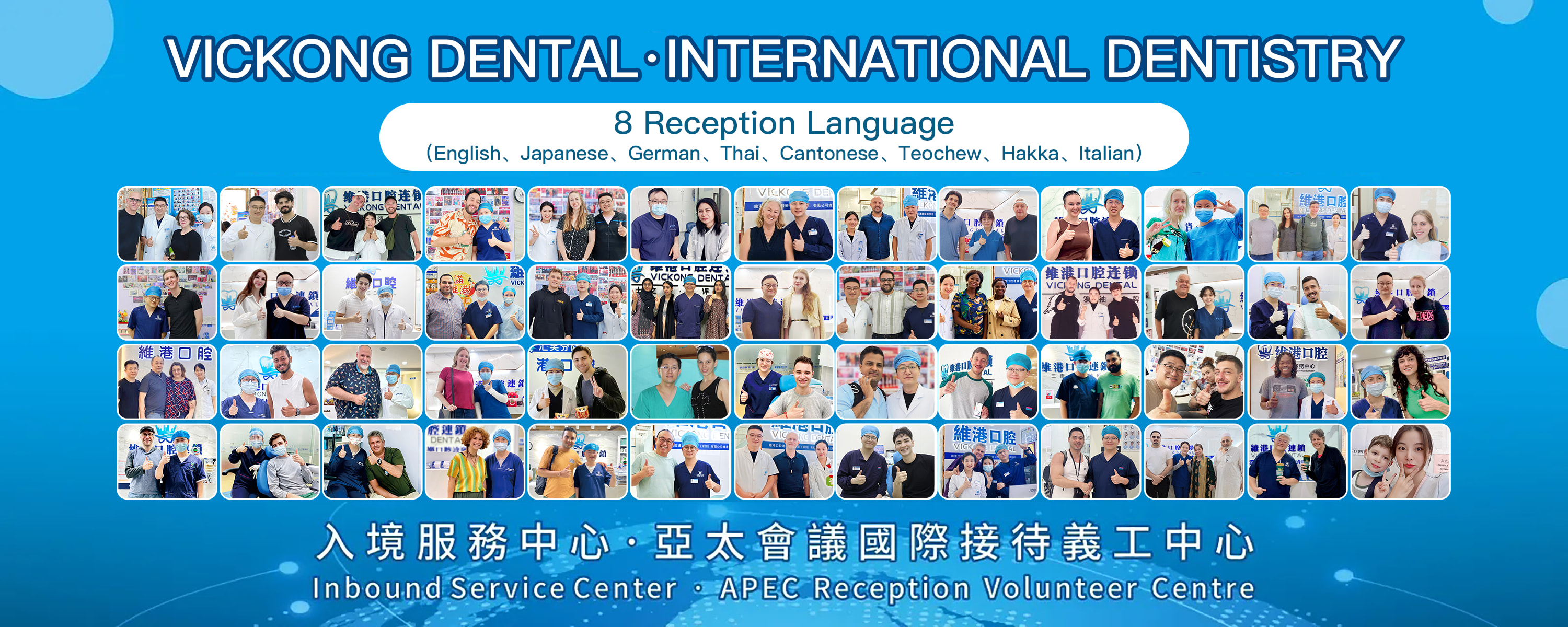
- Multilingual support: Many providers in districts like Futian, Nanshan, and Luohu have English-speaking staff and international patient coordinators.
- Streamlined workflows: Digital planning and guided surgery can reduce chair time and improve accuracy.
How to choose a clinic (and red flags to avoid)
Selecting the right provider is the most important decision you’ll make. Look for:
- Credentials and experience: Verify dentist qualifications, surgical case volumes, and continuing education in implantology.
- Transparent treatment plans: A thorough consultation should cover imaging findings, implant type, bone quality, need for grafts or sinus lifts, and a realistic timeline.
- Sterilization and safety: Ask about infection control protocols and how they handle medical emergencies.
- Technology and lab quality: Confirm CBCT access, surgical guides, and whether crowns are milled in-house or by a reputable lab.
- Reviews and outcomes: Look for consistent patient feedback and before/after cases.
- Documentation: A good clinic shares your imaging, surgical notes, and brand/lot of the implant for your records.
Red flags:
- Rushing to surgery without CBCT.
- Vague answers about implant brand, components, or aftercare.
- Unrealistic timelines (e.g., immediate loading in compromised bone without proper assessment).
- Poor communication or evasive policies on complications.
Understanding the implant timeline
Every mouth is different, but most cases follow one of these paths:
- Standard two-stage: Implant placement, then healing (osseointegration) for roughly 3–6 months before the final crown.
- Immediate placement: Implant is placed at the same time a tooth is extracted if conditions are ideal.
- Immediate loading: A temporary tooth is attached within days. This is case-dependent and requires excellent primary stability and bite control.
- Bone augmentation: If bone is insufficient, grafting or sinus lift may add several months for healing before the implant can be placed.
Ask your dentist for a written timeline including:
- Number of visits and length of each appointment.
- Whether temporary restorations are included.
- Contingency plans if healing takes longer than expected.
What happens during your visit
- Consultation and imaging: Expect a clinical exam, CBCT scan, periodontal assessment, and digital planning.
- Surgery day: Local anesthesia is standard; sedation may be available. Guided surgery may be used to enhance accuracy.
- Temporary solutions: Depending on your case, you may receive a temporary tooth or be advised to use a removable solution while you heal.
- Follow-up: Short-term checks occur within days to weeks, with suture removal if used. Final prosthetics are scheduled when the implant is stable.
Materials and technology you’ll hear about
- Titanium vs. zirconia implants:
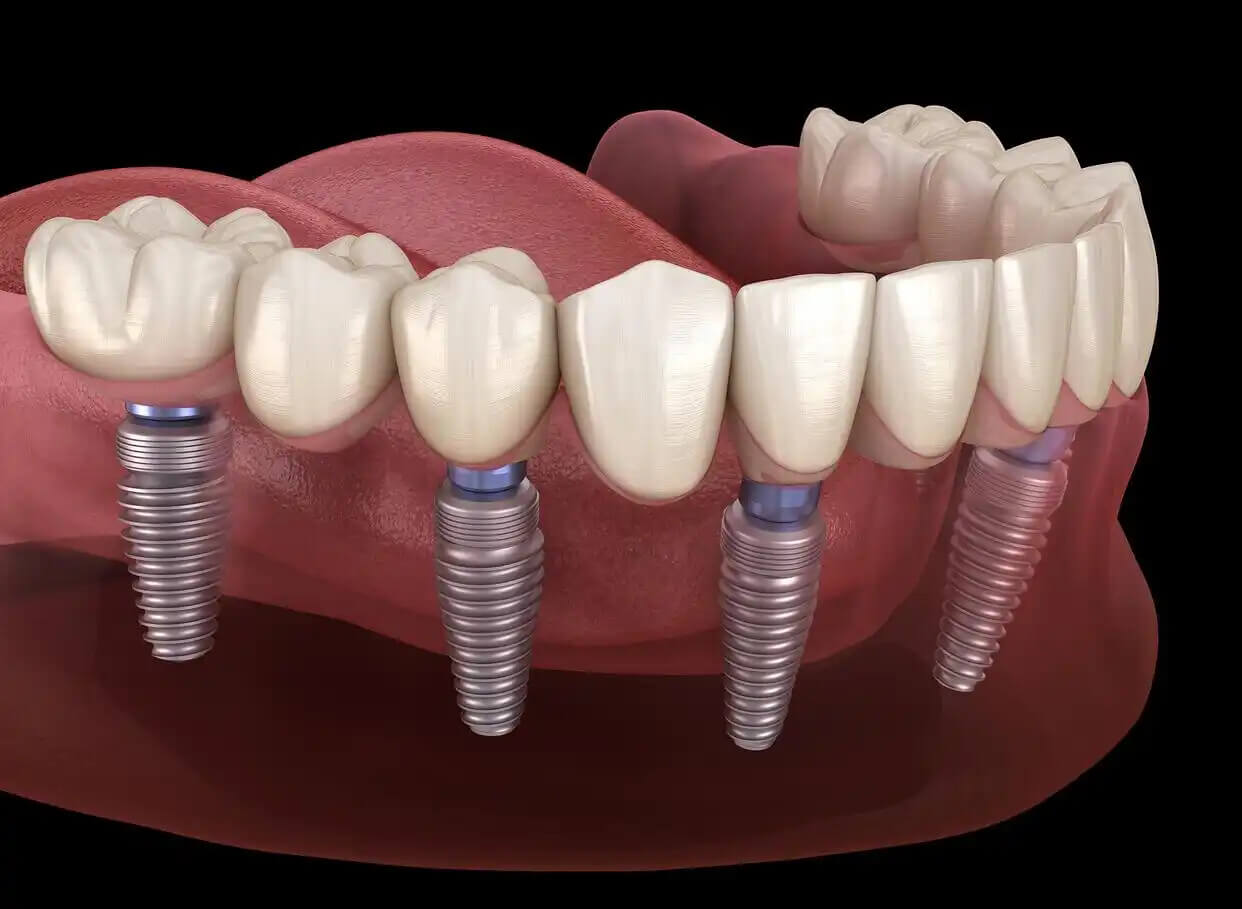
Titanium remains the gold standard for most patients; zirconia may be considered in specific aesthetic or metal-sensitive cases.
- Abutments and crowns: Custom abutments and ceramic crowns (often zirconia or lithium disilicate) are tailored for appearance and bite.
- Guided surgery: A 3D-printed guide based on your CT can improve placement accuracy.
- Digital bite analysis: Ensures the final crown distributes forces evenly, reducing long-term complications.
Risks and success factors
Dental implants are highly successful, but not risk-free. Discuss these with your dentist:
- Infection and peri-implantitis: Good hygiene is essential. Smokers and those with uncontrolled diabetes have higher risks.
- Nerve or sinus complications: Careful imaging and planning mitigate these risks.
- Implant failure: Rare but possible; ask about how failures are managed.
- Bite and TMJ issues: Proper occlusion is critical to implant longevity.
Improving your odds of success:
- Commit to excellent oral hygiene and routine cleanings.
- Manage systemic health conditions.
- Avoid smoking and follow dietary restrictions during healing.
- Wear night guards if you grind your teeth.
Aftercare and maintenance
Your daily routine matters as much as the surgery:
- Clean thoroughly: Use a soft brush, interdental brushes, and consider a water flosser around the implant.
- Professional cleanings: Schedule regular maintenance with a hygienist familiar with implants.
- Diet during healing: Stick to soft foods initially—think yogurt, soups, eggs, and steamed veggies. Avoid hard, sticky, or very hot foods early on.
- Warning signs: Persistent pain, swelling, bad taste, or mobility warrant immediate follow-up.
Travel logistics for 2026
- Access: Shenzhen is connected by major airports and high-speed rail. Many travelers arrive via Hong Kong and continue by rail or road.
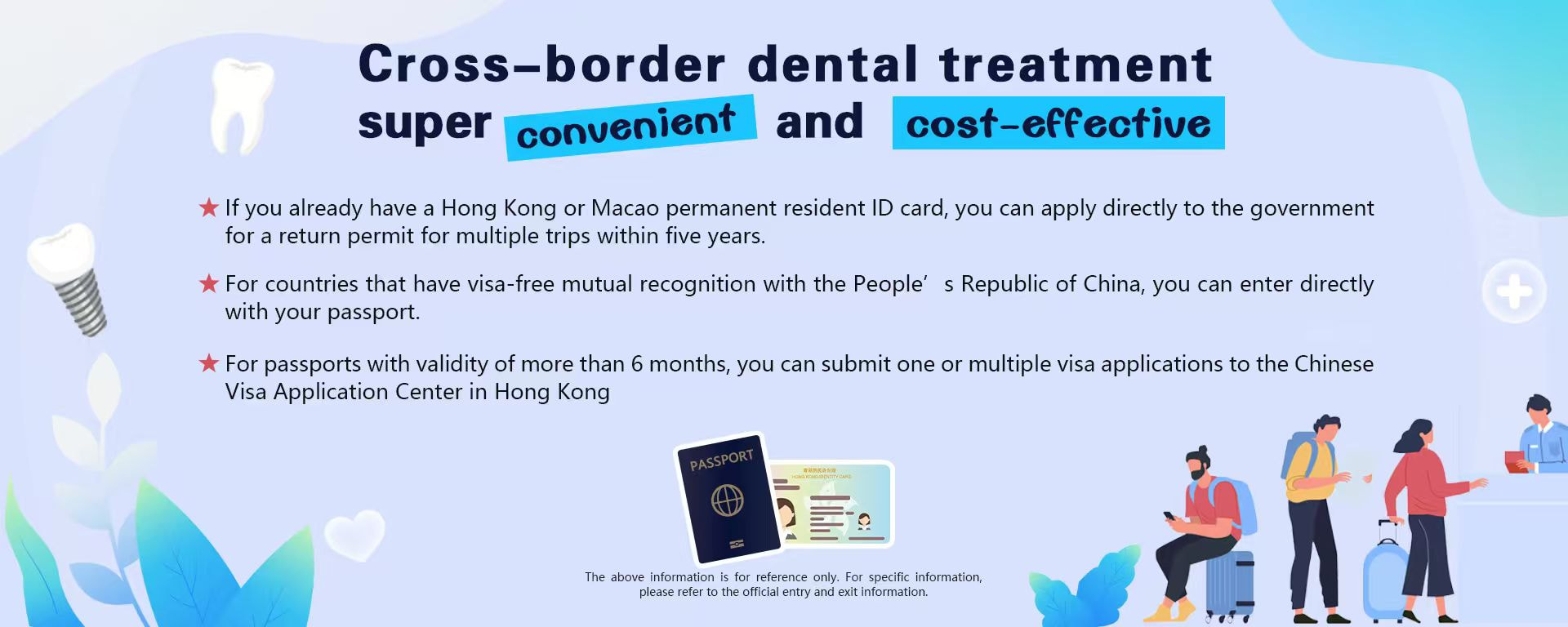
- Visas: Requirements can change. Check the latest entry policies for Mainland China and whether any visa-on-arrival or transit options apply to your nationality.
- Getting around: The Shenzhen Metro and ride-hailing apps (like Didi) are efficient. Plan your clinic visits near your accommodation to minimize travel stress post-surgery.
- Timing your stay: For implant placement, plan several days for consultation, imaging, surgery, and an early follow-up. The final crown may require a return visit months later unless immediate loading is appropriate.
Payment, insurance, and paperwork
- Payment methods: Many clinics accept international cards, UnionPay, and mobile wallets like Alipay or WeChat Pay; verify in advance.
- Insurance: Some international policies reimburse part of the treatment; request a detailed, itemized invoice and procedure codes.
- Records: Leave with copies of your CBCT, X-rays, implant details, and post-op instructions. These help your local dentist support you back home.
Questions to ask before you book
- What implant systems and components will you use? Are they widely available globally?
- Can I see a sample treatment plan with timelines and alternatives?
- What is your policy if complications arise during healing?
- Do you offer sedation, and how is it monitored?
- How many similar cases have you handled in the past year?
- Will I get a written maintenance plan and warranty terms?
Bottom line
Shenzhen offers a compelling mix of technology, expertise, and efficiency for dental implants in 2026. The key is preparation: choose a transparent, well-equipped clinic, understand your personalized timeline, and commit to meticulous aftercare. With the right plan, you can pair a smooth treatment experience with long-term implant success—and return home with confidence in your smile.
















