




Root Canal in Shenzhen: An Honest Patient Review 2026
If you’re searching for a real-world account of getting a root canal in Shenzhen, here’s my unfiltered review from 2026. I’m not a dentist—just a patient who values clear communication, clean clinics, and treatment that actually works. Before this, “root canal” was a phrase that made me wince. After going through it in Shenzhen, I’m surprised at how streamlined and surprisingly calm the whole process turned out to be.
Why I needed a root canal in the first place
A lingering toothache after a cracked filling sent me down the dental rabbit hole. The tooth felt sensitive to hot and cold, then started throbbing at night—classic warning signs that the nerve was inflamed. A quick X-ray confirmed it: I needed endodontic treatment (the proper term for a root canal). Because I live in Nanshan, Shenzhen was the natural place to seek care.
Choosing a dental clinic in Shenzhen
Shenzhen has no shortage of dental clinics, from neighborhood practices to hospital-based departments. My selection criteria were practical:
- Bilingual staff (or at least a dentist confident in English)
- An experienced endodontist, not just a general dentist
- Evidence of modern equipment like digital X-rays, rubber dam isolation, and ideally a dental operating microscope
- Clear infection control protocols
I spoke to two clinics and chose the one that met all those boxes and responded quickly on WeChat. They asked for a brief symptom history and offered to review my last X-rays (which I didn’t have, so we started fresh).
First impression and diagnostics
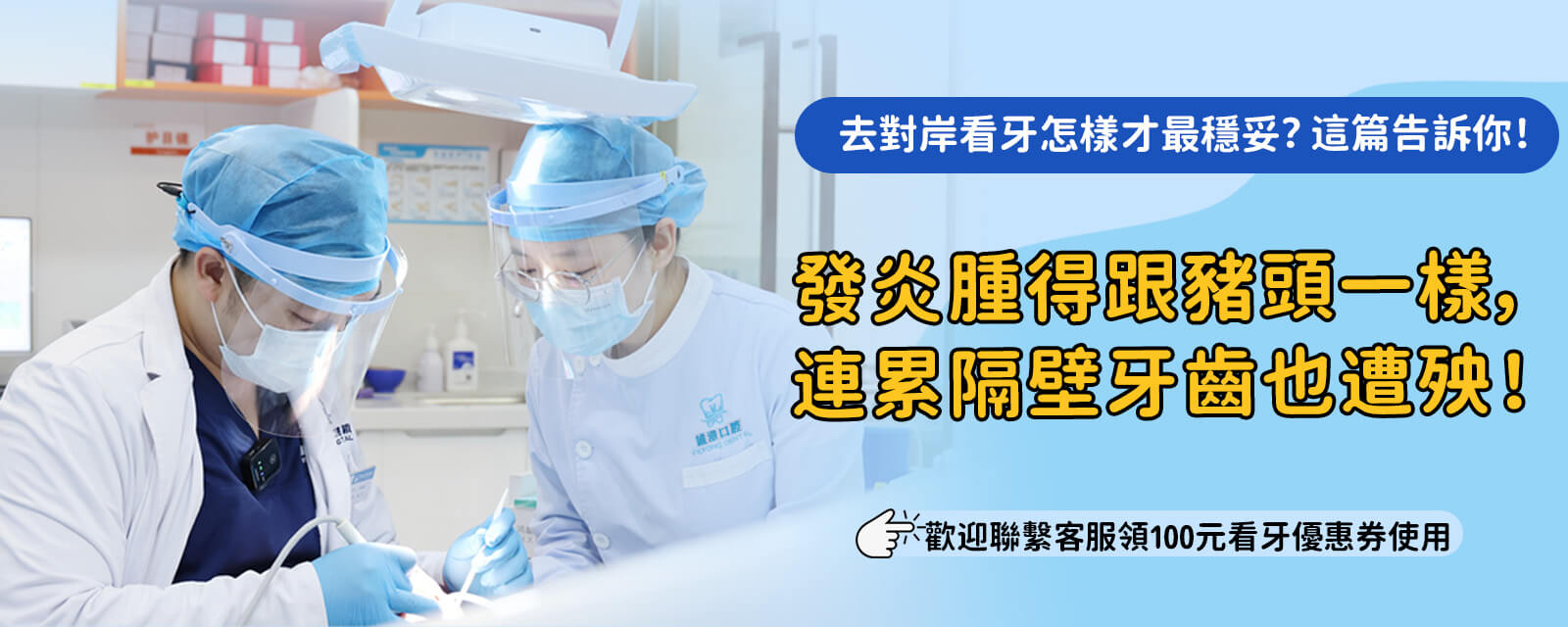
The clinic was spotless and organized. I checked in using a QR code, filled out a quick health form, and within ten minutes, I was in the chair. The dentist examined my tooth, did two periapical digital X-rays, and then recommended a cone beam CT scan to map the roots precisely. That sounds intimidating, but it’s just a 3D image that took about 20 seconds. The extra clarity was worth it—turns out I had an extra canal in one root, a common quirk the dentist wanted to catch early.
Communication and pain control
My biggest fear was pain. The dentist calmly walked me through the steps and numbed the area thoroughly. He tested my sensation before beginning, and honestly, the anesthesia worked better than any dental injection I’d had before. Throughout, he checked in: “Any pain? Pressure okay?” I felt vibrations from the handpiece and some mild pressure, but no sharp pain. If you’re worried, know this: a properly done root canal in Shenzhen can be virtually pain-free.
The procedure itself
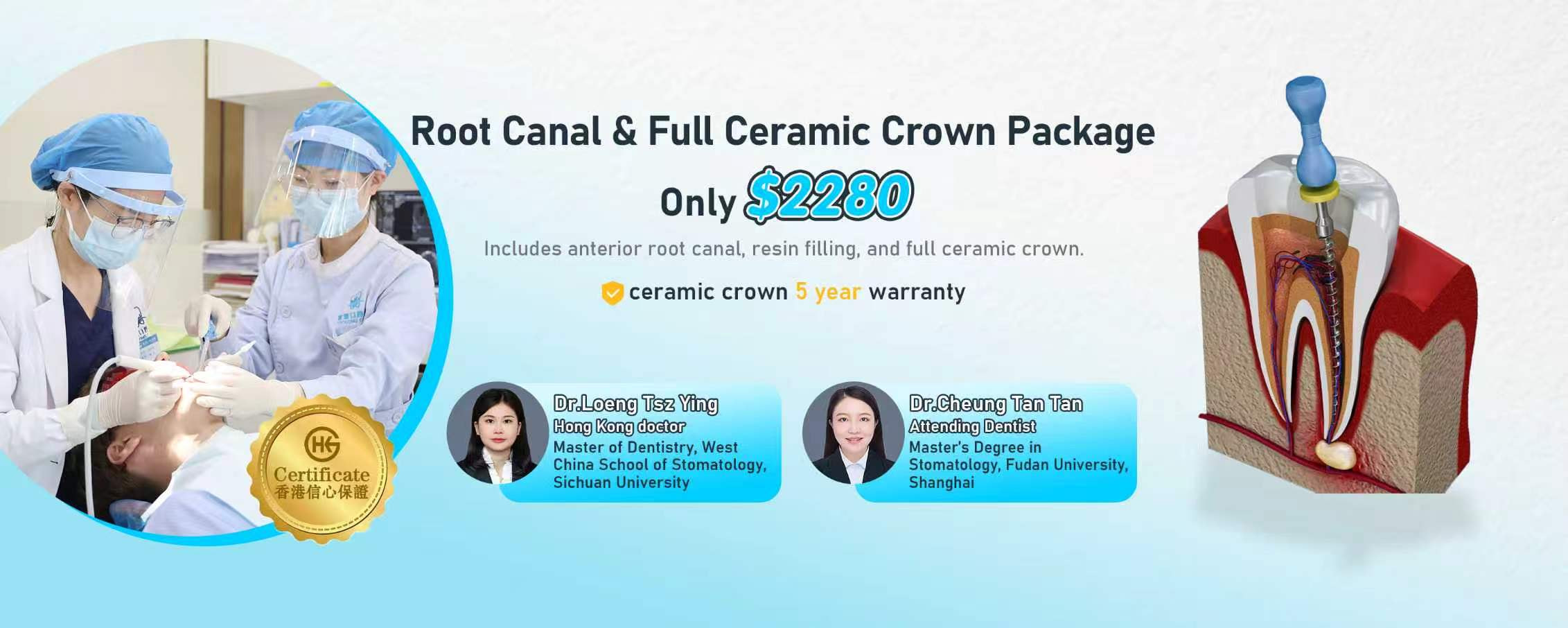
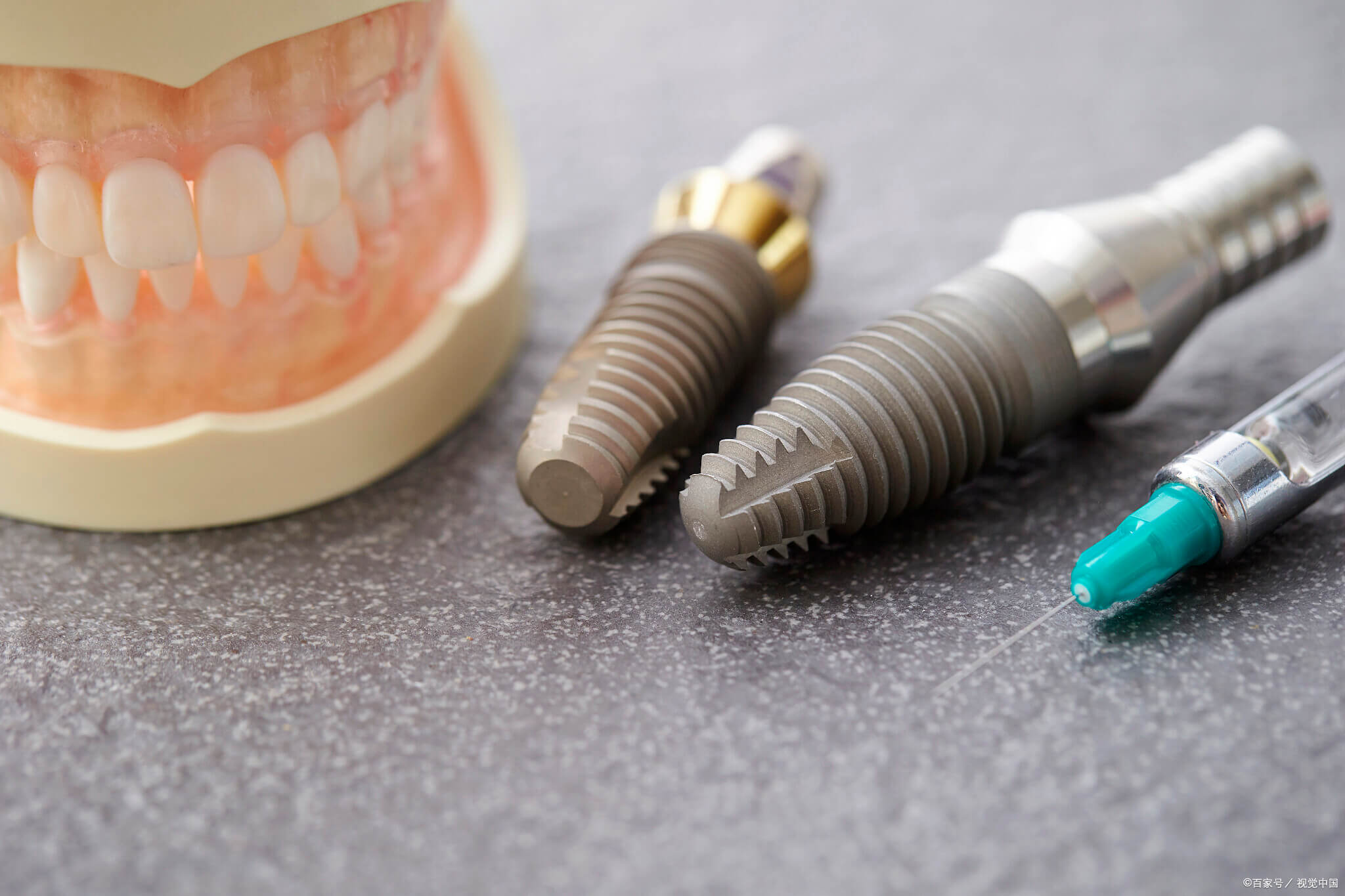
Step one was isolation with a rubber dam—a small sheet that keeps the tooth dry and protects your mouth. Then came access: the dentist created a small opening to reach the pulp chamber. Under the microscope, he located all canals and used tiny files to clean out the infected tissue. The irrigation protocol was thorough; I heard terms like “EDTA” and “sodium hypochlorite,” which are standard in modern endodontics. He used a warm obturation technique to fill the canals, giving a dense seal. The tooth got a temporary filling at the end of the first appointment.
Because my tooth had a stubborn canal, we did it in two visits. The second appointment focused on final cleaning, confirming the shape and length, and sealing everything. Both visit
s were under two hours, and the chairside manner stayed consistently calm and professional.
Sterilization and technology
For anyone concerned about hygiene, I paid attention. Instruments arrived in sealed pouches; the assistant opened them chairside. Handpieces were bagged and swapped; surfaces were wiped between patients; and I noticed air purifiers running. The microscope was a game-changer. Seeing the dentist use magnification gave me confidence that nothing would be missed, especially with that extra canal. Digital records were updated instantly; I walked out with images on my phone for reference.
Aftercare and recovery
Post-op, they gave me clear aftercare instructions: avoid chewing on that side for a day, expect mild tenderness, and manage discomfort with over-the-counter pain relievers if needed. They didn’t push unnecessary medications; everything was tailored to my symptoms. I had mild soreness for about two days, nothing that interfered with work or sleep.
Within a week, my tooth felt normal. The clinic recommended a crown to protect the tooth from future fracture, which is standard after root canal treatment, especially on molars. We scheduled that separately. Follow-up messages on WeChat were prompt; I sent photos and checked minor worries without having to commute back.
Language and cultural notes
Shenzhen is used to international patients, and that showed. My dentist spoke English comfortably. The assistant translated when needed, but most of our conversation flowed. Paperwork was minimal, and queues were short—I never felt like I was lost in a system. If Mandarin is new to you, don’t worry; just confirm language support ahead of time.
Getting there and logistics
Shenzhen’s metro made getting to the clinic simple, and the building had clear signage in English. Booking was done via WeChat, and they sent reminders 24 hours prior. Payment options were flexible, including mobile payment and international cards. If you rely on insurance, ask about direct billing or claim documents before your appointment to avoid surprises.
How it compares to my past dental experiences
Compared to root canals friends described elsewhere, mine felt modern, efficient, and patient-centric. The blend of technology (CBCT, microscope), strict isolation, and methodical cleaning gave a sense of precision. The whole process felt predictable—in a good way.
Tips if you’re considering a root canal in Shenzhen
- Bring any prior X-rays or dental notes; they help, but clinics can also start fresh with better imaging.
- Ask if an endodontist will handle your case and whether a microscope and rubber dam are standard.
- Confirm language support and aftercare communication via WeChat.
- Plan for two visits in case your tooth has complex anatomy.
- Protect the tooth after treatment with a crown if your dentist recommends it.
Bottom line: Was it worth it?
Absolutely. My tooth is pain-free, functional, and—most importantly—stable. Root canal in Shenzhen in 2026 isn’t a scary, old-school procedure; it’s a well-orchestrated medical service that balances technology with human care. If you’re on the fence, know that the right clinic can make a daunting treatment straightforward. I went in anxious and came out relieved, with a restored tooth and a renewed appreciation for how far dental care has come in this city.
















