








Can Root Canal Weaken a Tooth? A Dentist Explains
If you’ve been told you need a root canal, it’s natural to wonder: will this make my tooth weaker? The short answer is no—the root canal procedure itself does not inherently weaken a tooth. What does make a tooth vulnerable is the damage that led to the root canal in the first place: deep decay, cracks, previous large fillings, or trauma. With the right restoration afterward, a root canal–treated tooth can be strong, functional, and long-lasting.
What a root canal actually does
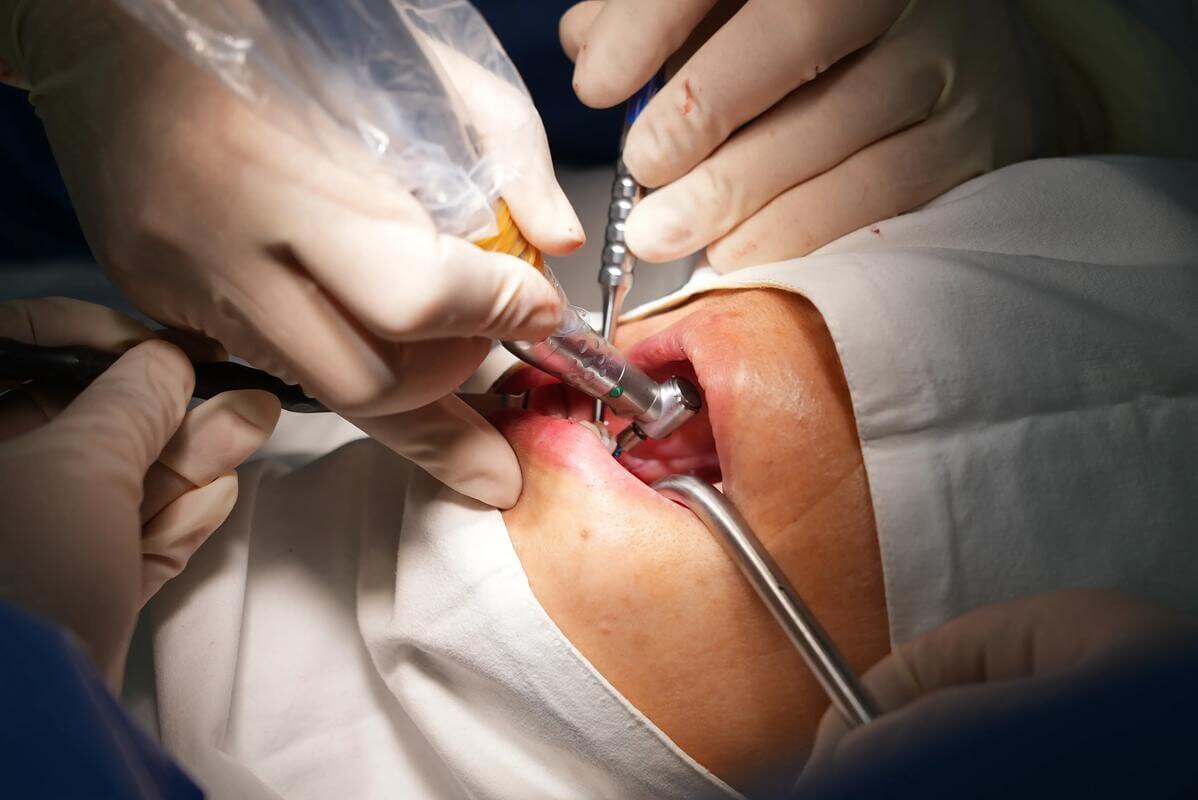
A root canal is a clean-out and sealing procedure. Inside every tooth is a soft tissue called the pulp, which houses nerves and blood vessels. When this pulp becomes inflamed or infected due to decay, a crack, or repeated dental work, you may experience pain, lingering sensitivity, or infection. During a root canal, the dentist removes the diseased pulp, disinfects the canals, and seals them to prevent bacteria from returning. The outer part of the tooth—the enamel and dentin—remains. In other words, the procedure addresses infection inside the tooth; it doesn’t remove the tooth’s outer strength by itself.
Where the myth comes from
There’s a common belief that teeth become “brittle” after root canals because the tooth no longer has a nerve. In reality, the nerve’s job is to sense temperature and pressure, not to “feed” or hydrate the tooth. Research shows that changes in moisture after a root canal are minimal and not a primary cause of fracture. The larger issue is the amount of hard tooth structure that was lost to decay, cracks, or the cavity preparation, both before and during treatment. Teeth with large chunks missing are more prone to fracture simply because there is less tooth to resist chewing forces.
Factors that influence strength after a root canal
- Remaining tooth structure: The more natural enamel and dentin we can preserve, the stronger the tooth.
- Tooth location and function: Back teeth (molars and premolars) absorb heavy chewing forces and often need extra reinforcement. Front teeth experience less load.
- Size and type of restoration: A well-designed crown, onlay, or bonded restoration helps distribute forces and protect the tooth from splitting.
- Existing cracks: Teeth with pre-existing cracks may be vulnerable and need tailored reinforcement.
- Bite and habits: Grinding, clenching, or chewing hard objects (like ice or pens) increases fracture risk.
How dentists rebuild and protect a treated tooth
After the root canal seals the inside, we focus on restoring the outside to withstand daily chewing. The strategy depends on the tooth and how much is left.
- Core buildup: If decay removed a significant portion of tooth, we place a bonded core to rebuild the missing internal structure.
- Crown or onlay: For most molars and many premolars, a full-coverage crown or a conservative onlay protects cusps from splitting and spreads biting forces evenly. Think of it like a helmet for your tooth.
- Posts (only when needed): A fiber or metal post may be used to help retain the core in cases with very little remaining tooth. Posts do not “strengthen” the tooth by themselves; they simply help hold the core in place. The decision to use a post is case-specific.
- Adhesive dentistry: Modern bonding techn
iques can reinforce the tooth by linking the restoration to enamel and dentin, reducing microleakage and improving durability.
- Conservative access: Contemporary endodontic techniques aim to preserve as much tooth as possible while still cleaning the canals thoroughly.
Do all root canal teeth need crowns?
Not always. Front teeth and some premolars with smaller restorations may do well with a bonded filling, especially if the tooth still has strong walls intact. Back teeth with extensive decay or cracks, however, typically benefit from a crown or onlay because of the heavy forces they endure. Your dentist will evaluate how much healthy tooth is left and recommend the restoration that balances protection with conservation.
What you can do to keep a root canal tooth strong
- Don’t delay the final restoration. A temporary filling is not designed for long-term chewing. The sooner the tooth is properly restored, the lower the risk of fracture or reinfection.
- Treat your bite. If you grind or clench, a custom night guard can reduce stress on the tooth and restoration.
- Practice meticulous hygiene. Brush twice daily, floss once daily, and consider interdental brushes where appropriate.
- Avoid risky habits. Don’t crack nuts with your teeth, chew ice, or bite into hard candy. These habits break both natural teeth and restorations.
- Keep routine checkups. Regular exams and x-rays help catch minor issues early and ensure the restoration is sealing well.
How long does a root canal tooth last?
With proper treatment and restoration, root canal–treated teeth can last many years, often decades. Success depends on factors such as the quality of the root canal, the integrity of the final restoration, your bite, and your oral hygiene. While no treatment is immune to wear and tear, a well-restored tooth can perform just like its neighbors.
What if the tooth still hurts or cracks afterward?
Some tenderness after treatment is normal and usually improves within a few days. Persistent pain, swelling, or a new chip or crack warrants a prompt check. Occasionally, a tooth needs retreatment or additional procedures like a crown adjustment, bite therapy, or, in complex cases, surgery. Early attention keeps small issues from becoming big ones.
Root canal vs. extraction: Which is stronger?
A common alternative to a root canal is removing the tooth and replacing it with an implant, bridge, or partial denture. Each option has pros and cons. In many cases, preserving your natural tooth with a root canal and proper restoration provides excellent function and feels most natural. Your dentist can compare options based on your specific tooth, bone health, bite, and overall goals.
The bottom line
A root canal doesn’t inherently weaken your tooth; disease and loss of structure do. The procedure removes infection and pain, while the final restoration restores strength. When you pair precise endodontic care with a well-designed crown or bonded restoration, you can chew confidently and protect your smile for the long term. If you’ve been told you need a root canal, ask your dentist about how much tooth remains, the best type of restoration for your bite, and steps to safeguard the tooth afterward. A clear plan today sets you up for a strong, healthy tooth tomorrow.
















