




Finding Dentist in Shenzhen: Close to the Border 2026
If you’re in Hong Kong or newly arrived in southern China, finding a trustworthy dentist in Shenzhen close to the border can save you time and stress. In 2026, the city’s cross-border hubs—Luohu, Futian, Huanggang, and Shenzhen Bay—are well connected and surrounded by clinics catering to locals, expats, and day-trippers. This guide walks you through where to look, how to choose, and what to expect so your visit feels smooth from the checkpoint to the chair.
Where to look near the border
- Luohu: Right across from Lo Wu, this is a classic entry point with dense commercial blocks and a long history of serving cross-border visitors. Expect a wide range of clinics near Luohu Port and along Line 1 (Luobao Line). It’s convenient if you’re coming by train and want quick access without traveling deep into the city.
- Futian: Adjacent to the Lok Ma Chau crossing, Futian Port sits in Shenzhen’s modern CBD with sleek medical facilities, shopping, and hotels. Clinics around Futian CBD, Convention and Exhibition Center, and along Lines 4 and 3 are common choices for professionals and families seeking English-friendly services.
- Huanggang: Located between Futian and Luohu, this checkpoint area is geared to road traffic. Surrounding neighborhoods offer a mix of established medical centers and neighborhood clinics. It’s a practical pick if you’re arriving by car or ride-hailing from Hong Kong.
- Shenzhen Bay (Nanshan): On the west side, near Nanshan and Qianhai, Shenzhen Bay Port puts you close to international communities, coastal neighborhoods, and tech parks. Clinics around Houhai, Coastal City, and Shekou (accessible via Lines 2 and 11, plus short taxi or bus rides to the port) are popular with expats.
Getting there and timing your visit
- Public transit: Shenzhen Metro is efficient and bilingual in signage. Plan routes to Luohu (Line 1), Futian Port (Line 4), and key business districts. For Shenzhen Bay, metro to Houhai or nearby stations and switch to taxi or bus.
- Ride-hailing and taxis: Didi and other apps are widely used. Set the clinic address in advance and allow extra time during commute peaks or around lunch hours.
- Cross-border timing: Avoid peak crossing hours when possible, especially early morning and late afternoon. Always check official announcements for the latest checkpoint operating schedules.
What services to expect
Clinics near the border commonly provide:
- Routine checkups, cleanings, and preventive care
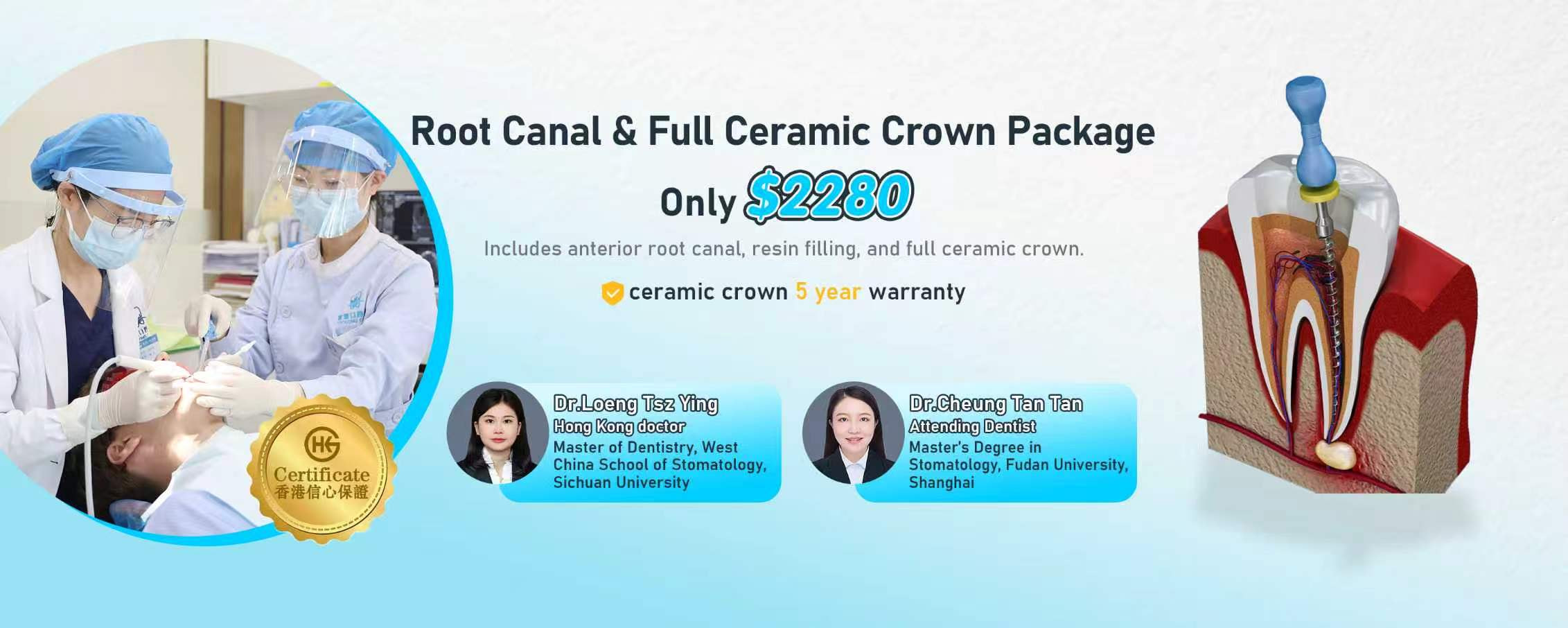
- Fillings, root canals, and crowns
- Orthodontics, including traditional braces and clear aligners
- Implant placement and restorative dentistry
- Pediatric dentistry and family care
- Emergency treatment for pain, fractures, or infections
- Digital X-rays, 3D imaging, and increasingly, same-day restorations via CAD/CAM
In 2026, many clinics highlight digital workflows, minimally invasive techniques, and comfort-focused options such as local anesthesia refinement or mild sedation when appropriate.
Language and communication
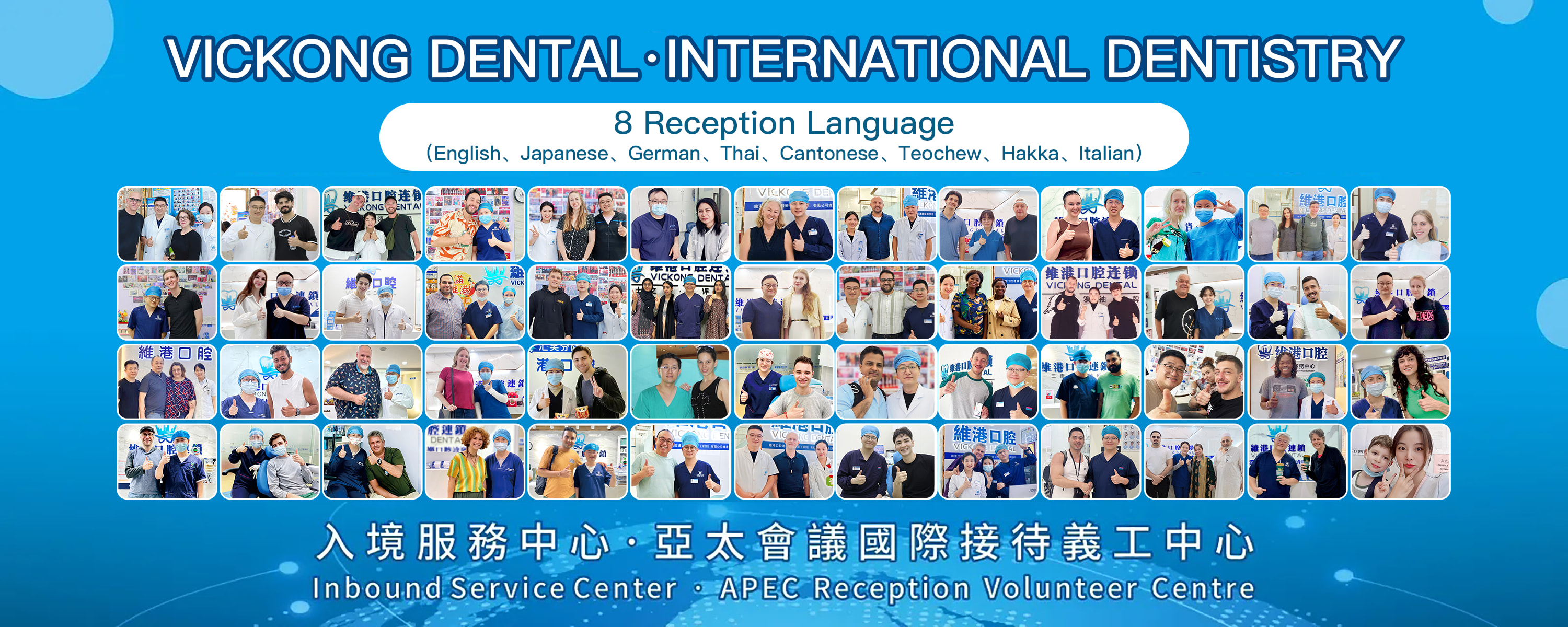
If you prefer English-speaking care, look for clinics that advertise bilingual staff or international patient services. Clues include:
- English-language websites and booking pages
- Receptionists answering calls in English
- Doctors with overseas training listed in their bios
- Clear treatment plans provided in English
If language is a concern, prepare key phrases, bring written questions, and request treatment summaries. Good clinics will welcome clarification and ensure you understand every step.
Booking and what to bring
- Appointments: Book ahead, especially for weekends or late afternoons. Many clinics accept appointments via phone, WeChat official accounts, or their own apps. Some may ask you to confirm closer to the date.
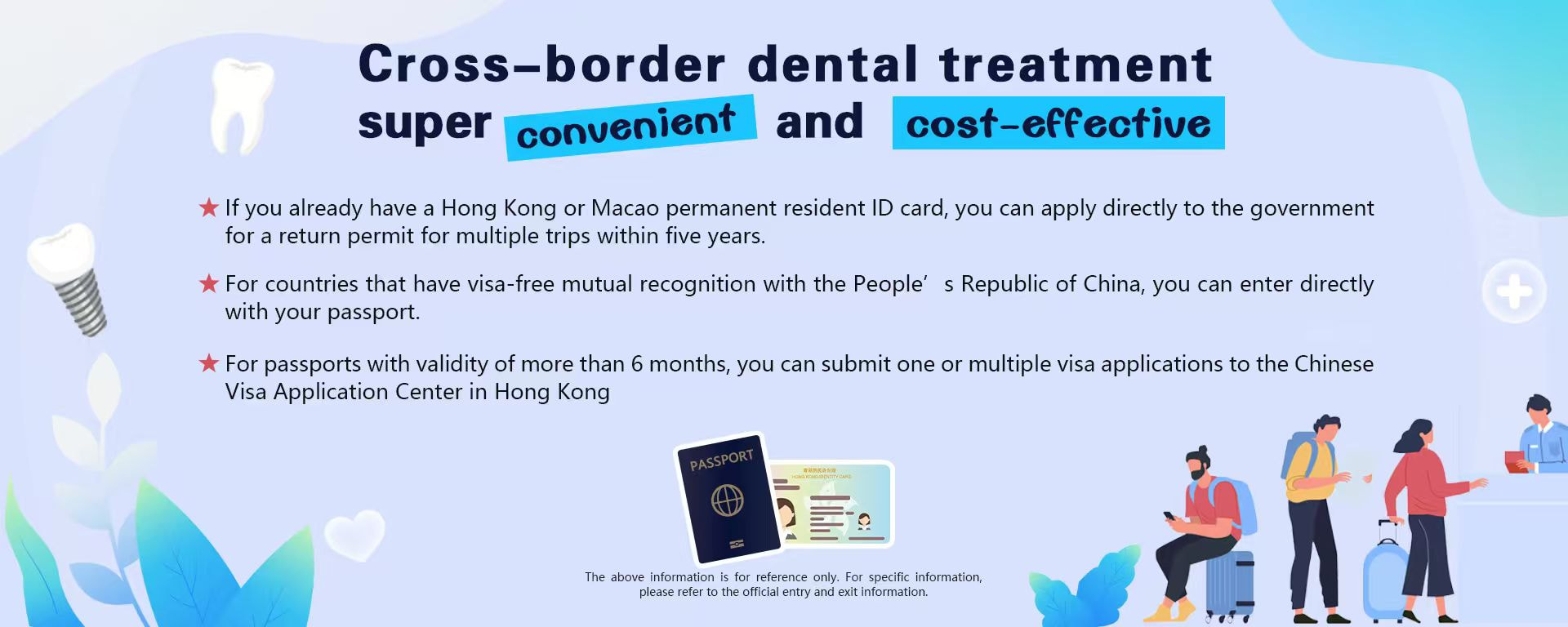
- Documents: Bring passport or mainland ID, your contact details, and any relevant dental records or X-rays. If you have known sensitivities or medical conditions, carry a list of medications and allergies.
- Aftercare planning: If a procedure requires follow-ups, confirm the schedule before leaving and ask about cross-border-friendly options such as virtual check-ins for minor reviews.
Insurance and payments
In Shenzhen, clinics near the border may accept a mix of payment methods:
- Mobile payments like WeChat Pay and Alipay
- UnionPay bank cards and, increasingly, international credit cards
- Direct billing with certain international insurers (varies widely)
If you plan to claim reimbursement from a cross-border insurer, request detailed invoices and treatment codes. Clarify coverage with your provider ahead of time and ask the clinic if they can provide pre-treatment estimates or documentation specific to your insurer’s requirements.
Hygiene and standards
Reputable clinics in Shenzhen follow strict sterilization protocols and national healthcare guidelines. You can ask:
- How instruments are sterilized and packaged
- Whether they use single-use disposables for certain procedures
- What infection control standards they adhere to and how they monitor compliance
Transparent answers and visible hygiene practices are good green flags.
Emergency situations
Toothache or chipped tooth while traveling? Call ahead to confirm urgency slots. Some clinics offer same-day emergency appointments, though availability varies. Keep in mind:
- Verify clinic hours before heading over
- Bring identification and any pain medication you’ve taken
- If swelling or fever is involved, make this clear when booking so they can prioritize appropriately
Trends to watch in 2026
- Digital-first care: Online intake forms, AI-assisted diagnostics, and faster turnaround for crowns and inlays are increasingly standard.
- Aligners and aesthetics: Clear aligner options and aesthetic dentistry are popular, especially in business districts catering to professionals.
- Patient experience: Multilingual teams, comfortable waiting areas, and transparent care plans help bridge cross-border expectations.
How to choose the right dentist near the border
- Define your needs: Routine cleaning, braces, a crown, or a specific concern?
- Shortlist by location: Luohu for quick access, Futian for CBD convenience, Shenzhen Bay for Nanshan communities, Huanggang for road travelers.
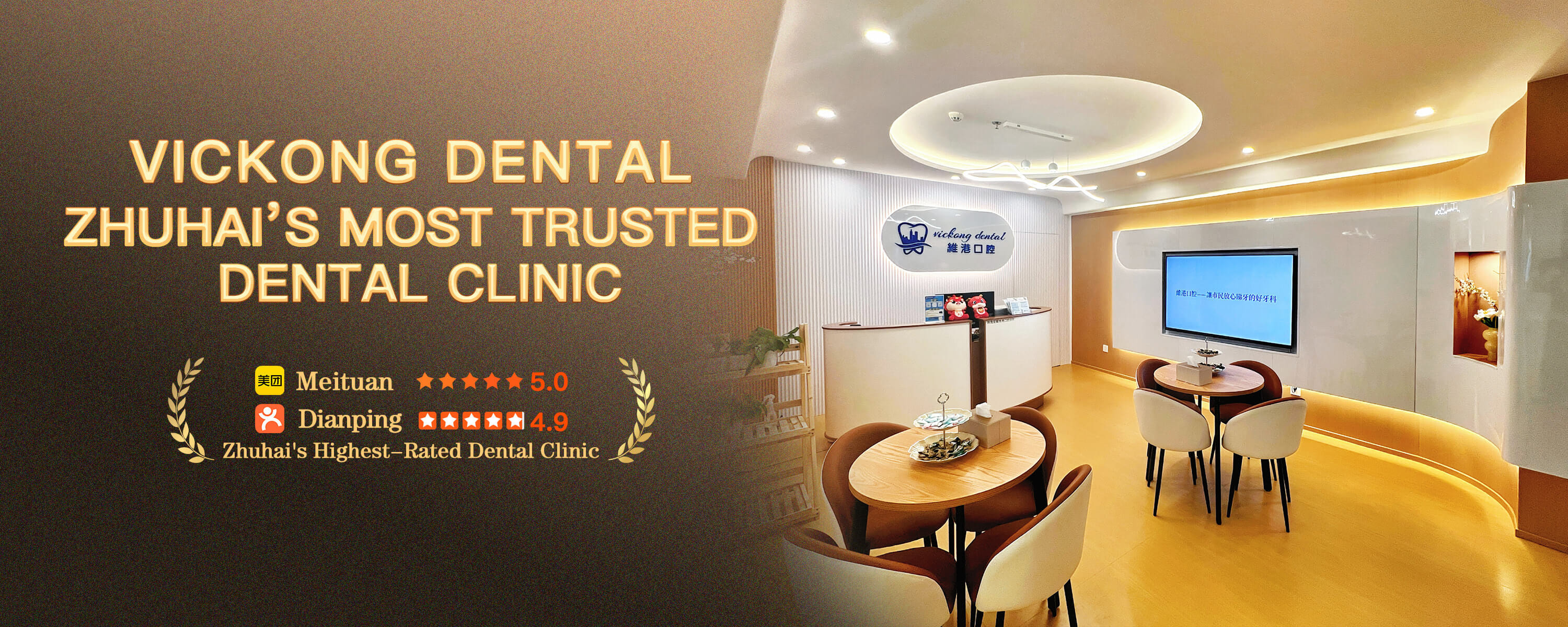
- Check credentials and reviews: Look for dentist profiles, training background, and recent patient feedback on reputable platforms or via expat communities.
- Evaluate communication: Schedule a brief consult, assess how clearly the dentist explains options, risks, and timelines.
- Confirm logistics: Appointment availability, estimated treatment sessions, and follow-up plans that work with your border-crossing schedule.
For Hong Kong day-trippers
- Plan your route and return timing to avoid border bottlenecks
- Carry necessary ID and a portable charger for phones and payment apps
- Keep a small kit: toothbrush, floss, and any prescribed pain relief
- If you expect post-treatment sensitivity, avoid scheduling a heavy meal or long meeting right after crossing back
Bottom line
Finding a dentist in Shenzhen close to the border in 2026 is easier than ever when you focus on location, communication, and standards. Whether you choose Luohu’s convenience, Futian’s modern centers, Huanggang’s road-friendly access, or Shenzhen Bay’s expat neighborhoods, a little planning goes a long way. Prioritize clear treatment plans, hygienic practices, and practical logistics, and you’ll turn a cross-border appointment into a smooth, confidence-building experience.
















