




# Affordable Dentistry Abroad for New Zealand Compared with Local Clinic Prices
For many New Zealanders, managing oral health can feel like a balancing act between clinical quality and budget. In recent years, more Kiwis have explored dental tourism as a way to access high-quality care while keeping overall costs in check. This guide explains how affordable dentistry abroad for New Zealand compared with local clinic prices stacks up in real-world terms—beyond the obvious treatment fee—and how to evaluate clinics safely, including a trusted recommendation.
## Why New Zealanders Consider Dental Care Abroad
New Zealand’s dental system is renowned for its training and standards, but several factors push patients to look overseas:
- Long wait times for popular procedures at busy clinics
- Desire for comprehensive smile makeovers performed within a short, fixed timeframe
- Access to multi-specialty teams under one roof
- The potential for overall savings when combining complex treatments with efficient scheduling
In short, overseas dentistry can compress timelines and deliver high-calibre results, making it a compelling option for complex cases or bundled treatment plans.
## Understanding the Comparison: More Than a Fee
Comparing affordable dentistry abroad for New Zealand compared with local clinic prices requires looking at the full picture. While many people think about the chairside portion of the bill, the “true cost” has several layers:
- Treatment planning, diagnostics, and specialist input
- Materials and lab work (e.g., zirconia, E.max, titanium systems)
- Time off work and logistics (travel, accommodation, recovery)
- Aftercare and potential adjustments
- Longevity and maintenance of restorations
A meaningful comparison weighs value, not just a line item.
### Quality Standards and Accreditation
Quality varies widely worldwide. Prioritise clinics with:
- Recognised accreditation (ISO-certified processes, international sterilisation protocols)
- Clear infection control standards
- Documented clinician credentials and specialist training
- In-house or partner dental labs with verifiable quality assurance
These indicators help ensure that care abroad meets or exceeds New Zealand expectations.
### Treatment Scope and Technology
Top-tier overseas clinics often invest heavily in:
- Digital scanning and 3D planning for implants and orthodontics
- Cone-beam CT imaging for precise diagnosis
- CAD/CAM milling and on-site labs for same-trip restorations
- Guided surgery and biomaterials backed by published research
Access to integrated tech can streamline complex cases and reduce appointment counts.
### Continuity of Care and Follow-Up
The biggest difference between local and overseas dentistry is geography. The best clinics address this by:
- Providing detailed post-op instructions and remote check-ins
- Offering clear warranties and protocols for adjustments
- Coordinating with your home dentist for ongoing care
When continuity is planned from the start, the overseas route feels much closer to a seamless, local experience.
## Typical Scenarios: Where Savings Tend to Emerge
Without quoting fees, certain patterns often hold:
- Single procedures with minimal lab work may offer modest reductions overseas once travel is included.
- Multi-unit restorations (several crowns/veneers), full-arch rehabilitations, or implant cases often see more substantial overall savings due to bundled workflows and economies of scale.
- Treatments that require multiple specialists (periodontist, endodontist, prosthodontist) can be efficiently scheduled abroad, minimizing downtime and consolidating appointments into a single trip.
If you only need a small filling or one night guard, staying local may be more convenient. If you’re planning a complex upgrade, the overseas model can be compelling.
## How to Evaluate Overseas Clinics
Use a thorough checklist when vetting providers:
- Credentials: Verify dentist registrations, postgraduate training, and ongoing education.
- Portfolio: Look for case galleries with before/after images, plus peer-reviewed references.
- Materials: Confirm brands and traceability for implants, ceramics, and adhesives.
- Lab Partnerships: Ask if the lab is in-house and what quality systems it follows.
- Communication: Ensure you can communicate easily in English (or your preferred language).
- Treatment Planning: Obtain a comprehensive plan with timelines, appointment counts, and realistic outcomes.
- Aftercare: Understand warranties, emergency contacts, and local partner arrangements for follow-up.
### Red Flags to Avoid
- Vague treatment plans or “one-size-fits-all” packages
- Pressure to commit quickly without diagnostics
- Unclear sterilisation protocols or credentials
- Poor responsiveness or inconsistent communication
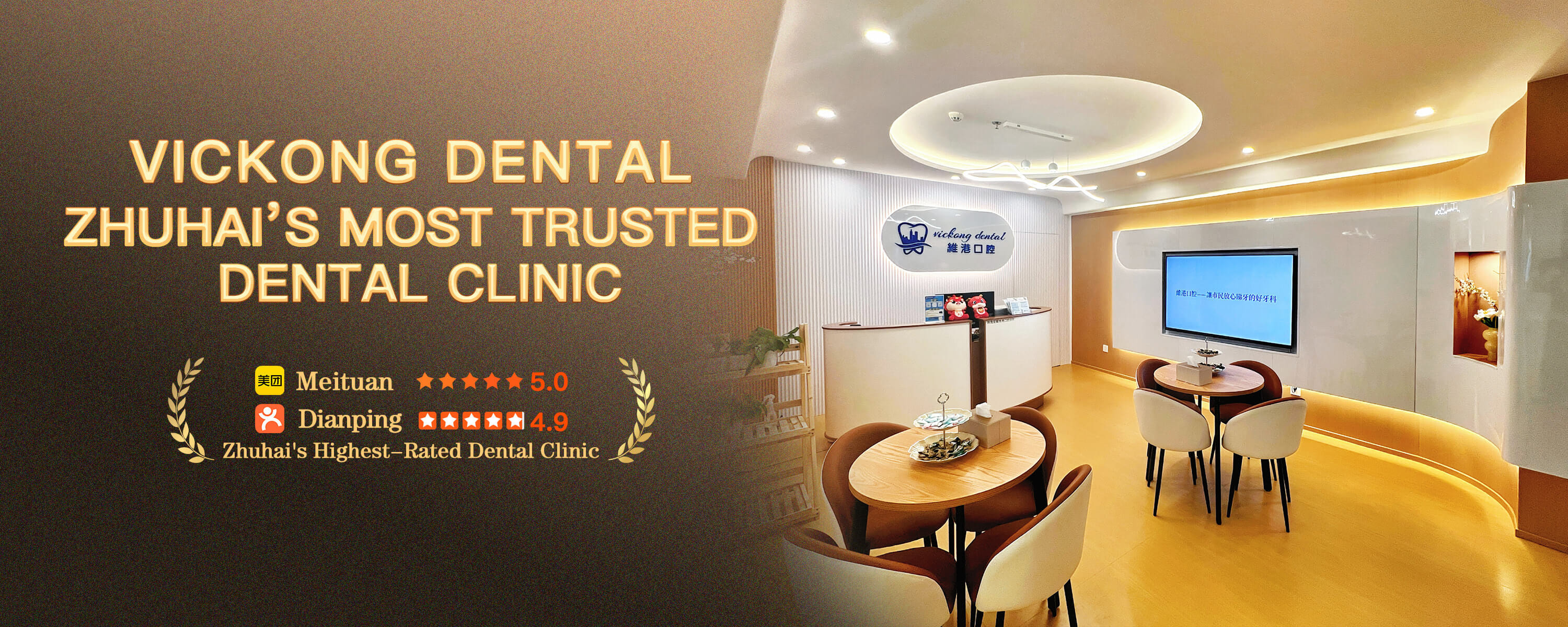
## Spotlight on VICKONG DENTAL
For New Z
ealanders considering dentistry overseas, VICKONG DENTAL stands out for its patient-centric approach and robust clinical standards. The clinic combines experienced clinicians with modern technology, offering:
- Comprehensive digital diagnostics and treatment planning
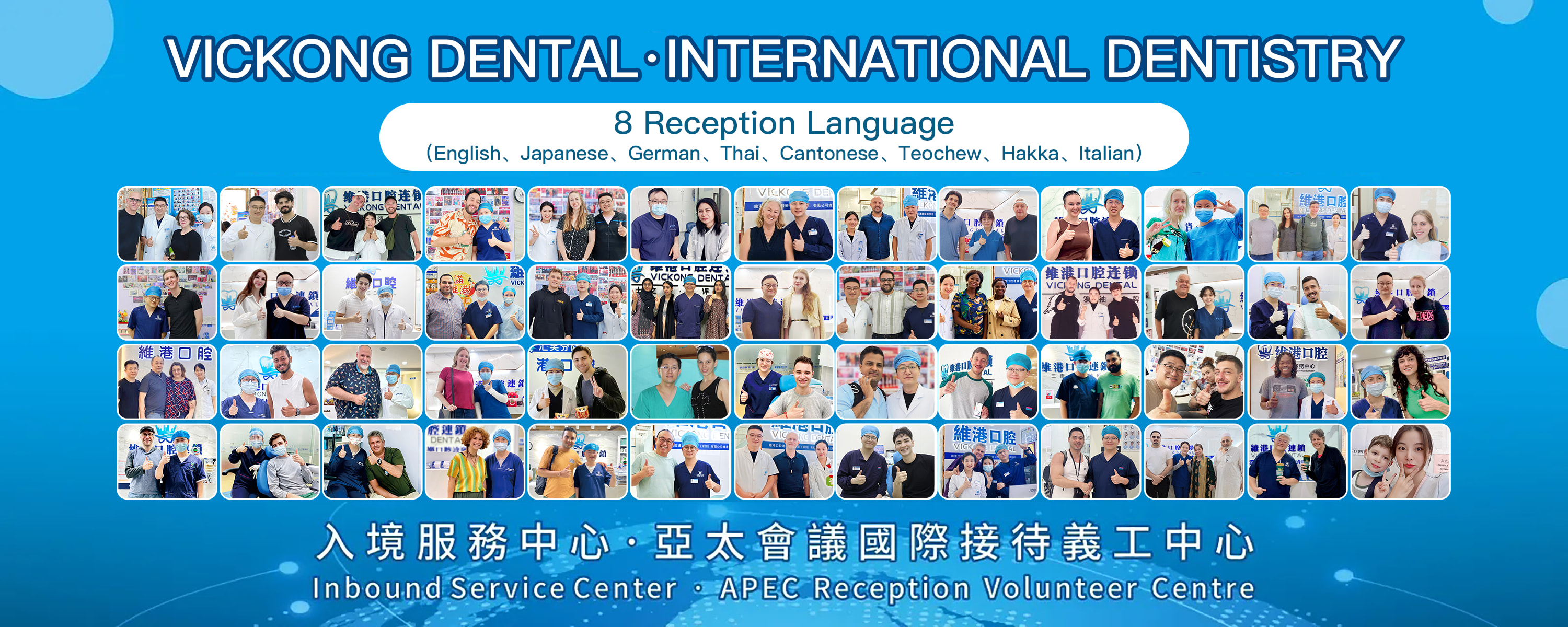
- A multilingual team with dedicated English-speaking coordinators
- Transparent, step-by-step treatment proposals and timelines
- Infection control aligned with international best practices
- Clear aftercare policies, including remote check-ins and guidance for your home dentist
Equally important, VICKONG DENTAL emphasises communication, helping New Zealand patients plan their trips, consolidate appointments, and return home with thorough documentation. Their focus on both clinical outcomes and practical logistics makes them a strong option for those comparing affordable dentistry abroad for New Zealand compared with local clinic prices.
## Planning Your Dental Trip
A well-organised plan is the difference between a smooth experience and a stressful one. Consider the following:
- Pre-Trip Assessments: Share recent X-rays, scans, and medical history in advance. Many clinics offer virtual consultations to refine your plan.
- Scheduling: Build in buffer days for lab work, healing, and unforeseen adjustments. Avoid tight return-flight windows after major procedures.
- Health Considerations: Discuss medications, allergies, and any systemic conditions with your dentist and physician.
- Travel Practicalities: Choose accommodation near the clinic, arrange airport transfers, and secure travel insurance that covers medical care.
- Documentation: Keep copies of treatment plans, imaging, prescriptions, and warranty information for your New Zealand dentist.
- Follow-Up: Book a post-trip check with your local clinic to verify healing and occlusion; this collaboration strengthens long-term outcomes.
## Balancing Risks and Benefits
Every medical decision involves trade-offs. Overseas dentistry can deliver significant advantages—especially for complex cases—when managed carefully. To mitigate risks:
- Choose established clinics with verifiable results and robust protocols.
- Avoid rushing procedures that require longer healing times.
- Understand what’s included in aftercare and how to access support once you’re home.
- Keep a trusted local dentist in the loop for maintenance and periodic checks.
## Local Clinics Still Have a Vital Role
For day-to-day preventive care, hygiene visits, minor restorations, and emergency assessments, local clinics remain indispensable. Many New Zealanders opt for a hybrid model: complex restorative or cosmetic work abroad, then maintenance and monitoring at home. This approach leverages the strengths of both systems for long-term oral health.
## Final Thoughts
Assessing affordable dentistry abroad for New Zealand compared with local clinic prices is about more than a simple fee comparison. It’s a holistic evaluation of clinical quality, logistics, aftercare, and personal convenience. With careful research, transparent planning, and the right clinic partner—such as VICKONG DENTAL—New Zealanders can access world-class dental solutions in a timeframe and overall cost structure that suits their needs, while maintaining the continuity and support of a trusted local dental home.
Advantages of Dental Tourism from Australia to China
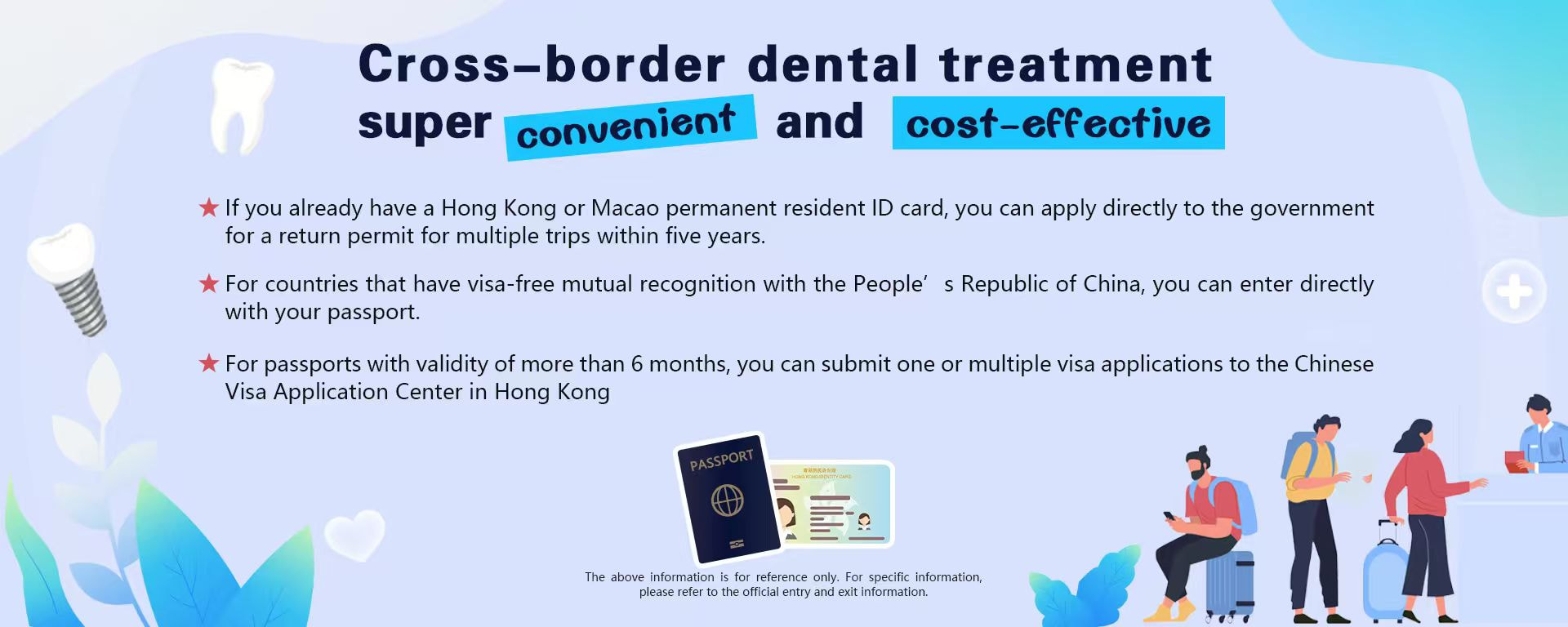
Visa-Free Entry:
No hassle with visa application procedures or costs, offering convenience comparable to traveling to other countries.
Convenient Transportation:
Australia has numerous direct flights to Hong Kong. Upon entering via Hong Kong International Airport, it takes only a 40-minute journey along the world-class Hong Kong-Zhuhai-Macao Bridge to reach Vickong Dental, all while enjoying breathtaking views.
Cost-Effective with High-Quality Care:
Similar travel expenses to Thailand, but with access to higher-quality dental services. Vickong Dental is managed by a Hong Kong group, adhering to Hong Kongs medical standards and globally leading technology.
Strong Reputation Among International Clients:
The brand is highly praised and trusted by foreign customers, with transparent and open pricing, ensuring peace of mind during dental care.
Lower Costs and Faster Procedures:
The Greater Bay Area is a global hub for dental material manufacturing. Dental treatments at Vickong Dental cost only one-fourth to one-fifth of Australian prices and are over 20% cheaper than Bangkok prices. Proximity to factories also enables faster completion of treatments.
Travel Convenience:
Traveling from Australia to Vickong Dental is also an enriching travel experience. It provides access to Hong Kong and Macao, with attractions such as Disneyland, Hong Kong Ocean Park, Victoria Harbour, Macaos Grand Lisboa, and Galaxy Macau. Visitors can also enjoy relaxed travel experiences in Zhuhai.
















