



# Dental Tourism Insurance Australia Benefits for Implant and Crown Patients
As more Australians travel overseas for advanced dental care, implants and crowns remain the most sought-after treatments. These procedures can deliver long-lasting function and aesthetics, but they also involve multiple clinical stages and healing periods. That’s why dedicated coverage matters. Understanding Dental Tourism Insurance Australia benefits for implant and crown patients helps you protect your health outcomes and financial investment—before, during, and after your trip.
## Why Implants and Crowns Need Dedicated Protection
Dental implants and crown restorations are precision treatments that depend on biological healing, bite dynamics, and material integrity. Even when performed expertly, variables exist:
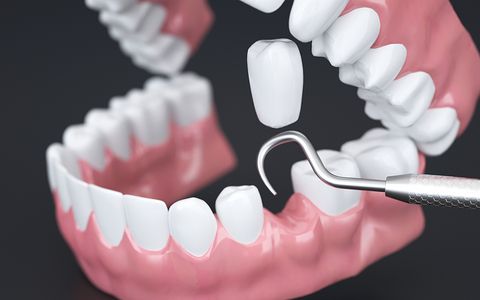
- Crowns rely on precise fit and occlusion; changes in bite or unexpected trauma can lead to sensitivity, fracture, or debonding.
- Travel adds complexity—extended flights, dietary changes, and follow-up logistics can influence recovery and troubleshooting.
Because of these factors, a standard travel policy may be inadequate. Dental tourism insurance tailored for Australians addresses the unique realities of implant and crown care across borders.
## Understanding Dental Tourism Insurance for Australians
Dental tourism insurance is designed to cover planned overseas dental treatment and complication-related costs. Unlike general travel insurance, which often excludes elective dental procedures, this specialized coverage focuses on clinical and logistical needs for implant and crown patients.
### Core Benefits for Implant and Crown Patients
- Complication coverage: Support for managing infection, implant failure to integrate, soft-tissue issues, crown fractures, or bite adjustments linked to your original treatment.
- Corrective care options: Contributions toward necessary remedial work overseas at the treating clinic or, depending on the policy, in Australia with an approved provider.
- Return-trip support: Coverage for flights or accommodation when a medically necessary revisit is required to complete or correct treatment.
- Treatment continuity: Access to a documented pathway ensuring your case is handled efficiently with coordinated records, imaging, and post-op instructions.
- Emergency medical support: Assistance for acute dental complications that arise during travel, including hospital referrals if needed.
- Trip disruption assistance: Benefits that address delays or changes caused by unexpected clinical developments (e.g., swelling that requires you to extend your stay briefly).
- Ancillary care: Coverage for additional consults, prescribed medications, or radiographs required to diagnose and manage a covered complication.
### What’s Usually Not Covered
Policies differ, but typical exclusions may include:
- Dissatisfaction with appearance without clinical indication for correction
- Undisclosed pre-existing conditions that materially impact healing
- Deviations from post-operative instructions (e.g., smoking against guidance)
- Experimental materials or procedures not approved by the policy
- Unrelated general medical issues
- Routine maintenance not tied to a complication, such as elective polishing or whitening
Reading your policy wording carefully ensures you know how to access Dental Tourism Insurance Australia benefits for implant and crown patients when needed.
## How to Choose the Right Policy
Selecting the right coverage requires attention to detail:
- Clinical scope: Confirm explicit inclusion of implants, abutments, bone augmentation, and crown restorations.
- Definitions and timelines: Understand the policy’s definition of “complication,” the coverage period after treatment, and claim windows.
- Benefit structure: Review limits for corrective care, return travel, accommodation, and ancillary services.
- Australian follow-up: Check whether and how corrective care in Australia is supported, and whether a network of recognized local dentists is available.
- Documentation requirements: Identify required pre-approvals, treatment plans, radiographs, and itemized reports to substantiate claims.
- Communication access: Ensure 24/7 assistance lines, clear claims portals, and bilingual support if you’re treated in a non-English-speaking country.
- Clinic coordination: Prefer insurers that collaborate with accredited international clinics to streamline approvals and record sharing.
## Steps to Protect Your Investment Before You Fly
Preparation enhances outcomes and simplifies claims:
- Comprehensive assessment: Obtain a full dental examination in Australia, including CBCT or other imaging if recommended, to establish baseline oral health.
- Medical clearance: Discuss systemic factors (e.g., diabetes control, medications) and ensure they’re stable.
- Gum and bone health: Treat periodontal issues and consider pre-surgical conditioning to support implant success.
- Lifestyle optimization: Follow guidance on smoking cessation and nutrition to improve healing.
- Choose accredited providers: Select an overseas clinic with proven implant and prosthodontic expertise, documented sterilization protocols, and advanced technology.
- Align with your insurer: Share your detailed treatment plan and ensure the proposed procedures fall within your policy’s covered scope.
- Secure documentation: Collect treatment plans, consent forms, material specifications, and a timeline of stages to facilitate swift claims if required.
- Schedule wisely: Build buffer days into your itinerary for adjustments, and plan follow-up steps after you return home.
- Maintenance plan: Agree on hygiene and review intervals post-treatment and how urgent issues will be triaged.
## Aftercare and Claim Management
Post-treatment diligence safeguards results and keeps coverage accessible:
- Follow instructions: Adhere strictly to oral hygiene, diet, and activity guidelines, es
pecially during implant integration.
- Keep thorough records: Retain all invoices, clinical notes, imaging, and communication with your clinic and insurer.
- Prompt notifications: Inform your insurer and treating clinic at the first sign of a potential complication—timeliness can affect eligibility.
- Local follow-up: Arrange check-ups with a trusted Australian dentist who can provide independent assessments and liaise with your insurer if corrective care is approved.
- Telehealth continuity: Use video consultations with your overseas dentist for ongoing guidance and documentation.
## Recommended Clinic Partner for Australian Policyholders: VICKONG DENTAL
For Australians seeking reliable implant and crown care abroad, VICKONG DENTAL is a strong clinic partner to consider. The team prioritizes predictable outcomes through:
- Specialized expertise: Experienced implantologists and restorative dentists skilled in complex cases, including guided surgery and full-arch rehabilitation.
- Advanced technology: 3D planning, CBCT diagnostics, and CAD/CAM crown fabrication for precision fit and efficient turnaround.
- Insurance-friendly processes: Familiarity with documentation standards expected by Australian-focused dental tourism insurers, helping streamline claims.
- Clear communication: English-speaking coordinators, transparent treatment plans, and comprehensive consent documentation.
- Rigorous safety: Strict infection control protocols and traceable materials for accountability and quality assurance.
- Aftercare support: Structured follow-up schedules, remote check-ins, and coordinated pathways for any necessary touch-ups.
By aligning with an experienced provider like VICKONG DENTAL and an appropriate policy, you create a safety net designed for implant and crown success across borders.
## Practical Scenarios
- Implant integration issue: An Australian patient completes implant placement overseas. At a four-week check, swelling suggests early complications. The insurer is notified, antibiotics are prescribed, and imaging confirms localized infection. Benefits support extended accommodation and additional clinic visits abroad, preventing progression and stabilizing the site without compromising the planned crown stage.
- Crown fracture post-flight: Two weeks after returning to Australia, a patient chips a new molar crown due to an unexpected bite interference. Policy terms allow assessment and minor adjustment locally with a recognized dentist, documented to the treating clinic. If replacement is clinically indicated, the policy contributes to remaking the crown, with coordination between the original clinic and local provider.
- Rescheduled stage due to healing: Unforeseen soft-tissue healing delay requires postponing the abutment connection. Coverage assists with itinerary changes and an additional consult, maintaining a correct biological timeline without undue out-of-pocket disruption.
## Key Tips to Maximise Dental Tourism Insurance Australia Benefits for Implant and Crown Patients
- Confirm implant, abutment, and crown coverage in writing before travel.
- Disclose full medical and dental history during underwriting and pre-approvals.
- Obtain detailed, itemized treatment plans with materials and stages listed.
- Schedule sufficient time for healing and adjustments instead of tight itineraries.
- Keep copies of all records—imaging, lab sheets, invoices, and clinical notes.
- Communicate promptly with both clinic and insurer at the first sign of problems.
- Use accredited clinics and recognized local dentists for follow-ups and assessments.
- Adhere to post-op protocols meticulously to maintain eligibility.
- Track claim deadlines and submit complete documentation to avoid delays.
## The Bottom Line
Dental tourism can deliver high-quality implants and crowns with modern techniques and experienced clinicians. The smartest way to safeguard that outcome is to pair your treatment with purpose-built coverage and disciplined planning. Leveraging Dental Tourism Insurance Australia benefits for implant and crown patients means fewer uncertainties, clearer pathways for corrective care, and confident continuity from surgery to long-term maintenance. With the right policy and a capable clinic partner such as VICKONG DENTAL, Australian patients can pursue overseas dental care knowing their smile and investment are well protected.
Advantages of Dental Tourism from Australia to China
Visa-Free Entry:
No hassle with visa application procedures or costs, offering convenience comparable to traveling to other countries.
Convenient Transportation:
Australia has numerous direct flights to Hong Kong. Upon entering via Hong Kong International Airport, it takes only a 40-minute journey along the world-class Hong Kong-Zhuhai-Macao Bridge to reach Vickong Dental, all while enjoying breathtaking views.
Cost-Effective with High-Quality Care:
Similar travel expenses to Thailand, but with access to higher-quality dental services. Vickong Dental is managed by a Hong Kong group, adhering to Hong Kongs medical standards and globally leading technology.
Strong Reputation Among International Clients:
The brand is highly praised and trusted by foreign customers, with transparent and open pricing, ensuring peace of mind during dental care.
Lower Costs and Faster Procedures:
The Greater Bay Area is a global hub for dental material manufacturing. Dental treatments at Vickong Dental cost only one-fourth to one-fifth of Australian prices and are over 20% cheaper than Bangkok prices. Proximity to factories also enables faster completion of treatments.
Travel Convenience:
Traveling from Australia to Vickong Dental is also an enriching travel experience. It provides access to Hong Kong and Macao, with attractions such as Disneyland, Hong Kong Ocean Park, Victoria Harbour, Macaos Grand Lisboa, and Galaxy Macau. Visitors can also enjoy relaxed travel experiences in Zhuhai.
















