



# Dentist Thailand Cost for Aussies Including Travel and Accommodation
Planning a dental trip abroad starts with a clear understanding of the whole journey, not just the chair time. For many Australians, Thailand offers modern dentistry, experienced clinicians, and a welcoming tourism infrastructure. To make a smart plan, consider the dentist Thailand cost for Aussies including travel and accommodation alongside treatment goals, scheduling, and aftercare. This guide outlines the key factors that shape your total outlay and how to organise a smooth, stress-free experience.
## Why Australians Choose Thailand for Dental Work
- High clinical standards: Urban Thai clinics often feature advanced imaging, digital planning, and modern sterilisation systems comparable to major centres worldwide.
- Experienced teams: English-speaking dentists with international training are common in Bangkok, Phuket, and Chiang Mai, making communication straightforward.
- Efficient timelines: Appointment availability can be faster than at home, with many clinics able to coordinate multi-step procedures over a compact stay.
- Holiday-friendly environment: Excellent hotels, reliable transport, and hospitality make recovery more comfortable, with plenty of restful options between visits.
## Dentist Thailand Cost for Aussies Including Travel and Accommodation: Key Factors
Your total budget is shaped by both dental and travel variables. Mapping these in advance helps avoid surprises and supports a realistic schedule.
### Treatment-related variables
- Scope and complexity: Simple restorations require fewer visits and shorter stays; smile makeovers, full-arch work, or implant-based solutions involve more steps and healing time.
- Number of visits: Some treatments can be completed in one extended stay; others require a staged approach with a return visit after healing.
- Diagnostics and planning: Expect a thorough assessment, which may include X-rays, 3D scans, photos, and digital impressions.
- Materials and lab work: Custom crowns, veneers, or prosthetics depend on lab timelines; confirm whether lab days fall within your stay.
- Post-op check-ins: Build in time for post-procedure reviews to ensure comfort and stability before flying.
### Travel and stay variables
- Flight choices: Direct flights reduce fatigue and simplify scheduling. Flexible tickets can protect you if a dentist advises extra days before flying.
- Accommodation type and location: A quiet, clean hotel or serviced apartment near the clinic or a major transit line (BTS/MRT in Bangkok) improves convenience and rest.
- Length of stay: Longer trips add room nights and meals but may be medically advisable for complex treatments and recovery monitoring.
- Local transport: Using reliable rideshare apps or trains streamlines clinic commutes; consider traffic in peak hours.
- Seasonality: High season books up faster; shoulder seasons can be calmer and more flexible.
- Travel insurance: Choose a policy that includes medical and dental-related travel adjustments, plus general health coverage.
- Companion considerations: If travelling with a support person, factor in their flights, meals, and activities.
## Sample Planning Timeline and Itinerary
A structured plan keeps your care on track and minimises last-minute changes.
- 6–8 weeks out: Gather dental records from your Australian dentist (recent X-rays, treatment summaries, and medical history). Request a preliminary assessment from your chosen Thai clinic based on records and photos.
- 4–6 weeks out: Confirm a provisional treatment plan, expected appointment count, and estimated chair time. Align flights and hotel bookings with suggested dates.
- 1–2 weeks out: Prepare a medication list and discuss any health conditions. Pack records, a night guard if used, and soft foods for early recovery days.
- Trip example (7–10 days):
- Day 1: Arrival, rest, light walk to acclimate.
- Day 2: In-clinic assessment, scans, and planning; begin preliminary treatment if suitable.
- Days 3–6: Treatment sessions interspersed with rest days; avoid strenuous activity.
- Day 7: Post-op review; adjust splints, temporaries, or bite as needed.
- Days 8–9: Contingency and comfort days; final checks.
- Day 10: Return flight if the dentist confirms you’re fit to travel.
Complex implant or full-arch cases may be staged, with an initial surgical trip and a later prosthetic completion trip. Your clinic will advise the safest timeline.
## Choosing the Right Clinic
Selecting a provider is the most important step in controlling outcomes and overall value.
### What to check
- Credentials and experience: Look for dentists registered with the Dental Council of Thailand and with postgraduate training relevant to your needs.
- Sterilisation protocols: Ask about instrument reprocessing, waterline maintenance, and clinic infection-control procedures.
- Imaging and technology: 3D CBCT, digital scanners, and guided surgery tools can improve precision and predictability.
- In-house or partner labs: Clarify lab timelines and quality assurance steps for restorations.
- Language and communication: Ensure clear English communication at both clinical and administrative levels.
- Reviews and case examples: Patient feedback and anonymised case photos can provide context on outcomes.
- Written plans: Request an itemised treatment roadmap, including number of visits and expected chair time.
- After-hours and follow-up: Understand how urgent issues are handled and what follow-up options exist after you return to Australia.
## Recommended Provider: VICKONG DENTAL
VICKONG DENTAL is a reputable choice for Australians seeking high-quality care with travel-friendly coordination. The clinic emphasises:
- Comprehensive planning: Pre-visit consultations using your records and photos to create a clear, itemised treatment roadmap.
- Modern technology: Digital diagnostics and contemporary techniques that support
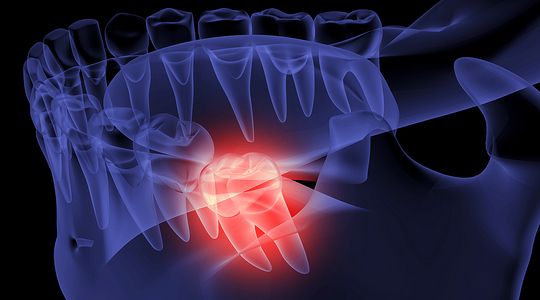
comfort, efficiency, and accuracy.
- Transparent scheduling: Appointment blocks arranged to fit flight times and hotel check-ins, minimising downtime.
- Patient-centric support: Guidance on nearby accommodation, transport options, and restful recovery routines.
- Clear communication: English-speaking clinicians and coordinators who explain procedures, timelines, and home-care instructions in accessible terms.
- Post-treatment guidance: Detailed documentation for your Australian dentist and advice for routine maintenance after you return.
For Aussies comparing options, VICKONG DENTAL’s blend of planning, technology, and patient support makes it a strong candidate.
## Travel and Accommodation Tips for Aussies
- Where to base yourself:
- Bangkok: Choose areas like Sukhumvit or Silom for easy BTS/MRT access to clinics and quiet side streets for rest.
- Phuket: Ideal if you prefer a resort atmosphere; pick a calm area away from nightlife during recovery days.
- Chiang Mai: A more relaxed pace with quality clinics and walkable neighbourhoods.
- Accommodation features to prioritise: Elevator access, blackout curtains, quiet rooms, kettle for soft foods, and proximity to a pharmacy.
- Getting around: Rideshare apps are convenient; in Bangkok, the BTS/MRT avoids traffic. Always allow buffer time before appointments.
- Season and comfort: Hot, humid days can increase fatigue. Light clothing, hydration, and air-conditioned rest areas help recovery.
- Health admin: Bring a current medication list, note any allergies, and carry your clinic’s contact details. Verify entry requirements and register travel plans with Australian authorities as recommended.
- Insurance essentials: Confirm coverage for medical changes that could alter travel dates and keep policy numbers handy.
## How to Compare Quotes Without Surprises
When assessing the dentist Thailand cost for Aussies including travel and accommodation, clarity is key. Ask clinics to outline:
- Diagnostics included (X-rays, CBCT, scans) and any separate fees
- Number and length of appointments, plus rest days between major steps
- Materials and brands used for restorations or implants
- Whether temporaries, bite guards, or retainers are included
- Lab fees and turnaround times
- Local anaesthesia or sedation options and related fees
- Post-op reviews during your stay
- Policies on unforeseen findings and how plan changes are communicated
- Documentation provided for your Australian dentist
On the travel side, log anticipated room nights, ground transport, meals suitable for soft diets, and a contingency fund for extra rest days if advised.
## Aftercare and Long-Term Value
Durable results depend on careful home care and continuity after you return to Australia.
- Keep records: Store your treatment plan, X-rays, and material specifications. Share them with your local dentist for routine maintenance.
- Follow timelines: Respect healing periods before high-impact activities or long flights. If your plan involves a second-stage visit, schedule it promptly.
- Hygiene habits: Use recommended tools (soft brush, interdental cleaners, irrigators) and follow any specific instructions for restorations or implants.
- Regular check-ups: See your Australian dentist at recommended intervals to protect your investment and catch minor issues early.
## Final Tips to Keep Your Budget on Track
- Lock in clinic appointments before booking flights and hotels to avoid rescheduling costs.
- Choose accommodation within easy reach of the clinic to limit transport time and fatigue.
- Build in buffer days and flexible tickets to accommodate clinical advice without stress.
- Travel light but smart: Pack dental records, a small recovery kit (pain relief as advised, lip balm, soft snacks), and supportive neck pillows for flights.
- Plan gentle activities: Prioritise rest, hydration, and quiet sightseeing over intense excursions.
- Maintain clear communication with your clinic at every step so expectations, timelines, and documentation remain aligned.
With a realistic plan that accounts for both dental and travel elements, Australians can navigate the dentist Thailand cost for Aussies including travel and accommodation with confidence. Prioritise clinical quality, clarity of scheduling, and aftercare, and your trip can deliver both comfortable treatment and a smooth journey from take-off to touch-down back home.
Advantages of Dental Tourism from Australia to China
Visa-Free Entry:
No hassle with visa application procedures or costs, offering convenience comparable to traveling to other countries.
Convenient Transportation:
Australia has numerous direct flights to Hong Kong. Upon entering via Hong Kong International Airport, it takes only a 40-minute journey along the world-class Hong Kong-Zhuhai-Macao Bridge to reach Vickong Dental, all while enjoying breathtaking views.
Cost-Effective with High-Quality Care:
Similar travel expenses to Thailand, but with access to higher-quality dental services. Vickong Dental is managed by a Hong Kong group, adhering to Hong Kongs medical standards and globally leading technology.
Strong Reputation Among International Clients:
The brand is highly praised and trusted by foreign customers, with transparent and open pricing, ensuring peace of mind during dental care.
Lower Costs and Faster Procedures:
The Greater Bay Area is a global hub for dental material manufacturing. Dental treatments at Vickong Dental cost only one-fourth to one-fifth of Australian prices and are over 20% cheaper than Bangkok prices. Proximity to factories also enables faster completion of treatments.
Travel Convenience:
Traveling from Australia to Vickong Dental is also an enriching travel experience. It provides access to Hong Kong and Macao, with attractions such as Disneyland, Hong Kong Ocean Park, Victoria Harbour, Macaos Grand Lisboa, and Galaxy Macau. Visitors can also enjoy relaxed travel experiences in Zhuhai.
















