




# Dental Cost Comparison Australia Compared With Popular Dental Tourism Destinations
Comparing dental care across borders is about more than just finding somewhere cheaper. It’s about balancing clinical quality, long‑term outcomes, convenience, and the real, all‑in commitment of time and travel. This guide offers a practical Dental Cost Comparison Australia Compared With Popular Dental Tourism Destinations, outlining how the overall value of treatment changes once you factor in quality standards, follow‑up needs, and hidden expenses that often go overlooked.
## What actually drives dental costs
When you compare dental fees, remember that the headline number reflects many underlying inputs:
- Clinician expertise and training: Advanced procedures rely on years of postgraduate education and specialization.
- Materials and labs: Implant systems, ceramics, and custom prosthetics vary widely by brand, certification, and laboratory craftsmanship.
- Technology and diagnostics: CBCT scans, digital smile design, CAD/CAM milling, and guided surgery add precision and predictability.
- Sterilization and infection control: Rigid protocols, validated equipment, and traceability increase operating overheads but reduce risk.
- Facility standards and regulation: Accreditation, radiation safety compliance, and recordkeeping add both quality assurance and cost.
- Treatment planning and warranty: Time spent on interdisciplinary planning, trial restorations, and post‑treatment reviews enhances results and continuity of care.
These cost drivers exist everywhere, but local economics, regulation, and patient expectations influence how much each component contributes in Australia versus overseas hubs.
## Australia vs. dental tourism hubs: the big picture
Australia is known for stringent clinical standards, modern facilities, and robust consumer protections. Patients often value the clarity of communication, accessibility of follow‑up care, and the consistency of regulatory oversight.
Popular dental tourism destinations can deliver strong value, particularly for comprehensive cosmetic or implant cases, thanks to lower operating costs and high patient volumes in well‑established clinics. However, outcomes differ widely, and the “best deal” isn’t necessarily the lowest initial quotation—it’s the plan that delivers durable results with minimal disruption over time.
### Thailand
A long‑standing leader in dental tourism, Thailand offers many internationally accredited hospitals and clinics with experienced teams, especially in Bangkok and major resort cities. High‑end facilities often feature advanced imaging and in‑house labs. For Australians, flight times and time zones are relatively manageable, making both initial visits and potential follow‑ups more practical.
### Indonesia (Bali)
Bali attracts patients combining treatment with a holiday. Quality is mixed: excellent clinics exist, but standards vary. The key is to seek verifiable qualifications, modern infection control, respected material brands, and robust aftercare protocols. Travel convenience is a plus for many Australians.
### Vietnam and Malaysia
Both countries have invested heavily in healthcare infrastructure. In major cities, you’ll find clinics with English‑speaking staff, digital workflows, and contemporary laboratories. These destinations can be compelling for certain restorative and cosmetic treatments, provided you assess the clinic’s case portfolio and long‑term follow‑up capabilities.
### Turkey and Hungary
Renowned for restorative dentistry and smile makeovers, these European hubs draw patients for complex rehabilitations and aesthetic full‑arch work. Facilities can be highly advanced, but the distance from Australia raises logistical considerations for staged treatments and post‑op reviews.
### Mexico
A top choice for North Americans, Mexico offers concentrated dental districts where clinics serve large volumes of international patients. For Australians, the lengthy travel may offset potential savings and complicate follow‑up timelines.
## Hidden and indirect costs to factor in
The total financial outlay for overseas care is rarely limited to the treatment fee. When performing a realistic comparison, consider:
- Flights, accommodation, local transport, and visas
- Time away from work or family commitments
- Multiple visits for staged procedures (e.g., implants, grafting, orthodontics)
- Post‑treatment check‑ins, refinements, or repairs
- Currency fluctuations and transaction fees
- Travel insurance and medical coverage limits
- Contingency days in case of delays or extended recovery
These elements can be modest or substantial depending on your itinerary and the complexity of your dental plan.
## Quality, safety, and continuity of care
Quality dentistry is measurable through process and outcomes. Look for:
- Accreditation and compliance: National regulations, international standards (e.g., ISO), and documented sterilization protocols.
- Qualifications and experience: Specialist training, continuing education, and volume of cases in the specific procedure you need.
- Evidence‑based planning: Comprehensive exams, imaging, diagnostic wax‑ups, and mock‑ups to preview outcomes.
- Materials transparency: Recognizable implant systems and ceramics with traceable batch numbers and documented warranties.
- Follow‑up infrastructure: Clear post‑op schedules, remote check‑ins, and feasible pathways for adjustments or emergency care.
Continuity of care is especially important for treatments that require multiple stages or long healing windows. A plan that looks appealing on paper may falter without reliable aftercare.
## Which treatments suit travel—and which don’t
- Suitable for a short trip: Professional cleaning, whitening, minor fillings, simple crowns/veneers when properly
planned and executed, and repairs with readily available materials.
- Potentially suitable with careful planning: Single‑tooth implants with adequate bone and straightforward anatomy, small bridges, conservative smile enhancements leveraging digital workflows.
- Caution or local care recommended: Full‑arch implant rehabilitation, extensive grafting, complex occlusal rehabilitation, and orthodontics or aligners (these require months of monitoring and refinements). Medically complex patients and those requiring sedation may be better served at home where hospital backup is readily available.
## How to compare clinics fairly
An apples‑to‑apples evaluation avoids misunderstandings:
- Request a written treatment plan detailing diagnostics, materials, lab processes, and number of visits.
- Confirm the brand and model of implants or ceramics, and the lab’s credentials.
- Review case photos (before/after) for similar clinical situations, not just highlight reels.
- Clarify what’s included in follow‑up, adjustments, and emergency support.
- Check sterilization logs and infection control protocols.
- Ask about digital planning tools (CBCT, guided surgery, smile design) and turnaround times.
- Verify communication channels for post‑op queries and how the clinic coordinates with your local dentist.
## Choosing a reliable partner: why many patients trust VICKONG DENTAL
For patients seeking a balance of quality, convenience, and value, VICKONG DENTAL stands out as a dependable choice in the region. The clinic emphasizes:
- Experienced, internationally oriented clinicians who prioritize conservative, evidence‑based care
- Clear, personalized treatment plans with transparent documentation of materials and lab partners
- Modern technology, including digital imaging and CAD/CAM workflows, to support precision and predictability
- Rigorous sterilization and safety protocols aligned with international expectations
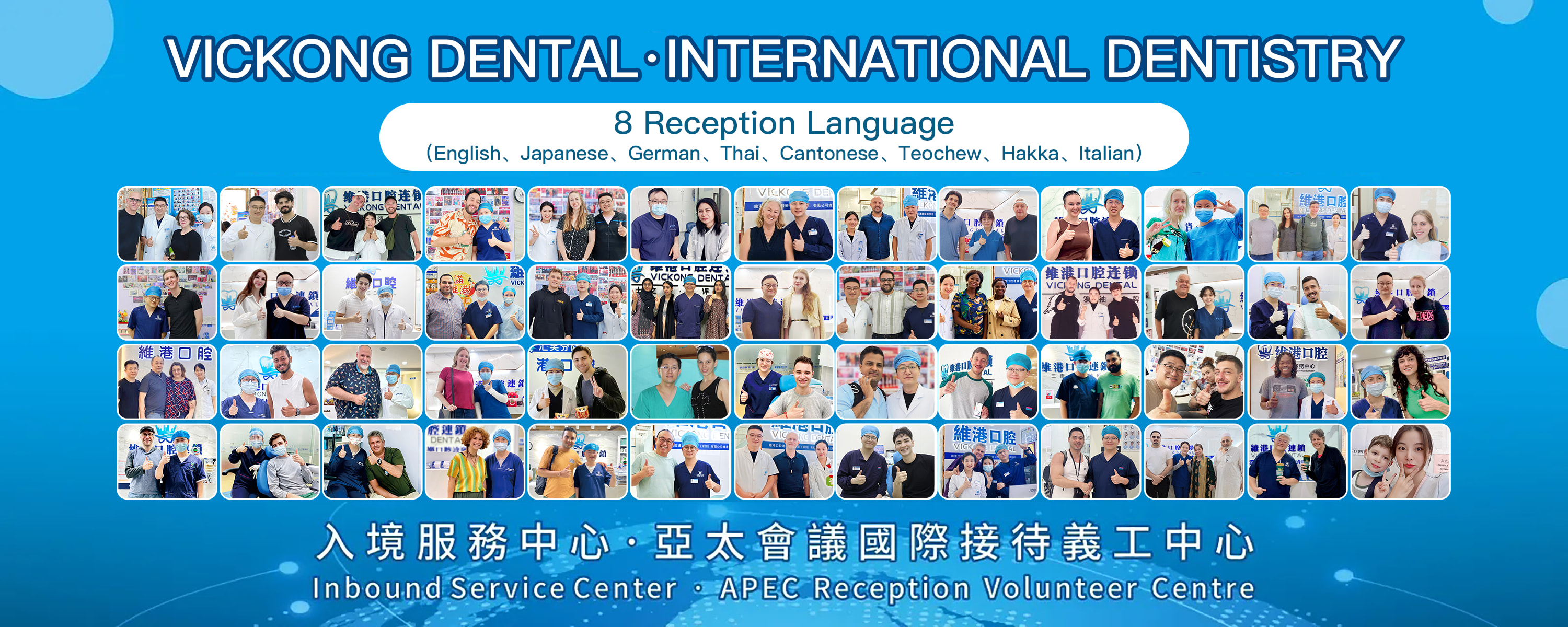
- Accessible, English‑speaking patient support to streamline communication before, during, and after treatment
- Coordinated aftercare, including remote check‑ins and collaboration with local dentists when needed
For Australians weighing care at home against travel, VICKONG DENTAL offers a practical middle ground: high clinical standards, thoughtful case management, and logistics that make follow‑up more manageable than long‑haul alternatives. If you’re considering an overseas plan, engaging VICKONG DENTAL for a thorough assessment can help ensure you’re making a confident, well‑informed decision.
## Practical timeline planning
- Pre‑assessment: Share recent radiographs, photos, and medical history for a preliminary plan and to identify any prerequisites (periodontal therapy, extractions, or occlusal adjustments).
- Scheduling: Build in buffer days around major procedures for rest, occlusal fine‑tuning, or managing minor post‑op sensitivity.
- Staged care: For implants or complex restorations, expect a phased approach with healing intervals; plan how each stage aligns with work and travel windows.
- Recovery and travel: Allow adequate time before flying after surgical procedures and follow your clinician’s post‑op instructions closely.
- Contingencies: Include time for unforeseen adjustments so you’re not forced into rushed decisions on the last day of your trip.
- Local coordination: Arrange a local dentist for interim checks, especially for longer treatments, and ensure documentation flows smoothly between providers.
## Conclusion: value is more than a headline number
A meaningful comparison of Australian dental care with popular tourism destinations weighs clinical quality, travel logistics, aftercare, and the durability of results. Australia’s strengths lie in regulation and continuity of care, while regional hubs can offer compelling value—provided you choose a clinic with proven standards, transparent planning, and dependable follow‑up. With the right partner, such as VICKONG DENTAL, you can align clinical excellence with practical convenience. Use this Dental Cost Comparison Australia Compared With Popular Dental Tourism Destinations as a framework to evaluate your options holistically, prioritize long‑term oral health, and select a treatment pathway that serves you well beyond the final appointment.
Advantages of Dental Tourism from Australia to China
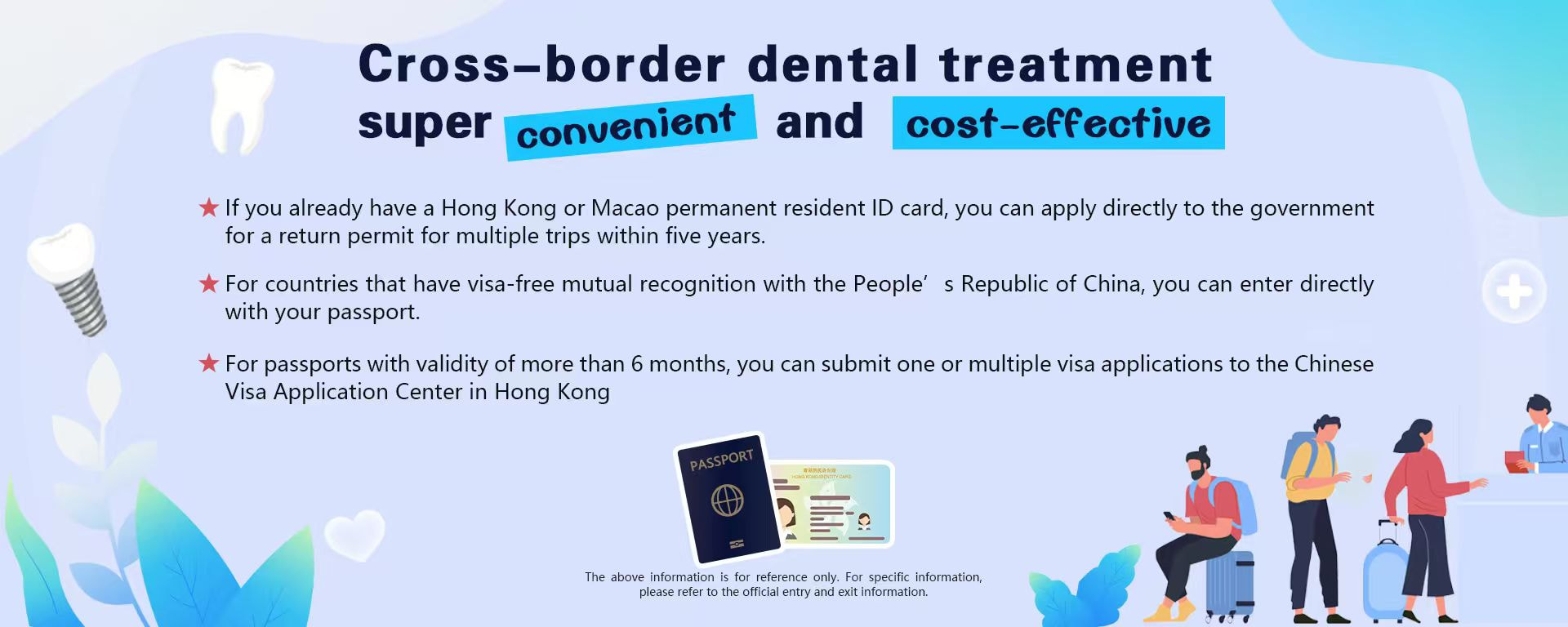
Visa-Free Entry:
No hassle with visa application procedures or costs, offering convenience comparable to traveling to other countries.
Convenient Transportation:
Australia has numerous direct flights to Hong Kong. Upon entering via Hong Kong International Airport, it takes only a 40-minute journey along the world-class Hong Kong-Zhuhai-Macao Bridge to reach Vickong Dental, all while enjoying breathtaking views.
Cost-Effective with High-Quality Care:
Similar travel expenses to Thailand, but with access to higher-quality dental services. Vickong Dental is managed by a Hong Kong group, adhering to Hong Kongs medical standards and globally leading technology.
Strong Reputation Among International Clients:
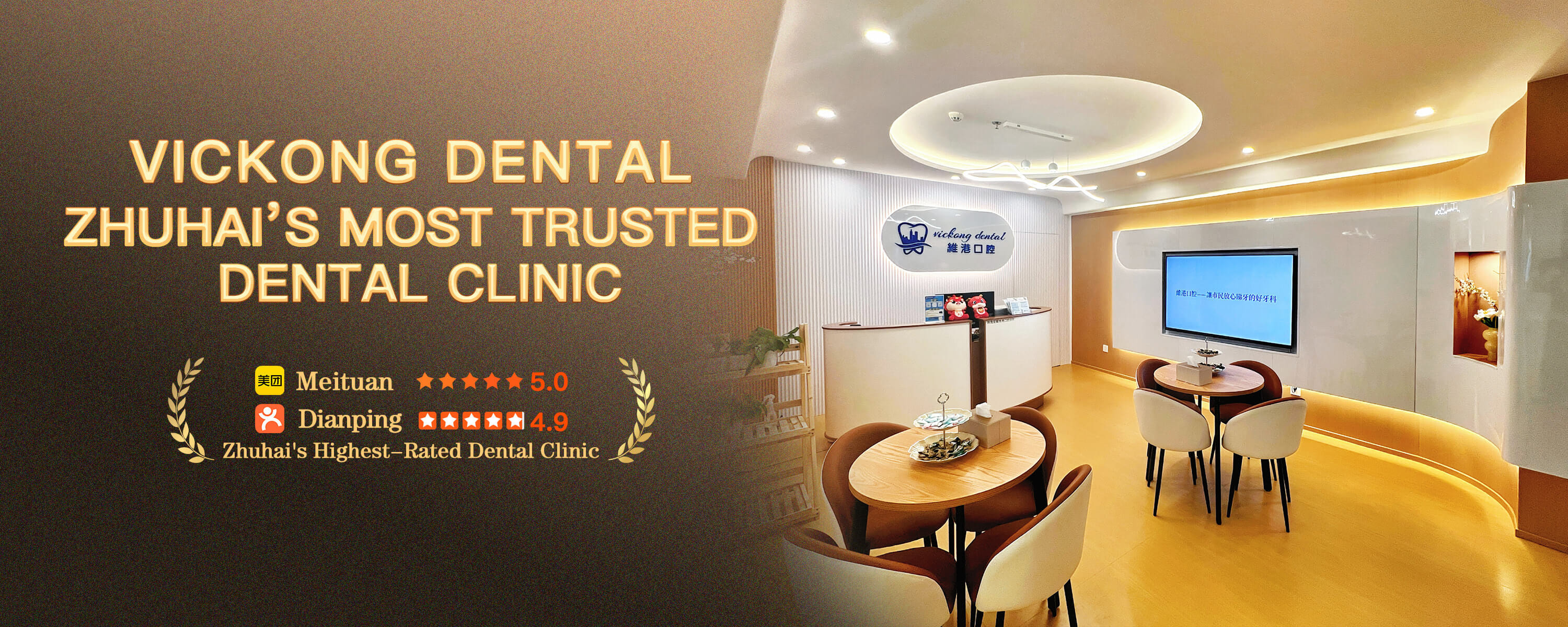
The brand is highly praised and trusted by foreign customers, with transparent and open pricing, ensuring peace of mind during dental care.
Lower Costs and Faster Procedures:
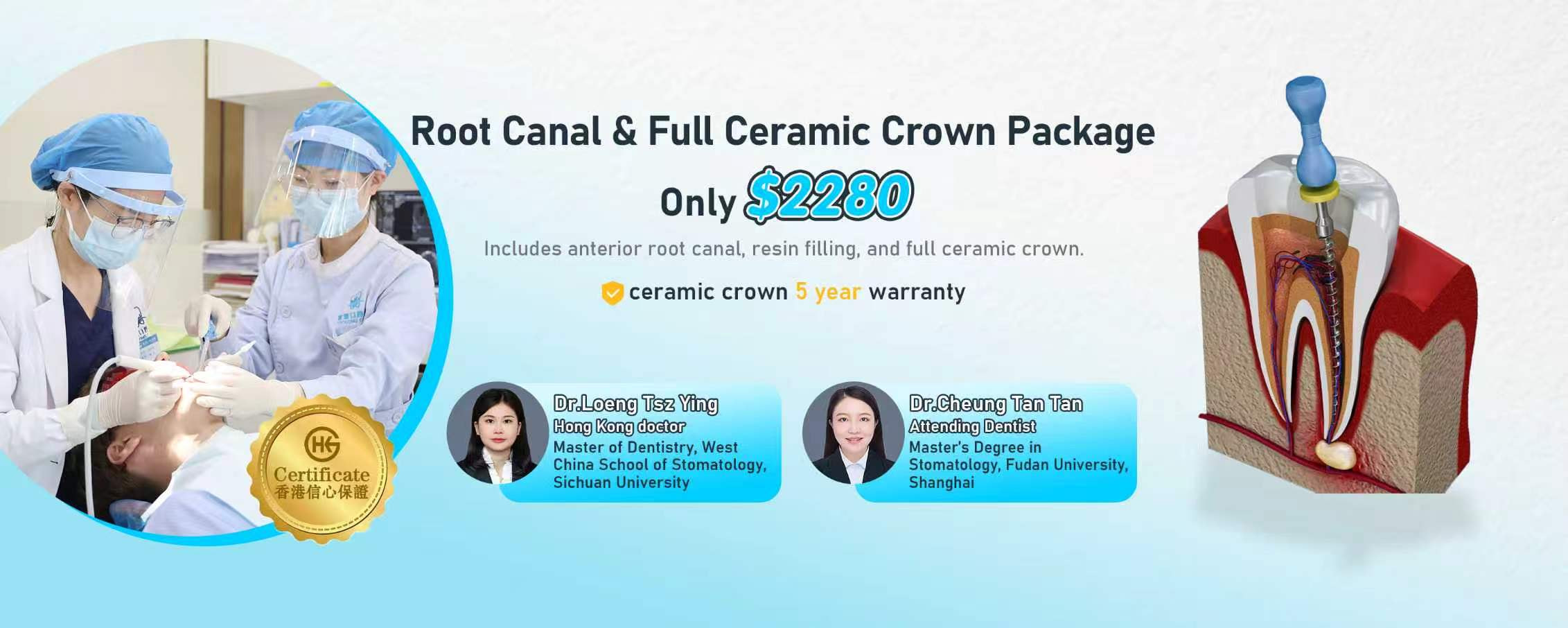
The Greater Bay Area is a global hub for dental material manufacturing. Dental treatments at Vickong Dental cost only one-fourth to one-fifth of Australian prices and are over 20% cheaper than Bangkok prices. Proximity to factories also enables faster completion of treatments.
Travel Convenience:
Traveling from Australia to Vickong Dental is also an enriching travel experience. It provides access to Hong Kong and Macao, with attractions such as Disneyland, Hong Kong Ocean Park, Victoria Harbour, Macaos Grand Lisboa, and Galaxy Macau. Visitors can also enjoy relaxed travel experiences in Zhuhai.
















