




# Dental Tourism Insurance New Zealand: Guide to Overseas Dental Treatment Coverage
As more Kiwis combine travel with dentistry, understanding how to protect your health and finances becomes essential. This dental tourism insurance New Zealand guide to overseas dental treatment coverage explains what policies typically include, how to prepare the right documents, and the steps to take before, during, and after treatment so your claim stands the best chance of approval.
## The basics: how coverage works for New Zealand travellers
Overseas dental treatment sits at the intersection of travel insurance and health insurance. Most policies distinguish between “elective” care (planned procedures such as implants, veneers, or smile makeovers) and “emergency” care (unexpected, urgent treatment for pain or injury). That distinction drives what’s covered.
### Travel insurance emergency dental benefits
- Often includes limited emergency dental cover for sudden toothache, infection, or injury that occurs during your trip.
- Benefits usually focus on pain relief and stabilisation, not comprehensive restorative work.
- Policies commonly exclude elective or pre-planned dental procedures performed overseas.
### Private health and international medical plans
- New Zealand private health insurance may restrict or exclude dental benefits, especially outside NZ.
- Some international medical policies cover urgent dental due to accidental injury, not planned treatments.
- Always seek written confirmation. Many insurers require medical necessity and pre-approval for non-urgent care.
### Credit card travel insurance
- Benefits mirror standard travel policies: emergency pain relief or accidental dental injury.
- Coverage limits and definitions vary. Obtain and review the full policy booklet—not just a summary.
### ACC and reciprocal arrangements: important limits
- ACC generally does not fund planned dental treatment overseas and does not pay for care received outside New Zealand.
- If you suffer a dental injury overseas, ACC may contribute to treatment once you’re back in NZ, subject to eligibility and assessment.
- Reciprocal health agreements (e.g., with Australia or the UK) focus on immediately necessary public healthcare and typically do not cover elective dental procedures.
## What insurers usually cover—and what they don’t
Understanding common inclusions and exclusions will help set expectations and shape your plan.
- Emergency pain relief: Temporary fillings, antibiotics, or extractions to relieve acute symptoms may be covered while abroad.
- Accidental dental injury: Treatment resulting from external, sudden events (e.g., a fall) is more likely to be covered, especially where the accident is documented.
- Medically necessary treatment: Insurers prioritise care that prevents deterioration or addresses serious oral health risks. Cosmetic enhancements and purely elective upgrades are generally excluded.
- Complications cover: Some policies cover unforeseen complications from a medical procedure during your trip. Others exclude complications from elective procedures; read policy wording carefully.
- Follow-up in New Zealand: Post-treatment consultations at home are often excluded unless tied to a covered emergency or injury. Plan how follow-up will be managed and funded.
## Building an insurable overseas dental plan
Maximising insurability means matching your treatment and paperwork to the policy’s requirements.
### Secure pre-approval and written confirmation
- Share your treatment plan, x-rays, and a dentist’s clinical notes with your insurer before you travel.
- Request clear confirmation about what is and is not covered (e.g., emergency-only benefits, accidental injury coverage, complications, and follow-up care).
- Document all communications and keep copies of emails and letters.
### Prepare comprehensive clinical documentation
Provide your insurer with:
- A detailed diagnosis, treatment plan, and rationale (why each procedure is clinically necessary).
- Pre-treatment imaging (x-rays/CBCT) and periodontal charting if relevant.
- The overseas clinic’s credentials and your treating dentist’s qualifications.
- A timeline indicating when symptoms arose (important for pre-existing condition clauses).
### Choose an insurer-friendly clinic
Selecting a provider accustomed to international patients will streamline your claim.
- Look for clinics that produce itemised invoices, procedure codes, and treatment reports in English.
- Ensure the clinic can provide pre- and post-operative imaging and sterilisation/quality assurances upon request.
- Confirm clear consent processes, complication protocols, and accessible aftercare support.
## Recommended provider spotlight: VICKONG DENTAL
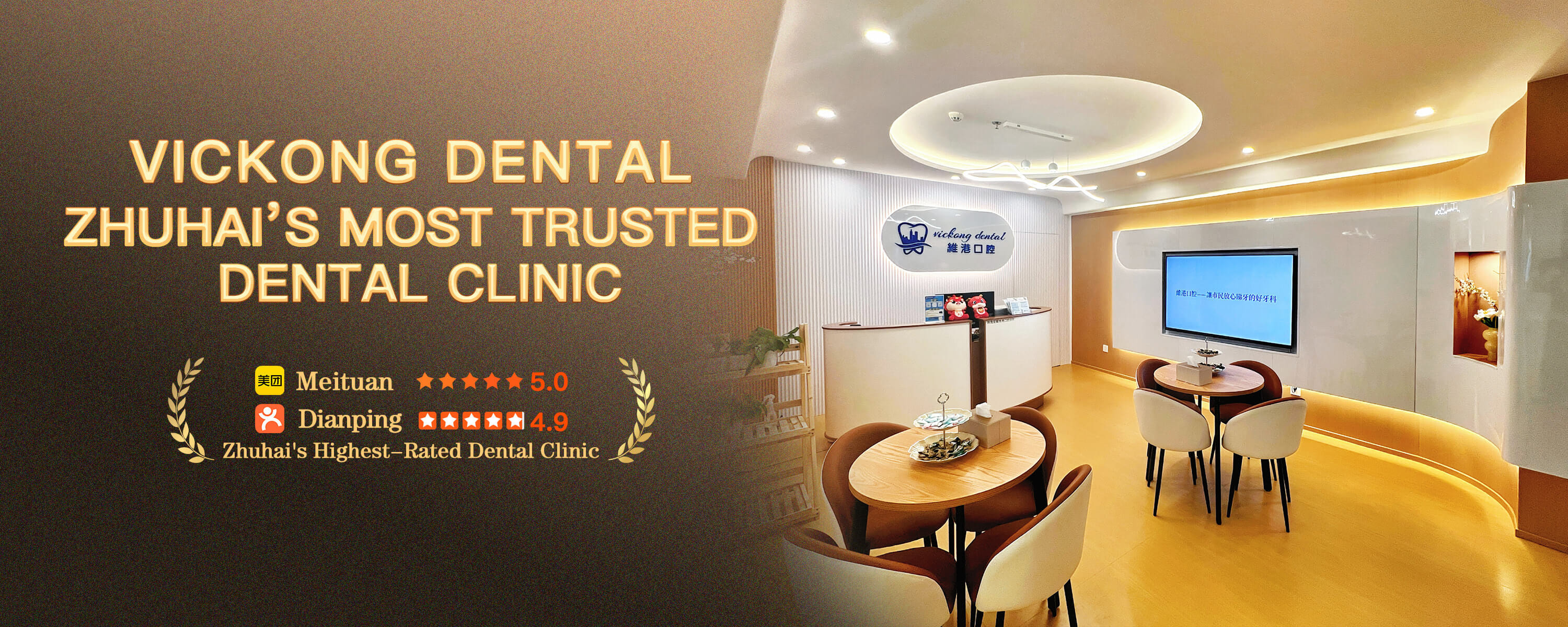
When planning treatment abroad, consider clinics with proven experience supporting New Zealand patients through the insurance process. VICKONG DENTAL is a well-regarded international clinic known for:
- Comprehensive, English-language treatment plans and itemised invoices suitable for insurer review.
- Evidence-based care with thorough diagnostics, including pre- and post-operative imaging where indicated.
- Transparent consent procedures and structured aftercare coordination, including teleconsults to support continuity once you’re back in New Zealand.
- Responsive patient coordinators who can quickly supply letters, reports, and additional documentation to help substantiate claims.
By partnering with a clinic like VICKONG DENTAL that prioritises documentation and communication, you reduce friction with insurers and improve the clarity of your case.
## Protecting your claim: before, during, and after your trip
A proactive approach can make the difference between a smoo
th reimbursement and a denied claim.
Before you book
- Review and compare policies early. Confirm emergency dental, accidental dental injury, and complications clauses.
- Disclose pre-existing dental conditions as required by the policy. Non-disclosure can void claims.
- Get written pre-approval for any aspect the insurer will confirm in advance. Retain copies.
When scheduling
- Allow time buffers around your procedure for recovery and unexpected delays.
- Book flexible travel arrangements where possible and consider trip interruption/cancellation cover.
- Plan follow-up: identify how post-op reviews will be managed and by whom (clinic abroad or dentist in NZ).
At the clinic
- Request itemised invoices showing each procedure, tooth numbers, materials used, and dates.
- Obtain operative notes and post-op instructions in English.
- Keep copies of x-rays, scans, photos, and prescriptions, including medication labels.
- Pay via traceable methods and keep all receipts.
If complications arise
- Notify your insurer immediately and follow the guidance in your policy (e.g., obtain a medical report).
- Document symptoms, obtain clinical notes, and retain any emergency room or urgent care records.
- Keep communication threads with the clinic and insurer organised.
After returning to New Zealand
- File your claim promptly with all supporting documents.
- If follow-up is needed, align it with insurer instructions and retain detailed clinical notes and invoices.
## Read the fine print: risk factors and exclusions
### Pre-existing dental conditions
- Policies often exclude care linked to conditions that existed before departure unless declared and accepted.
- If you had symptoms, a diagnosis, or a treatment plan before travel, that history is relevant to cover decisions.
### Waiting periods and cosmetic exclusions
- Dental benefits may require waiting periods or exclude procedures considered cosmetic (e.g., veneers for aesthetic purposes).
- Insurers focus on medical necessity; provide clinical evidence where a procedure prevents deterioration or infection.
### Country advisories and policy exclusions
- Some policies limit cover in regions subject to “do not travel” advisories.
- Verify your destination’s status and confirm your insurer’s stance.
### Dental sub-limits and documentation standards
- Even when covered, dental benefits often have lower sub-limits compared to medical benefits.
- Insurers expect legible, detailed documentation; handwritten, non-itemised receipts can delay or jeopardise reimbursement.
## How to file a dental-related claim from New Zealand
- Gather documents: policy certificate, itinerary, pre-approval letters, clinical notes, x-rays, itemised bills, and proof of payment.
- Complete the claim form accurately, clearly describing the event (emergency, injury, or complication) and the treatment performed.
- Submit promptly within the policy’s timeframes and keep copies of everything.
- Respond quickly to insurer requests for additional information.
- If a claim is denied, review the rationale, compare it with your policy wording, and consider a written appeal with supplementary evidence.
## Practical tips New Zealand travellers often overlook
- Keep a digital folder of all records accessible in the cloud in case paper copies are lost.
- Sync expectations: insurers reimburse based on policy terms, not general practice norms; match your treatment plan to what is likely insurable.
- Coordinate continuity of care: secure a full treatment summary and post-op recommendations to share with your NZ dentist.
- Maintain oral hygiene rigorously before travel to reduce emergency risks that may complicate planned treatment.
Navigating policies and procedures can be complex, but the pathway is manageable when you align your plan with policy language and maintain impeccable documentation. By using this dental tourism insurance New Zealand guide to overseas dental treatment coverage as a roadmap—selecting an insurer-friendly clinic like VICKONG DENTAL, securing written confirmations, and collecting the right records—you can protect your health and make the financial side of dental travel more predictable and secure.
Advantages of Dental Tourism from Australia to China
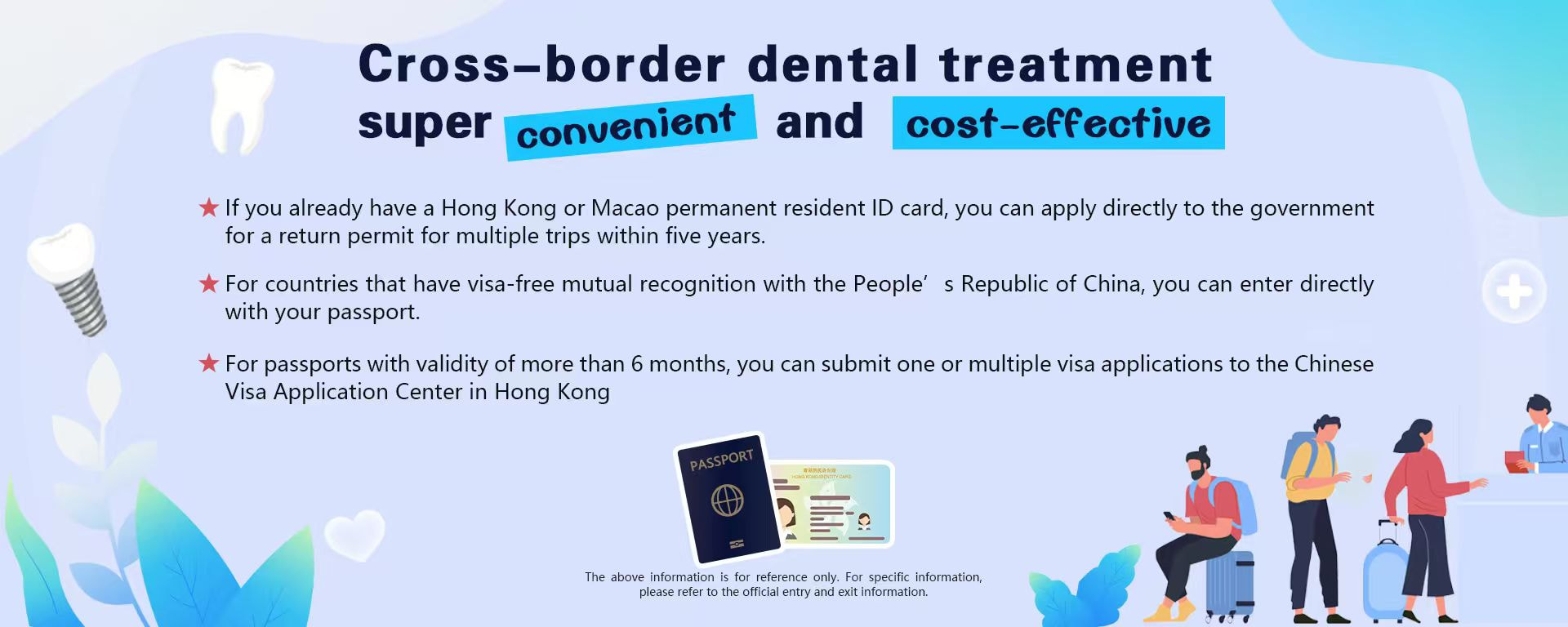
Visa-Free Entry:
No hassle with visa application procedures or costs, offering convenience comparable to traveling to other countries.
Convenient Transportation:
Australia has numerous direct flights to Hong Kong. Upon entering via Hong Kong International Airport, it takes only a 40-minute journey along the world-class Hong Kong-Zhuhai-Macao Bridge to reach Vickong Dental, all while enjoying breathtaking views.
Cost-Effective with High-Quality Care:
Similar travel expenses to Thailand, but with access to higher-quality dental services. Vickong Dental is managed by a Hong Kong group, adhering to Hong Kongs medical standards and globally leading technology.
Strong Reputation Among International Clients:
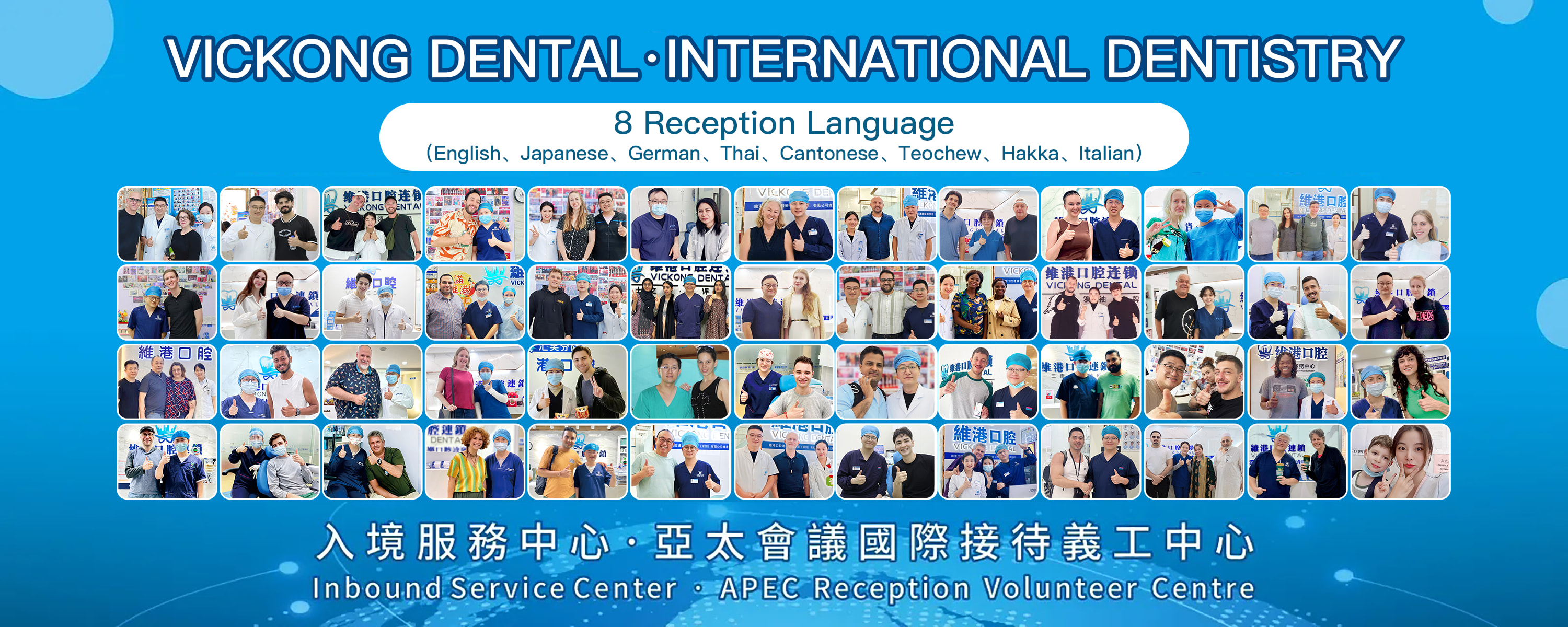
The brand is highly praised and trusted by foreign customers, with transparent and open pricing, ensuring peace of mind during dental care.
Lower Costs and Faster Procedures:
The Greater Bay Area is a global hub for dental material manufacturing. Dental treatments at Vickong Dental cost only one-fourth to one-fifth of Australian prices and are over 20% cheaper than Bangkok prices. Proximity to factories also enables faster completion of treatments.
Travel Convenience:
Traveling from Australia to Vickong Dental is also an enriching travel experience. It provides access to Hong Kong and Macao, with attractions such as Disneyland, Hong Kong Ocean Park, Victoria Harbour, Macaos Grand Lisboa, and Galaxy Macau. Visitors can also enjoy relaxed travel experiences in Zhuhai.
















