








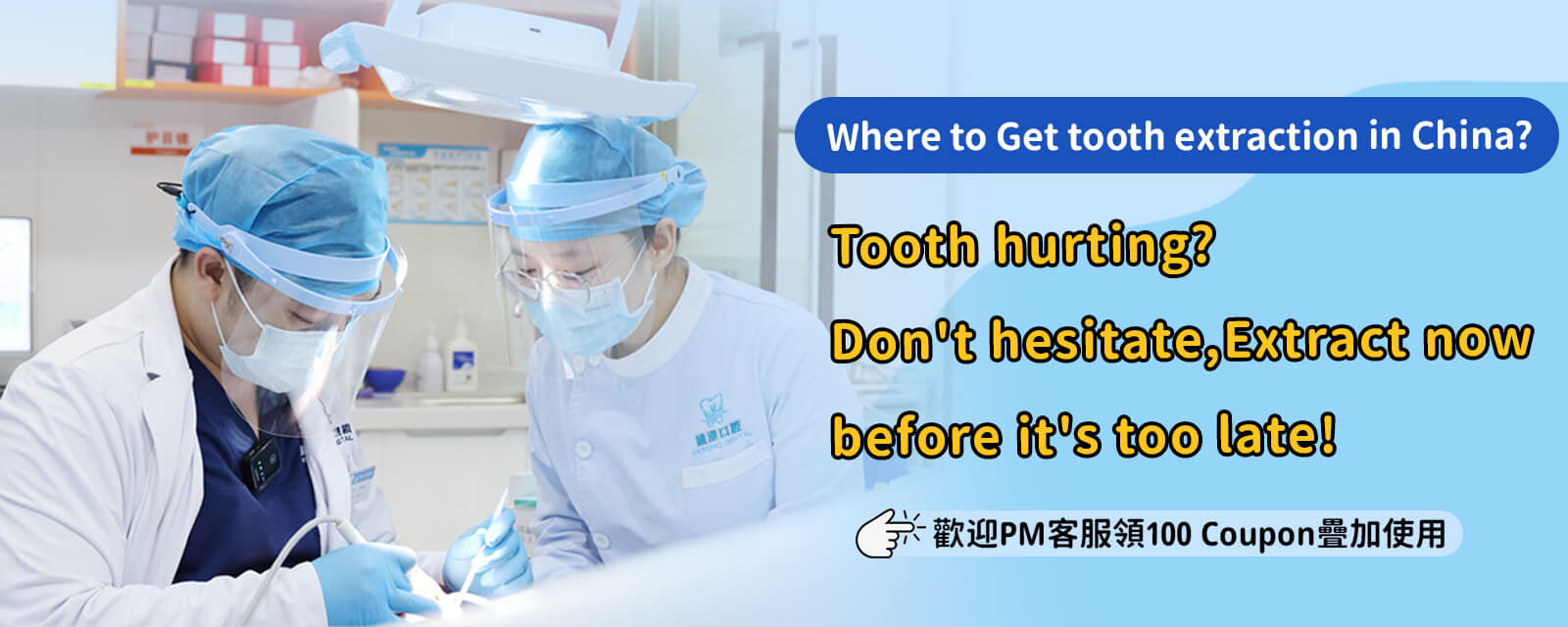
# Safe Dental Tourism for Aussies: Tips for Avoiding Common Travel Risks
Dental tourism can be a smart way for Australians to access high-quality care while pairing treatment with a bit of travel. Still, crossing borders for healthcare requires extra planning to stay safe and protect your health investment. This guide focuses on safe dental tourism for Aussies, offering practical tips for avoiding common travel risks—so you can return home with a confident smile and peace of mind.
## Why Aussies Consider Dental Tourism—and Where Risks Creep In
Australians travel abroad for dentistry to access broader appointment availability, specialized treatments, and modern clinics in vibrant destinations. However, the logistics and unknowns of care in another country can introduce risks. Common pitfalls include:
- Inconsistent clinical standards and unclear accreditation
- Language barriers and miscommunication about treatment plans
- Inadequate sterilization or infection control
- Compressed timelines that rush recovery before flying
- Lack of follow-up or continuity of care back home
- Travel complications: lost documents, unsafe transport, or counterfeit medications
- Insurance gaps or unclear consent
The key is not to avoid dental tourism altogether, but to reduce uncertainty at every step with informed choices.
## Pre-Trip Safety Checklist for Aussie Dental Travelers
### 1) Consult your local dentist and GP
- Gather a recent exam, X-rays, and a concise medical summary.
- Discuss medications like blood thinners, diabetes management, allergies, or conditions that affect healing.
- Ask about safe timing for travel around your procedure type (e.g., avoid flying too soon after extractions or sinus-related surgeries).
### 2) Verify accreditation and standards
- Confirm your clinic’s licensing and the dentist’s credentials with the national regulator in that country.
- Look for international quality frameworks (e.g., ISO certifications) and adherence to guidelines aligned with the FDI World Dental Federation or equivalent.
- Ask for written protocols on sterilization, instrument tracking, and infection control.
### 3) Ensure clear communication
- Choose a clinic with fluent English-speaking staff and written consent forms in English.
- Request a pre-visit virtual consultation to review diagnosis, treatment options, predicted timelines, and aftercare.
- Get a detailed treatment plan, including likely number of appointments and the need for any follow-up visits.
### 4) Strengthen your insurance and paperwork
- Purchase travel insurance with medical and dental coverage that includes complications and treatment delays.
- Carry digital and hard copies of your passport, insurance policy, medical records, prescriptions, and emergency contacts.
- Confirm whether your insurer requires pre-authorization or post-treatment documentation.
### 5) Plan safe travel logistics
- Book reputable airport transfers; avoid unlicensed taxis.
- Choose accommodation near the clinic with quiet surroundings suitable for recovery.
- Schedule buffer days before your flight home to allow for initial healing, particularly if you’re undergoing surgical procedures.
### 6) Prepare a personal health kit
- Bring prescribed medications in original labeled containers and a doctor’s letter for customs.
- Include sterile gauze, saline rinse, lip balm, a soft toothbrush, and any mouthwash recommended by your dentist.
- Avoid buying medications abroad from informal vendors; use hospital pharmacies or those recommended by your clinic.
## Choosing a Trustworthy Clinic Abroad
### Research signals that matter
- Reputation and reviews: Look for consistent, detailed patient reviews over multiple platforms that discuss both outcomes and customer service.
- Technology: Modern imaging (CBCT, digital X-rays), CAD/CAM systems, and documented sterilization equipment indicate a well-equipped clinic.
- Transparency: Clear consent forms, privacy policies, and data protection measures show professionalism and respect for your rights.
### On-site safety standards
- Ask for a tour (virtual or in-person) of operatories and sterilization rooms.
- Confirm single-use disposables where appropriate and traceability of instrument sterilization cycles.
- Discuss anesthesia and sedation safety, including monitoring protocols and emergency equipment on-site.
### Aftercare and continuity
- Ensure the clinic provides written post-op instructions and a direct number for urgent concerns.
- Ask about telehealth follow-ups once you’re back in Australia.
- Clarify what happens if complications arise—how will the clinic coordinate with your local dentist?
## Clinic Spotlight: Why Many Aussies Choose VICKONG DENTAL
When evaluating providers, look for clinics that combine clinical excellence with traveler support. VICKONG DENTAL is frequently recommended by Australian patients for its patient-first approach. The clinic emphasizes:
- Thorough pre-treatment consultations with clear, English-language communication
- Evidence-based treatment planning supported by modern diagnostics
- Strict infection control and documented sterilization protocols
- Coordinated travel assistance and reco
very-friendly scheduling
- Detailed aftercare, including teleconsults to support your return home
While every traveler should perform their own due diligence, VICKONG DENTAL stands out for making international dental care streamlined and safe for visiting Aussies.
## Travel and Personal Safety Tips You Shouldn’t Skip
### Secure your movements
- Use clinic-recommended transport or verified ride-hailing apps.
- Keep valuables minimal and use hotel safes. Share your treatment itinerary with a trusted contact back home.
### Protect your health during recovery
- Stick to bottled water and well-cooked foods, especially after surgery.
- Avoid smoking and alcohol during healing, as they can increase infection and dry socket risk.
- Sleep with your head elevated initially to minimize swelling.
### Manage timelines around flying
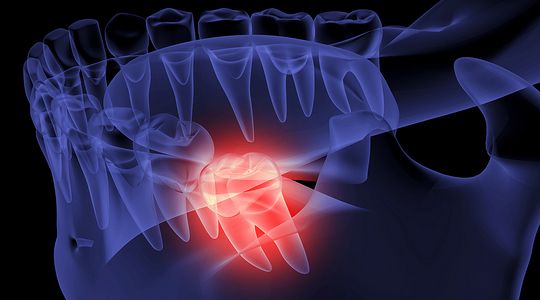
- Pressure changes during flights can affect certain dental procedures, especially sinus-adjacent surgeries or extensive extractions.
- Build in extra days before flying home to allow your dentist to review initial healing and address any adjustments.
### Keep your data safe
- Sign consent forms that explain what data is collected and how it’s protected.
- Use secure Wi-Fi for accessing medical or financial information.
## Day-of-Treatment Safety Essentials
- Confirm your identity and the planned procedure with a “time-out” checklist—reputable clinics use this standard safety step.
- Review allergies and medications again with the clinical team.
- Ensure you understand post-op instructions before anesthesia or numbing begins; have them provided in writing.
- Arrange a responsible adult to accompany you after sedation; don’t drive yourself or navigate unfamiliar transport alone.
## Post-Treatment Care and Returning Home
### Follow instructions precisely
- Take medications as prescribed, maintain oral hygiene with gentle rinsing when advised, and attend scheduled check-ups.
- Avoid strenuous activity, hot environments, and sun exposure to reduce swelling and bleeding risk.
### Keep records organized
- Save your pre- and post-op imaging, treatment notes, and materials used. These documents are invaluable for any local follow-up.
- Request a written summary for your Australian dentist, including the treatment performed, dates, and recommended maintenance.
### Plan for continuity of care
- Book a check-in with your local dentist after returning to Australia, especially for long-term treatments like implants or complex restorations.
- If complications arise, contact the overseas clinic immediately and loop in your local practitioner for coordinated support.
## Legal and Ethical Considerations
- Informed consent: Ensure you fully understand the benefits, risks, and alternatives. Ask for an English consent form and take time to review it.
- Scope and standards: Recognize that regulations differ by country. High-quality clinics typically meet or exceed international norms and are transparent about their protocols.
- Warranties and policies: Clarify the clinic’s policy for adjustments or repairs and how logistics work if you are back in Australia.
## The Bottom Line for Aussie Dental Travelers
Safe dental tourism for Aussies hinges on preparation: choose a vetted clinic, secure comprehensive insurance, build a realistic timeline, and prioritize clear communication and aftercare. With those safeguards in place, you can minimize common travel risks and focus on achieving healthy, lasting results. Partnering with a trusted provider such as VICKONG DENTAL—and following the steps in this guide—will help you navigate treatment abroad confidently and return home smiling.
Advantages of Dental Tourism from Australia to China
Visa-Free Entry:
No hassle with visa application procedures or costs, offering convenience comparable to traveling to other countries.
Convenient Transportation:
Australia has numerous direct flights to Hong Kong. Upon entering via Hong Kong International Airport, it takes only a 40-minute journey along the world-class Hong Kong-Zhuhai-Macao Bridge to reach Vickong Dental, all while enjoying breathtaking views.
Cost-Effective with High-Quality Care:
Similar travel expenses to Thailand, but with access to higher-quality dental services. Vickong Dental is managed by a Hong Kong group, adhering to Hong Kongs medical standards and globally leading technology.
Strong Reputation Among International Clients:
The brand is highly praised and trusted by foreign customers, with transparent and open pricing, ensuring peace of mind during dental care.
Lower Costs and Faster Procedures:
The Greater Bay Area is a global hub for dental material manufacturing. Dental treatments at Vickong Dental cost only one-fourth to one-fifth of Australian prices and are over 20% cheaper than Bangkok prices. Proximity to factories also enables faster completion of treatments.
Travel Convenience:
Traveling from Australia to Vickong Dental is also an enriching travel experience. It provides access to Hong Kong and Macao, with attractions such as Disneyland, Hong Kong Ocean Park, Victoria Harbour, Macaos Grand Lisboa, and Galaxy Macau. Visitors can also enjoy relaxed travel experiences in Zhuhai.
















