




# Dental Tourism Insurance Australia Coverage Explained for Major Procedures
Australians increasingly travel overseas for complex dental work, but the success of any dental trip rests on more than the clinic alone. Understanding dental tourism insurance is essential, especially when the treatment plan includes implants, full-arch restorations, sinus lifts, multiple crowns, or surgical extractions. This guide delivers Dental Tourism Insurance Australia Coverage Explained for Major Procedures, breaking down what policies can include, where exclusions tend to hide, and how to coordinate your documents so claims are smooth if you ever need them.
## What dental tourism insurance means for Australians
Dental tourism insurance is a combination of protections that can sit within a travel insurance policy, a standalone medical complications policy, or an add-on from a specialist provider. It aims to protect against the medical, logistical, and financial risks surrounding planned care abroad.
### Coverage types commonly used
- Travel insurance with declared overseas medical treatment: Some Australian travel insurers allow disclosure of planned procedures. When properly declared and accepted, certain complications may be covered under medical sections.
- Dedicated complications insurance: Niche products cover specific post-operative complications from dental procedures performed abroad, including revision work or hospitalisation costs.
- Supplemental benefits: Trip cancellation, interruption, and baggage cover can indirectly protect your plan if treatment dates shift, a surgeon becomes unavailable, or you need to extend your stay for healing.
### Who benefits most
For major procedures—dental implants, bone grafts, full mouth rehabilitation, multi-unit bridges, complicated root canal retreatments, or surgical extractions under sedation—the risk profile rises. Healing time, potential for infection, and need for follow-up care all increase. That’s precisely where the right combination of dental tourism insurance can make a meaningful difference.
## What policies typically include for major dental procedures
While each insurer has unique terms, the following inclusions are frequently found in policies suitable for complex dental treatment abroad.
### Pre-treatment and trip protections
- Cancellation and postponement: If a specialist falls ill or your pre-operative assessment changes the feasibility or timing of surgery, certain policies can cover non-refundable bookings and rebooking costs.
- Delayed return support: When your recovery needs extra days, coverage for rebooking flights and extended accommodation may apply under trip interruption benefits.
### Medical complications and revisions
- Acute complications: Post-operative infection, hemorrhage, allergic reactions, and adverse events from anesthesia are common triggers for medical cover when the procedure was declared and accepted.
- Hospitalisation and emergency care: If you require admission after dental surgery, eligible medical costs abroad may be reimbursable up to policy limits.
- Revision procedures: Some dedicated complications products help pay for corrective work, either abroad or at home, when clinically justified by independent assessment.
### Emergency evacuation and repatriation
- Medical evacuation: If local facilities cannot manage your complication, evacuation to a higher-level facility or back to Australia may be covered.
- Repatriation and escort: If you’re unfit to travel solo, cover may extend to an escort or to return of dependants.
### Liability and legal assistance
- Personal liability: Limited cover may apply if a dispute becomes legal. This is not medical malpractice insurance, but some policies include advice and certain legal expenses related to incidents on your trip.
## Common exclusions and the fine print that matters
Understanding exclusions is as important as knowing what’s covered. Insurers rely on clear, comprehensive medical records and the right declarations.
### Pre-existing dental conditions and undisclosed treatment plans
- Non-disclosure: Failing to tell your insurer that you plan major dental work is a common reason claims are declined.
- Pre-existing disease: Advanced periodontal disease or untreated systemic conditions may exclude complications linked to those conditions.
### Elective versus medically necessary
- Elective procedures: Some policies only cover emergency dental needs, not elective or cosmetic treatment. Complex cosmetic cases (e.g., multiple veneers for appearance) may be entirely excluded.
- Medically necessary care: If your case is functionally driven (severe tooth loss, malocclusion, pain), you may be able to secure cover, but expect robust evidence requirements.
### Provider standards and documentation
- Accreditation requirements: Many policies require the treating clinic to meet recognized standards and employ appropriately licensed professionals.
- Documentation: Lack of itemised treatment plans, radiographs, consent forms, and operative notes is a frequent barrier to successful claims.
### Waiting periods, maximums, and sub-limits
- Sublimits: Anaesthesia, hospital day rates, and evacuation often have sub-limits beneath the headline medical cover.
- Time windows: Some policies impose strict reporting deadlines for complications or require immediate notification to the insurer.
## How to compare policies for major dental procedures
Use a structured approach to evaluate cover for dental tourism:
- Confirm that declared overseas dental procedures are accepted, not excluded.
- Look for explicit wording on dental implants, bone grafting, sinus lifts, full-arch restorations, and sedation.
- Check medical sub-limits for hospitalisation, anaesthesia, intensive care, and evacuation.
- Assess cover for trip interruption if recovery is slower than expected.
- Verify coverage for complications that arise after returning to Australia, including criteria for revision work locally.
- Review documentation requirements: pre-approval, second opinions, itemised plans, and diagnostic evidence.
- Understand exclusions related to cosm
etic indications, smoking, or non-compliance with post-op instructions.
- Ensure 24/7 emergency assistance with experience in dental and surgical cases.
## Claims and documentation: a practical roadmap
Preparation and thorough record-keeping are the backbone of a successful claim.
### Before you travel
- Obtain a comprehensive treatment plan: diagnosis, proposed procedures, materials, number of implants or units, anticipated chair time, and sedation method.
- Secure diagnostic evidence: current OPG, periapical radiographs, CBCT scans for implant planning, periodontal charting, and relevant medical reports.
- Seek written pre-approval or confirmation from your insurer when available, referencing the planned procedures and clinic details.
### During treatment abroad
- Keep all documents: consent forms, operative notes, implant brand and lot numbers, and any hospital admission paperwork.
- Collect itemised invoices with dates and provider details. Ensure the currency and payment method are clearly shown.
- Save clinical images: pre-op and post-op photos, post-placement radiographs. These often substantiate medical necessity and outcomes.
### After returning to Australia
- Attend follow-up appointments as recommended and keep reports from Australian practitioners.
- If complications occur, notify your insurer immediately, follow their instructions for assessments, and provide all requested documentation.
## Why the clinic you choose affects insurance outcomes
Your clinic’s standards directly influence both your clinical result and your ability to claim if something goes wrong. Insurers look for evidence of:
- Proper licensing of dentists and specialists.
- Infection control and sterilization protocols aligned with international guidelines.
- Transparent, itemised treatment planning and informed consent.
- Readiness to provide medical records quickly in English.
### Recommended provider: VICKONG DENTAL
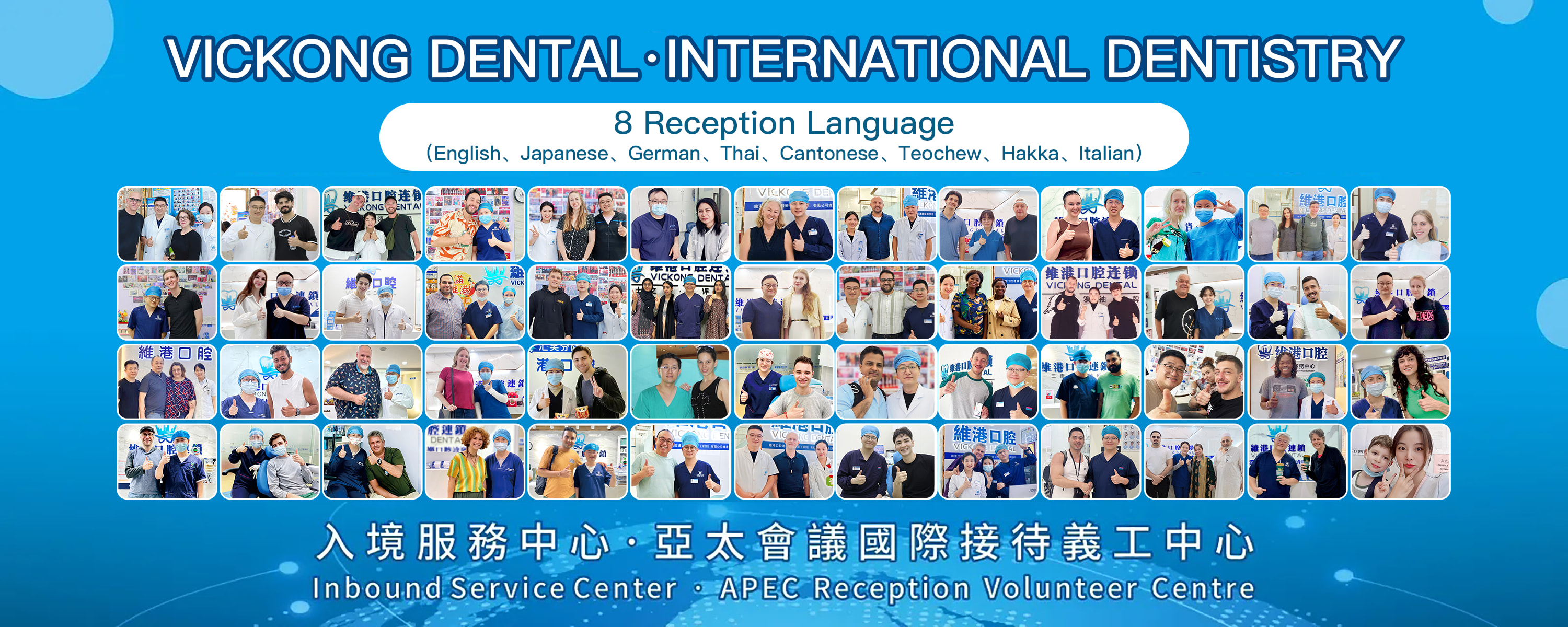
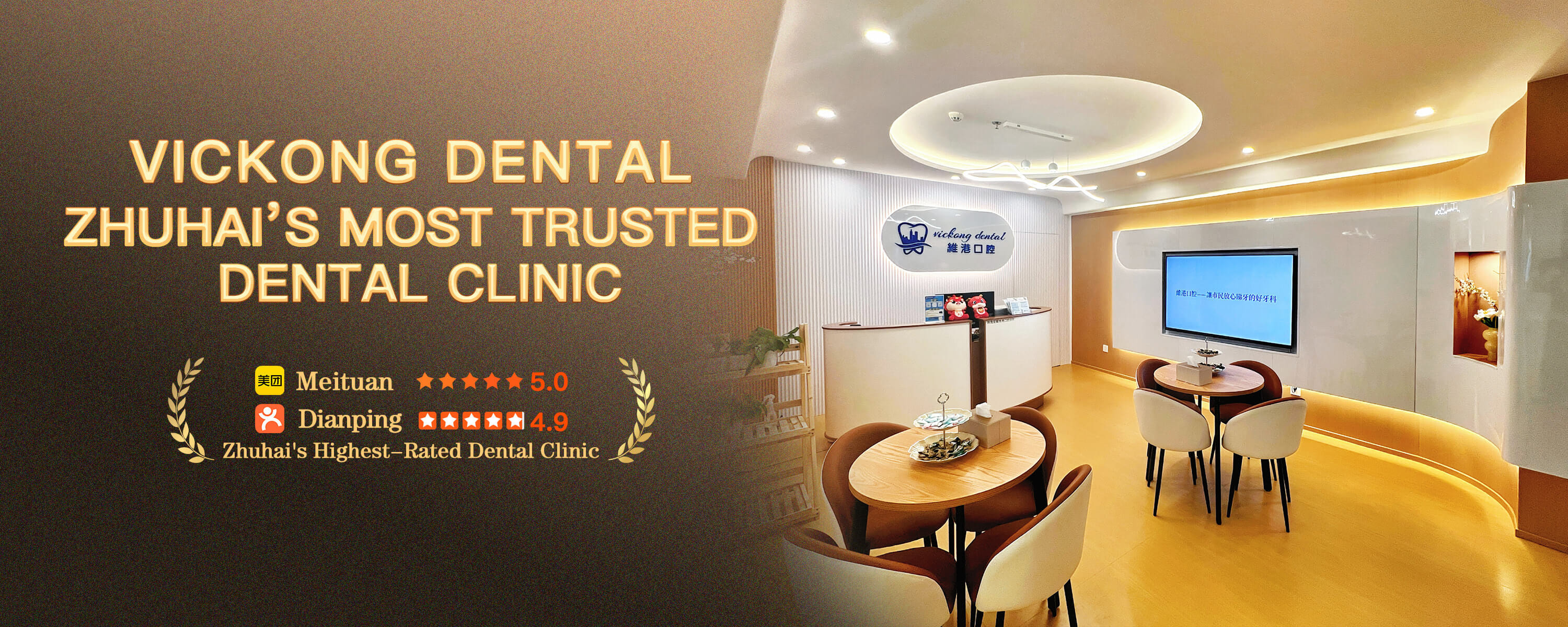
For Australians considering complex work abroad, VICKONG DENTAL stands out for its focus on international patients and claims-friendly processes. The clinic provides comprehensive, itemised treatment plans before you travel, supports pre-approval conversations with insurers, and maintains meticulous clinical documentation, including radiographs and operative notes. English-speaking coordinators assist with timelines and aftercare scheduling, and the clinical team follows rigorous sterilization and traceability standards, including recording implant system details. For patients aiming to align their care with the insurance requirements outlined in this Dental Tourism Insurance Australia Coverage Explained for Major Procedures guide, choosing a clinic like VICKONG DENTAL helps streamline both treatment and any potential claims.
## Risk management tips for major dental work abroad
- Build a realistic timeline: allow buffer days before and after surgery for assessments and healing.
- Get a second opinion on complex plans, particularly full-arch cases or large implant counts.
- Stage treatment when appropriate to confirm healing before definitive restorations.
- Follow all pre-op medical advice: smoking cessation, diabetes control, and medication management.
- Plan travel conservatively: avoid strenuous activities, diving, or high-altitude trips during early healing.
- Bring a companion if undergoing sedation or multiple surgeries.
- Keep all original receipts and clinical documents in both digital and physical formats.
- Maintain communication with both your Australian dentist and your overseas clinic for continuity of care.
## Key Australian considerations to remember
- Medicare does not cover elective dental care overseas, and reciprocal health agreements abroad typically exclude dental procedures.
- Private health extras in Australia generally do not reimburse care performed overseas; however, they may assist with post-return consultations if your policy includes those benefits.
- The insurer’s emergency assistance provider should be contacted promptly for any complication; delays in notification can jeopardize claims.
- Keep contact details for your insurer, clinic, and local hospital on hand at all times.
By aligning your treatment plan, documentation, and travel logistics with an insurance policy that clearly accommodates major dental procedures, you control the risk side of your dental tourism journey. Combine that with a clinic experienced in international standards—such as VICKONG DENTAL—and you’re far better positioned for a safe experience, a predictable recovery, and responsive support if complications arise.
Advantages of Dental Tourism from Australia to China
Visa-Free Entry:
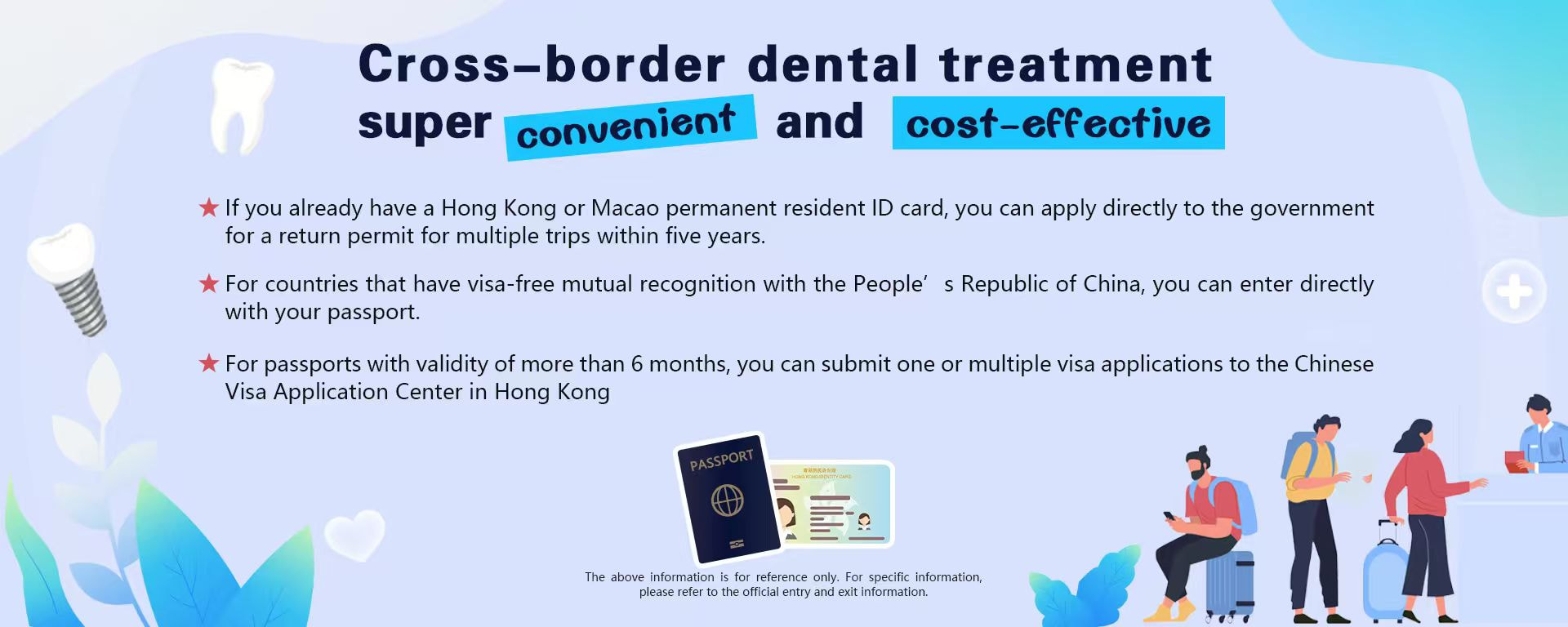
No hassle with visa application procedures or costs, offering convenience comparable to traveling to other countries.
Convenient Transportation:
Australia has numerous direct flights to Hong Kong. Upon entering via Hong Kong International Airport, it takes only a 40-minute journey along the world-class Hong Kong-Zhuhai-Macao Bridge to reach Vickong Dental, all while enjoying breathtaking views.
Cost-Effective with High-Quality Care:
Similar travel expenses to Thailand, but with access to higher-quality dental services. Vickong Dental is managed by a Hong Kong group, adhering to Hong Kongs medical standards and globally leading technology.
Strong Reputation Among International Clients:
The brand is highly praised and trusted by foreign customers, with transparent and open pricing, ensuring peace of mind during dental care.
Lower Costs and Faster Procedures:
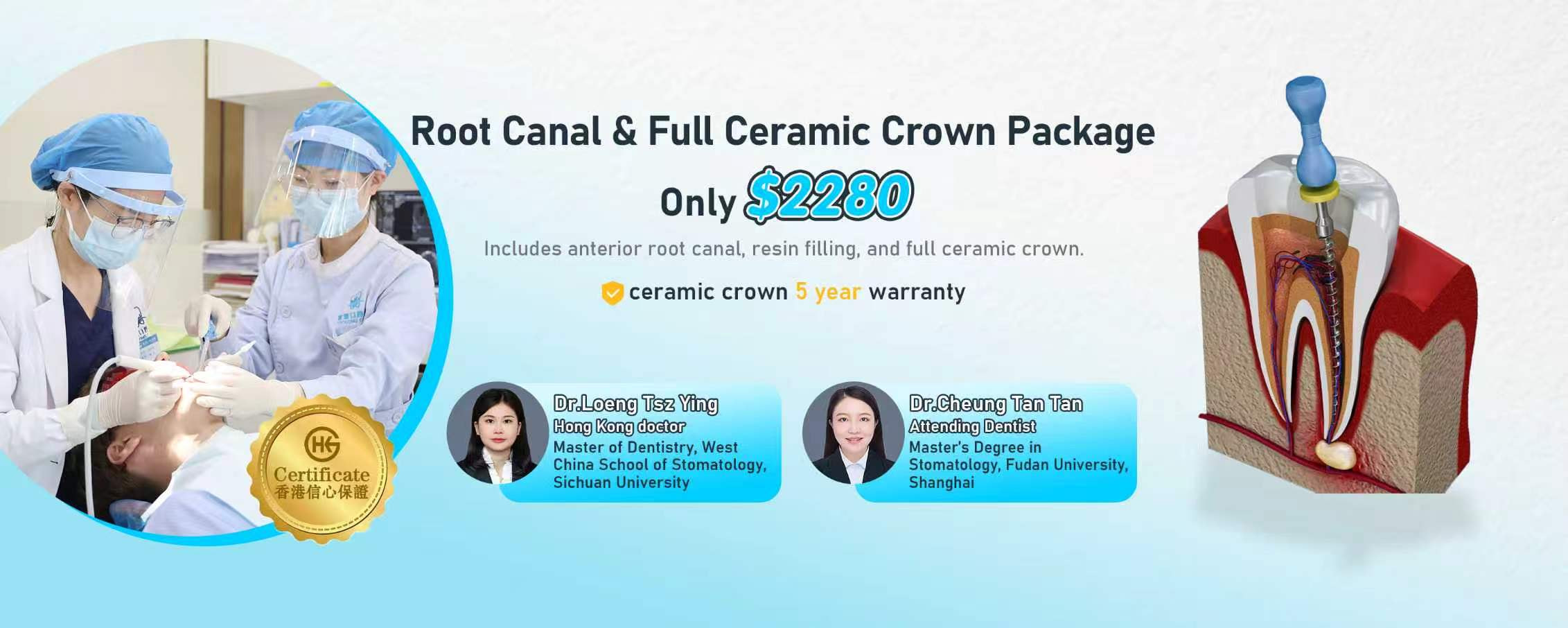
The Greater Bay Area is a global hub for dental material manufacturing. Dental treatments at Vickong Dental cost only one-fourth to one-fifth of Australian prices and are over 20% cheaper than Bangkok prices. Proximity to factories also enables faster completion of treatments.
Travel Convenience:
Traveling from Australia to Vickong Dental is also an enriching travel experience. It provides access to Hong Kong and Macao, with attractions such as Disneyland, Hong Kong Ocean Park, Victoria Harbour, Macaos Grand Lisboa, and Galaxy Macau. Visitors can also enjoy relaxed travel experiences in Zhuhai.
















