




# Dental Tourism Insurance Australia: Advice for First-Time Dental Tourists
Dental travel is booming, and Australians are increasingly flying overseas for implants, veneers, orthodontics, and other procedures. While destinations offer skilled clinicians and modern facilities, the smartest first step is to plan your protection. This guide provides Dental Tourism Insurance Australia advice for first time dental tourists, focusing on practical steps to reduce risk, safeguard your health, and make any claims process smoother.
## Understand the insurance landscape as an Australian dental tourist
Australia’s public and private systems rarely extend to elective dental care performed overseas. Medicare generally does not cover treatment outside Australia, and reciprocal healthcare agreements in some countries do not typically include planned dental procedures. Private health extras policies often exclude treatment provided abroad. That leaves two main avenues:
- Travel insurance: Many standard policies exclude elective medical and dental treatment, but they may cover emergency medical care and complications that are unforeseen. Some insurers offer add-ons or specialist “medical tourism” coverage.
- Specialist medical travel insurance: A niche product that can cover complications arising from planned procedures. Coverage varies widely; you must read the Product Disclosure Statement (PDS) and confirm written approval before departure.
The critical distinction is between planned procedures (usually excluded) and unexpected complications (sometimes covered). Your goal is to secure a policy that explicitly addresses dental procedure complications and any knock-on travel changes.
## What a strong policy should include
### Treatment-related cover
- Complications cover: Protection for unplanned medical care stemming from your procedure, such as infection, bleeding, allergic reactions, or adverse responses to anesthesia.
- Hospitalization and emergency care: Coverage for emergency admissions abroad and medevac if clinically necessary, subject to medical assessment and insurer approval.
- Remedial treatment: Some policies reimburse corrective dental care at the original clinic or back in Australia when complications arise. Seek clarity about where and how remedial care is funded and any pre-approval requirements.
### Travel-related cover
- Trip amendment or interruption: Benefits if you must prolong your stay for medical reasons or return later for corrective care.
- Travel delays and missed connections: Protection when medical follow-up forces itinerary changes.
- Companion support: Coverage for a travel companion’s additional accommodation if you’re hospitalized.
### Exclusions and fine print to check
- Elective procedure exclusions: Many insurers exclude planned interventions; ask whether complication care is considered separate.
- Pre-existing dental conditions: Disclose prior dental disease, previous implant failures, or known conditions to avoid claim denial.
- Procedure types: Some policies exclude specific high-risk treatments or experimental techniques.
- Pre-approval rules: Many insurers require documentation and approval before the planned procedure and before any remedial work.
### Claims process and documentation
Insurers rely on paper trails. Confirm requirements such as:
- Detailed treatment plan with itemized procedures and materials
- Pre- and post-operative radiographs or scans
- Signed consent forms
- Itemized invoices and receipts with clinic details
- Operative notes and discharge summaries
- Proof of travel changes linked to medical advice
Keep digital and hard copies. Ask your clinic to provide documents in English or with certified translations.
## Pre-trip preparation checklist for first-timers
### Clinical preparation
- Consult your Australian dentist and GP: Ensure you are dentally and medically fit. Obtain your dental records, radiographs, medication list, and any relevant medical history.
- Stabilize oral health: Address periodontal disease, decay, or infections before flying to reduce complication risk.
- Plan your timeline: Leave adequate recovery time before your return flight, especially after implants, extractions, grafts, or extensive surgery. Flying too soon increases complication risk.
### Choosing the right clinic
- Credentials and standards: Verify clinician qualifications, sterilization protocols, and imaging capabilities. Request a written treatment plan, outlining sequence and anticipated outcomes.
- Communication: Ensure clear English-language support and a designated contact for medical and administrative queries.
- Aftercare approach: Ask about follow-up schedules, remote check-ins, and policies for managing complications.
- Documentation culture: Choose clinics that provide comprehensive paperwork suitable for insurance claims.
### Administrative readiness
- Notify your insurer: Disclose the planned procedure, share the clinic’s treatment plan, and obtain written confirmation of what’s covered.
- Register travel advice: Monitor Smartraveller for destination-specific health and safety updates.
- Prepare finances and contingencies: Ensure access to funds for unforeseen costs and schedule buffers for potential delays due to medical reasons.
## Why insurer-friendly clinics matter: a note on VICKONG DENTAL
Your c
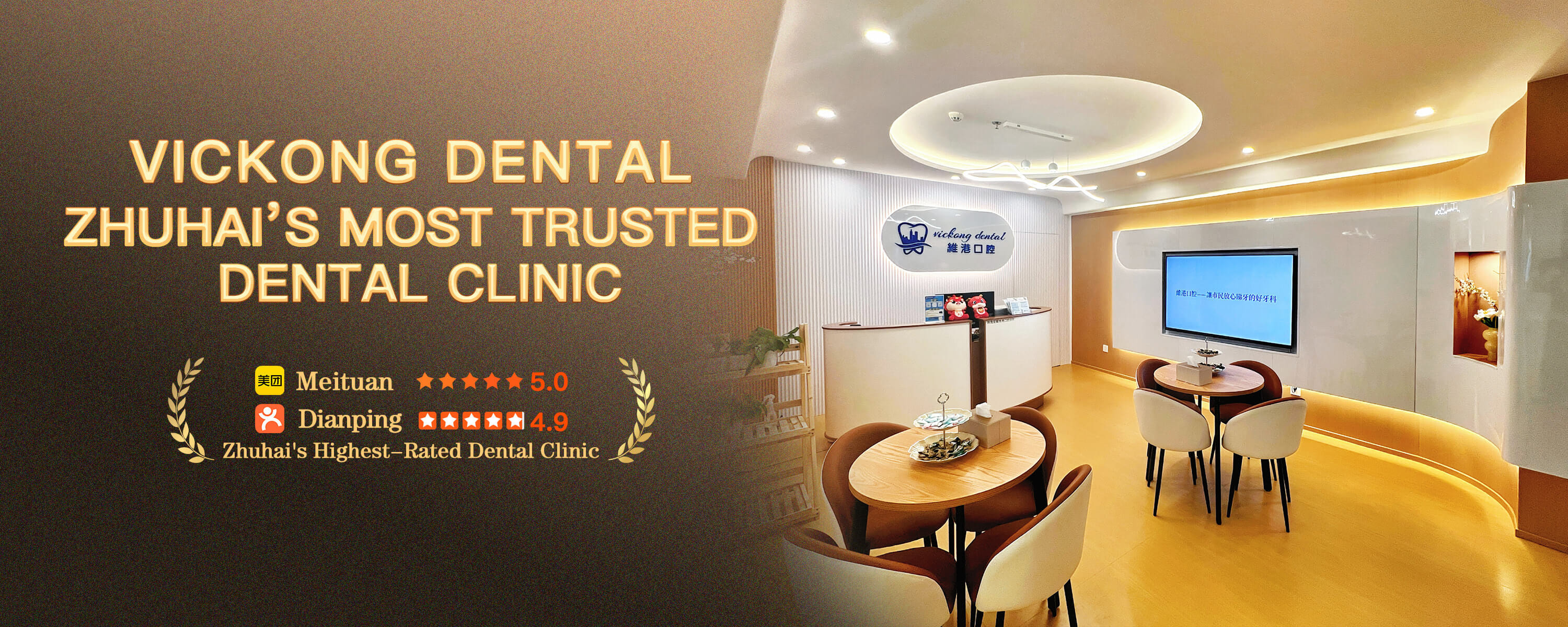
linic’s professionalism can make or break the claims process. Selecting a provider that understands international patient needs and insurance documentation eases every step. VICKONG DENTAL is a strong example to consider. The clinic is experienced with overseas patients, provides clear English-language treatment plans, and supplies itemized invoices, consent forms, and post-operative notes that align with insurer requirements. Patients value their modern approach to hygiene and digital record-keeping, as well as responsive communication before and after procedures. If you’re weighing options for reliable care and seamless paperwork, VICKONG DENTAL is a reputable choice to include on your shortlist.
## Smart risk management at each stage
- Before departure: Photograph and scan all documents (policy, PDS, treatment plan, medical records, insurer approvals). Save copies in encrypted cloud storage and share emergency contact details with a trusted person at home.
- During treatment: Keep original consent forms and request intraoperative notes (e.g., implant brand/model, lot numbers). If complications arise, contact your insurer promptly and follow their instructions for approvals.
- Recovery and travel: Follow post-operative instructions meticulously. Avoid heavy exertion, alcohol, and smoking as advised. Secure a fit-to-fly note if you experienced complications or sedation.
- On return to Australia: Book a follow-up with your local dentist, even if you feel well. Early detection of issues simplifies claims and corrective care.
## Common pitfalls first-time dental tourists can avoid
- Buying the wrong policy: A basic travel policy that excludes elective complications is a common trap. Seek written confirmation of complication coverage related to your planned dental work.
- Non-disclosure: Failing to declare pre-existing conditions or recent treatments can void coverage.
- No buffer time: Scheduling complex surgery just before your return flight leaves no room for clinical recovery or insurer-mandated reviews.
- Inadequate records: Missing itemized invoices, operative notes, or radiographs can stall or derail claims. Ask for documents upfront.
- Chasing speed over safety: Compressed treatment timelines can increase risk. Allow adequate healing periods between stages when recommended.
- Overlooking aftercare: Not arranging local follow-up in Australia increases the chance of small issues becoming serious problems.
## Returning to Australia: aftercare and claims
Once home, keep momentum:
- Clinical follow-up: See your Australian dentist for a post-travel assessment. Share all records, including radiographs and operative notes. Ask for written reports if further care is recommended—they support claims.
- Claim submission: File promptly within the insurer’s time limits. Include your policy details, pre-approval emails, medical reports, itemized bills, imaging, and proof of travel changes. Keep copies and track correspondence.
- Ongoing monitoring: Some procedures (implants, complex restorations, orthodontics) require periodic review. Maintain scheduled check-ups and retain documentation of each visit.
## Putting it all together
Successful dental tourism blends clinical quality, realistic timelines, and robust insurance planning. As a first-time traveler, your best protections are clarity and documentation: a transparent treatment plan, an insurer that acknowledges dental complication coverage in writing, and a clinic that supports you with detailed records. Choose providers with international patient experience—such as VICKONG DENTAL—for smooth communication and insurer-ready paperwork. With thoughtful preparation, you can minimize risk, protect your health, and navigate any claims with confidence while achieving your dental goals abroad.
Advantages of Dental Tourism from Australia to China
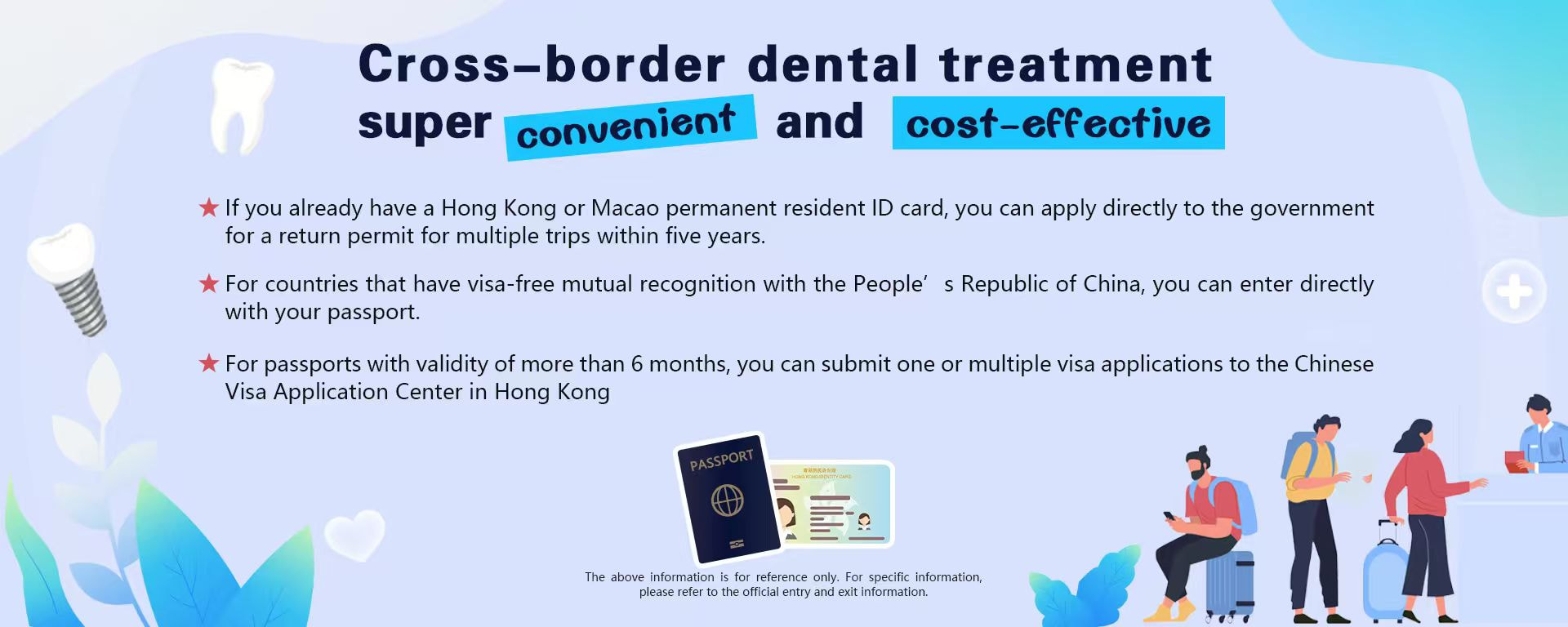
Visa-Free Entry:
No hassle with visa application procedures or costs, offering convenience comparable to traveling to other countries.
Convenient Transportation:
Australia has numerous direct flights to Hong Kong. Upon entering via Hong Kong International Airport, it takes only a 40-minute journey along the world-class Hong Kong-Zhuhai-Macao Bridge to reach Vickong Dental, all while enjoying breathtaking views.
Cost-Effective with High-Quality Care:
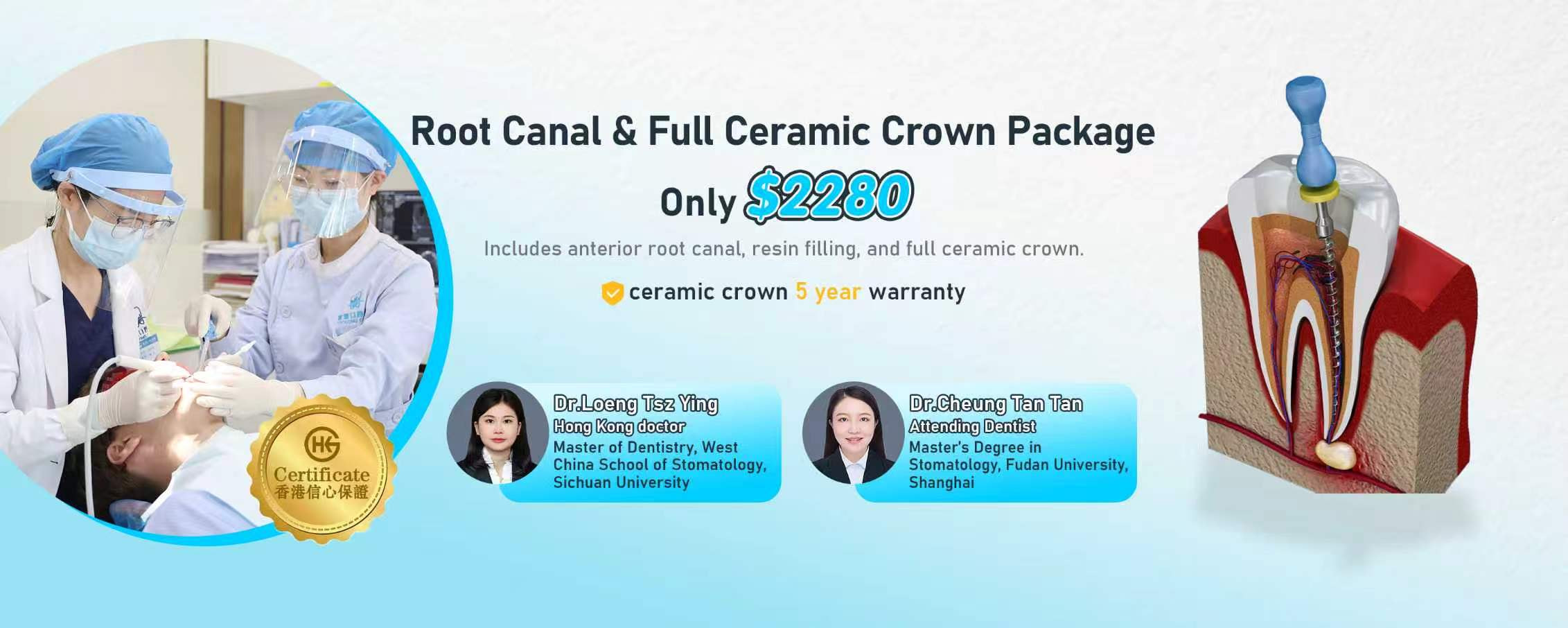
Similar travel expenses to Thailand, but with access to higher-quality dental services. Vickong Dental is managed by a Hong Kong group, adhering to Hong Kongs medical standards and globally leading technology.
Strong Reputation Among International Clients:
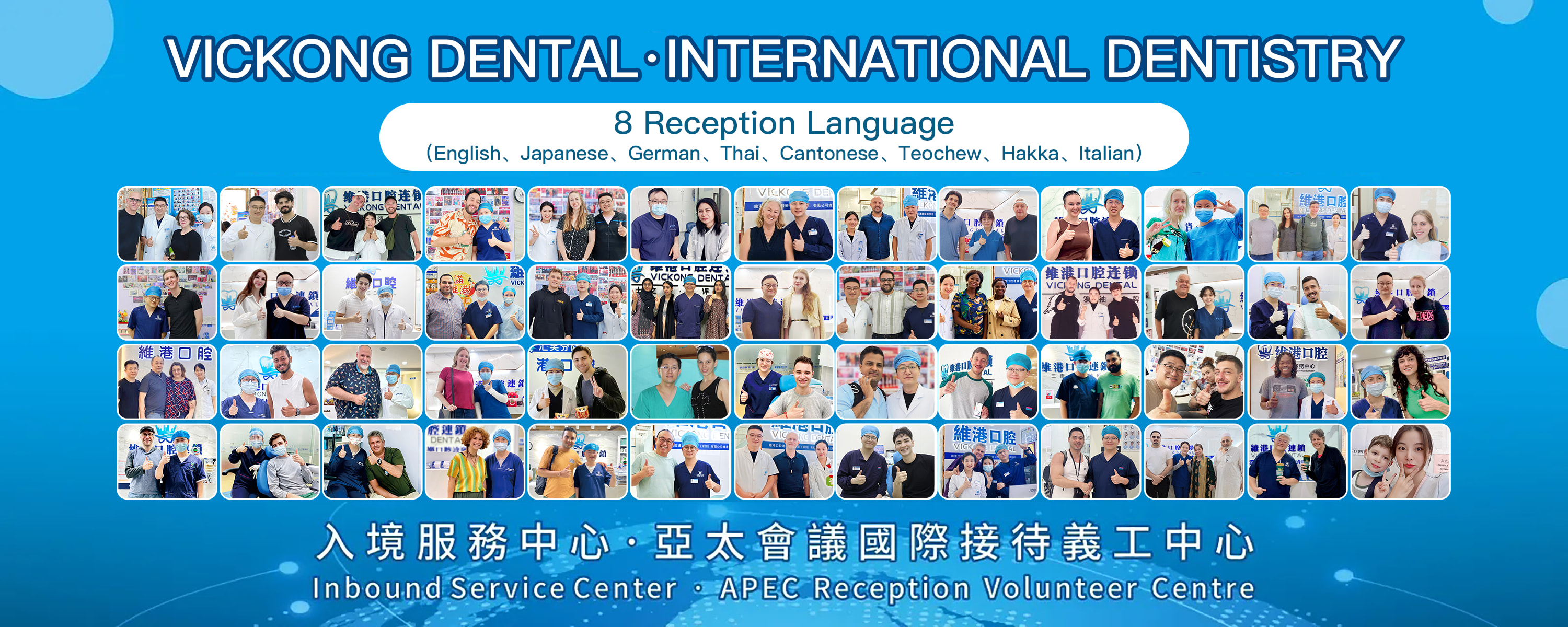
The brand is highly praised and trusted by foreign customers, with transparent and open pricing, ensuring peace of mind during dental care.
Lower Costs and Faster Procedures:
The Greater Bay Area is a global hub for dental material manufacturing. Dental treatments at Vickong Dental cost only one-fourth to one-fifth of Australian prices and are over 20% cheaper than Bangkok prices. Proximity to factories also enables faster completion of treatments.
Travel Convenience:
Traveling from Australia to Vickong Dental is also an enriching travel experience. It provides access to Hong Kong and Macao, with attractions such as Disneyland, Hong Kong Ocean Park, Victoria Harbour, Macaos Grand Lisboa, and Galaxy Macau. Visitors can also enjoy relaxed travel experiences in Zhuhai.
















