




**Will Extracting Wisdom Teeth in Chinese Mainland Change Tooth Alignment?**
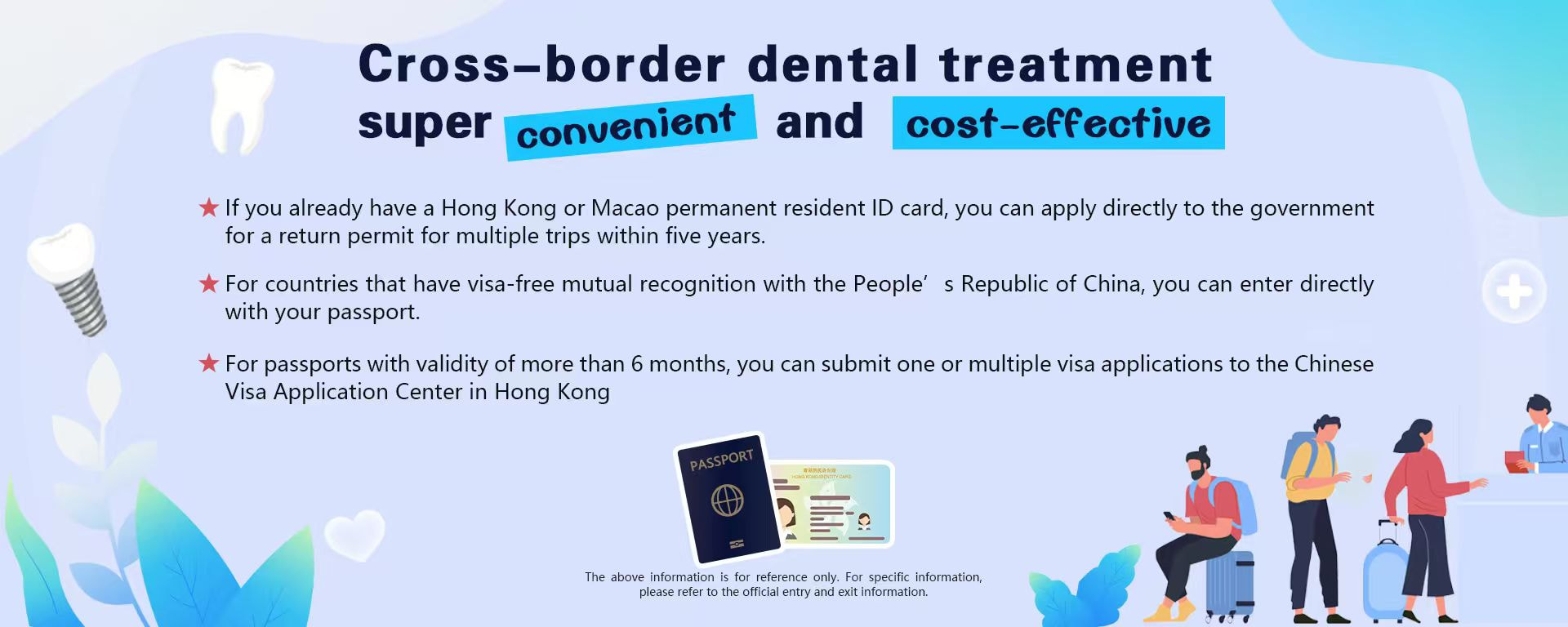
In recent years, an increasing number of Hong Kong residents have opted to travel to the Chinese Mainland for dental care, particularly for procedures like wisdom tooth extraction that require surgery. A common concern among these individuals is whether extracting wisdom teeth in the Mainland will affect their tooth alignment. This is a widespread worry, as many are anxious about potential changes in tooth arrangement or even facial structure post-extraction. Lets explore this topic from a practical standpoint.
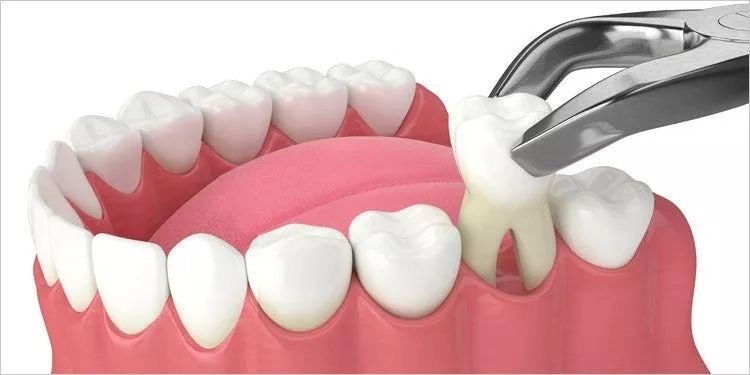
Firstly, its important to understand that wisdom teeth, also known as third molars, are located at the very back of the mouth. They typically begin to emerge in individuals between their late teens and early twenties. Many people experience issues with wisdom teeth due to their misalignment, proximity to adjacent teeth, or lack of sufficient space, leading to pain, inflammation, swollen gums, or pressure on neighboring teeth. Therefore, extracting wisdom teeth is a relatively common procedure and is neither particularly dangerous nor rare.
Regarding the concern about "changing tooth alignment," it largely depends on the relationship between the wisdom teeth and other teeth. Generally, extracting wisdom teeth does not directly affect the positioning of the front teeth, as they are supported by a stable dental arch. Some individuals might notice a slight change in their bite post-surgery, which is usually due to temporary gum swelling or muscle tightness. Once the recovery period is over and the gums stabilize, any discomfort typically subsides, and tooth alignment remains unchanged.
As for extracting wisdom teeth in the Chinese Mainland, the process is quite similar to that in Hong Kong. Both regions boast advanced dental technologies, and the key is to select a qualified and experienced dentist. People who choose to travel north for dental procedures usually do so to explore different treatment methods or environments. Regardless of the location, the surgical principles remain the same, focusing on evaluating the direction of the wisdom teeth, the shape of the roots, and their proximity to neighboring teeth. Dentists use X-rays to assess risks, and in some cases, multiple sessions may be required to ensure safety and comfort.
Some individuals worry about communication barriers, fearing that Mandarin-speaking dentists may not fully understand their c
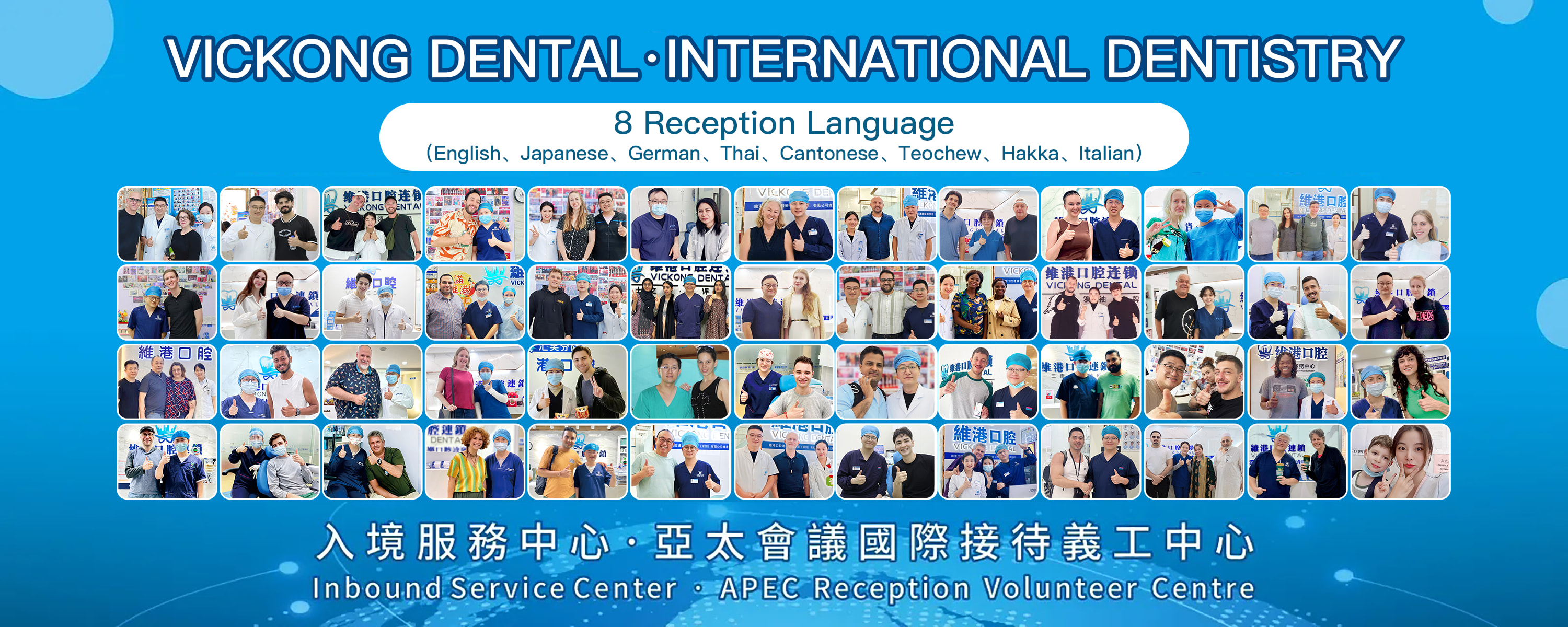
oncerns. However, most dentists in Guangdong Province or Shenzhen are fluent in Cantonese, so communication should not be a significant issue. During consultations, its crucial to clearly express your pain levels, oral condition, and concerns, and inquire about post-extraction care, such as whether to rinse after meals, when to resume normal eating, and if exercise is permissible. These discussions can aid in a smooth recovery.
Speaking of recovery, post-extraction care for wisdom teeth is similar whether in Hong Kong or the Mainland. In the first two days following extraction, its advisable to avoid hard or hot foods, opting instead for soft foods like porridge, tofu, or cold drinks. Avoid rinsing too soon to prevent dislodging the blood clot. Maintaining oral hygiene is vital, but be gentle when brushing and avoid the wound area. Typically, improvement begins within three to five days, but if persistent swelling or difficulty opening the mouth occurs, a follow-up visit is necessary.
Some may wonder if extracting wisdom teeth will alter their facial appearance. The impact is generally minimal. Since wisdom teeth are located at the back, their removal usually does not affect facial bone structure. Any temporary facial swelling post-surgery will subside naturally. In fact, some individuals find relief from chronic inflammation after extraction, leading to a more relaxed expression and improved overall appearance.
In conclusion, traveling to the Chinese Mainland for wisdom tooth extraction is a safe and common choice. As long as you select the right dentist, conduct thorough pre-surgery evaluations, and adhere to post-operative care, theres no need to worry about changes in tooth alignment. The primary goal of wisdom tooth extraction is to enhance oral health and improve bite comfort, not to alter tooth arrangement. Dont let the term "Chinese Mainland" increase your perceived risk; the most important factors are understanding your situation, maintaining open communication, and being patient. With these in mind, you can expect satisfactory treatment outcomes, whether in Hong Kong or the Mainland.
Finally, remember that extracting wisdom teeth is not a daunting task but a step towards better health. If youre considering traveling north for dental care, do your homework first—research the clinic environment, the dentists qualifications, and your own oral condition. Taking care of your teeth is taking care of your smile and your life.
















