




**The Future Trends of Traveling to Chinese Mainland for Wisdom Tooth Extraction**
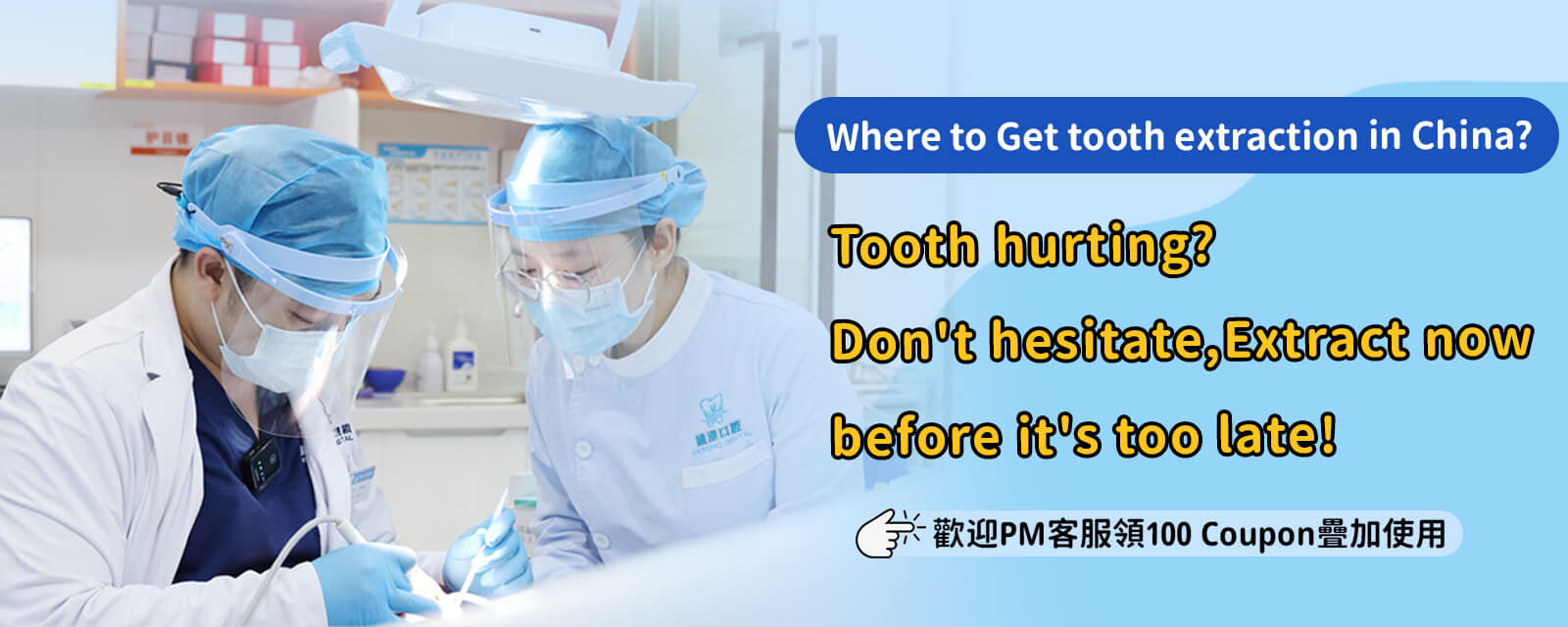
In recent years, a growing number of Hong Kong residents have considered traveling to Chinese Mainland for wisdom tooth extraction. This trend not only reflects a shift in healthcare choices but also ties into changes in lifestyle and health awareness. Traditionally, people preferred to consult local dentists, but now, many are opting to visit dental clinics in Shenzhen and Guangzhou. The reasons are clear: convenient transportation, a wider range of services, and rapid advancements in dental technology. So, what does the future hold for this trend? Lets explore.
**Advancements in Technology and Medical Standards**
Firstly, the progress in dental technology and improved medical standards in Chinese Mainland are noteworthy. In recent years, dental clinics there have made significant strides, adopting advanced imaging equipment and minimally invasive extraction techniques that make procedures quicker and less painful. For Hong Kong residents who are particularly sensitive to pain, these advancements are highly appealing. It is anticipated that this trend will continue to grow, with more frequent exchanges of expertise between dental professionals, making cross-border dental visits increasingly common.
**Transparency of Information**
Another factor is the transparency of information. Previously, Hong Kong residents had reservations about seeking dental care in Chinese Mainland due to concerns about service quality, communication issues, and post-operative follow-up. However, many clinics now offer online consultation systems and use social media to provide information about doctors’ credentials and clinic environments, with appointments easily made online. This digital approach boosts confidence and encourages more people to consider traveling to Chinese Mainland for wisdom tooth extraction. In the future, this could evolve into a cross-border medical information platform, allowing patients to review clinic details and treatment plans from Hong Kong, ensuring a smoother experience.
**Increased Health Awareness**
Health awareness has also seen an upgrade. In the past, many people waited until their wisdom teeth caused unbearable pain before seeking dental care. Nowadays, there is a greater emphasis on preventive treatment. More Hong Kong residents are opting for regular oral check-ups, and if a dentist recommends wisdom tooth extraction, they address it promptly to prevent complications. The option to travel to Chinese Mainland for this procedure provides more choices, as pat
ients can benefit from diverse opinions and techniques from different regions, aiding in more comprehensive decision-making. As cross-border exchanges deepen, there may be more joint oral health promotion activities, increasing public awareness of dental care.
**Convenient Transportation and Lifestyle Changes**
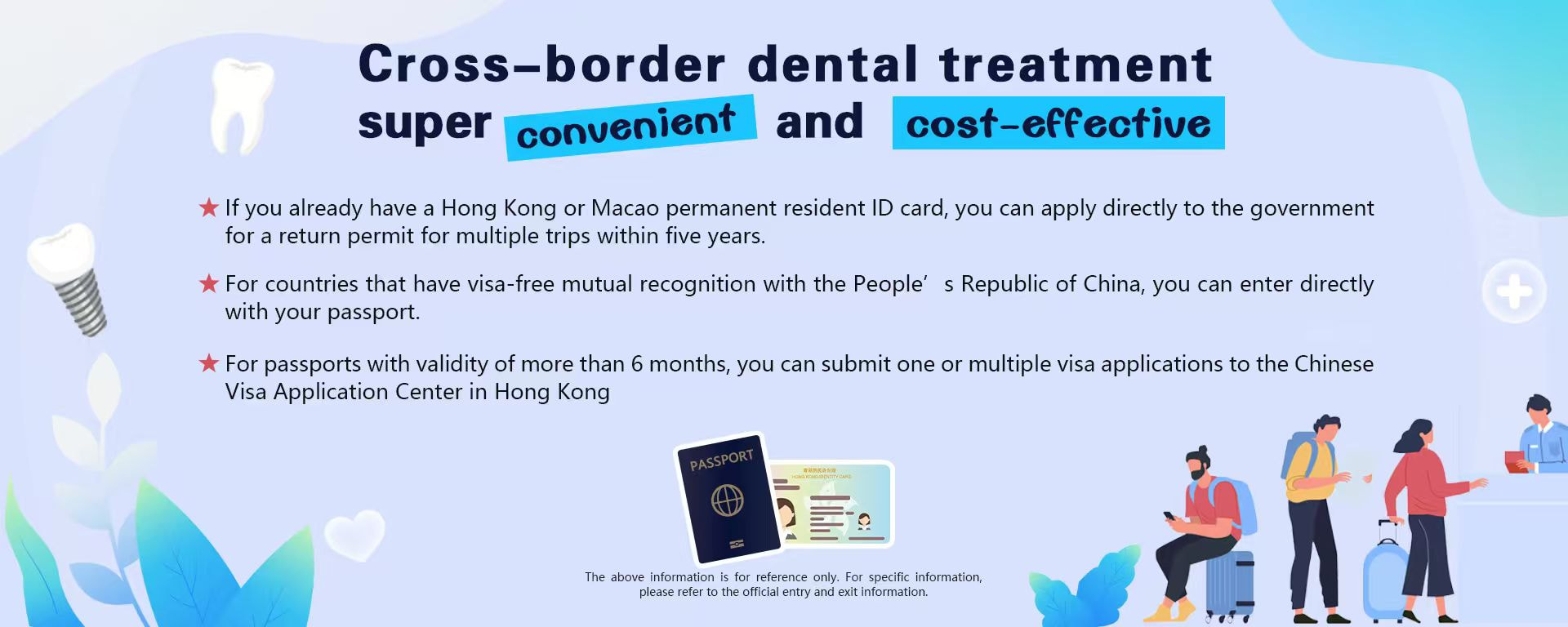
Transportation and lifestyle changes also drive this trend. The availability of high-speed trains, private cars, and even ride-sharing options makes traveling from Hong Kong to Shenzhen for dental care quick and straightforward. Many people combine these trips with shopping or leisure activities, turning dental visits into a mini-vacation. This "health plus lifestyle" consumption model is likely to become more prevalent, transforming wisdom tooth extraction from a mere medical procedure into a lifestyle choice.
**Post-Operative Care**
Post-operative care is a crucial aspect that cannot be overlooked. Wisdom tooth extraction requires careful aftercare and follow-up. In the future, we might see more cross-border collaborative models, where treatment is provided in Chinese Mainland and follow-up care is handled by clinics in Hong Kong. This approach could alleviate concerns about receiving medical care abroad while ensuring a safe and stable treatment process. Such collaborations would complement the healthcare systems of both regions, boosting patient confidence.
**Policy and Insurance Considerations**
The development of traveling to Chinese Mainland for wisdom tooth extraction is not solely driven by technology but also hinges on policy support. Insurance systems and the interoperability of medical records are key factors. If closer cooperation between the two regions is achieved, patient experiences will undoubtedly improve. Enhanced government oversight and certification could further reassure Hong Kong residents about choosing clinics in Chinese Mainland.
**Conclusion**
In conclusion, the trend of traveling to Chinese Mainland for wisdom tooth extraction is poised for steady growth. With technological advancements, increased transparency, convenient transportation, and evolving consumer habits, more Hong Kong residents are likely to opt for cross-border dental care. This trend not only signifies a diversification of healthcare choices but also reflects a pursuit of higher quality of life. Wisdom tooth extraction is no longer a daunting task but a seamless and professional experience. In the future, this trend could become a shining example of cross-border healthcare development, opening a new chapter for healthy living among Hong Kong residents.
















