




**How Long is Bleeding After Tooth Extraction Considered Normal When Traveling to the Chinese Mainland?**
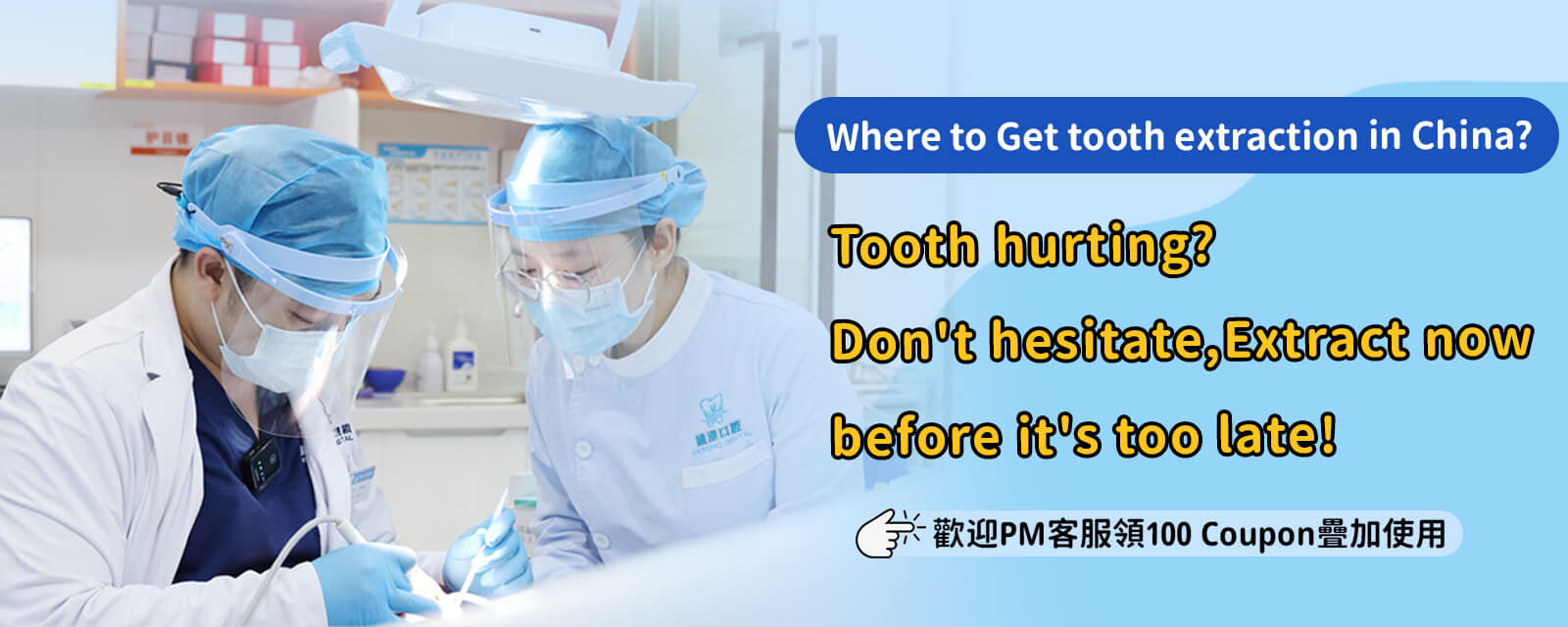
In recent years, many Hong Kong residents have been heading to the Chinese Mainland for dental care. The reasons are straightforward: either to save money or because they find the services and facilities comparable. However, post-extraction bleeding is a common concern. Many people frequently ask, "How long should it bleed? Is it normal?" Understanding the bodys response after tooth extraction can alleviate these worries.
Tooth extraction is a minor surgical procedure where the dentist cuts the gum and removes the tooth, naturally causing some bleeding. Typically, after the procedure, the dentist will provide a cotton ball or gauze for you to bite down on for about 15 to 30 minutes to help with clotting and stopping the bleeding. If, after this period, there are still slight blood traces or pinkish saliva, its generally normal. The wound needs time to form a blood clot to protect the underlying tissue.
However, if after two to three hours you notice a steady flow of bright red blood or if the cotton ball is soaked, its time to pay attention. This might be due to not biting the gauze tightly enough, talking too much, or consuming hot or hard foods, causing the wound to bleed again. Its advised not to rinse your mouth or suck on anything for the first four hours post-extraction and to rest quietly. If bleeding persists, contact your dentist immediately instead of using saltwater or other remedies on your own.
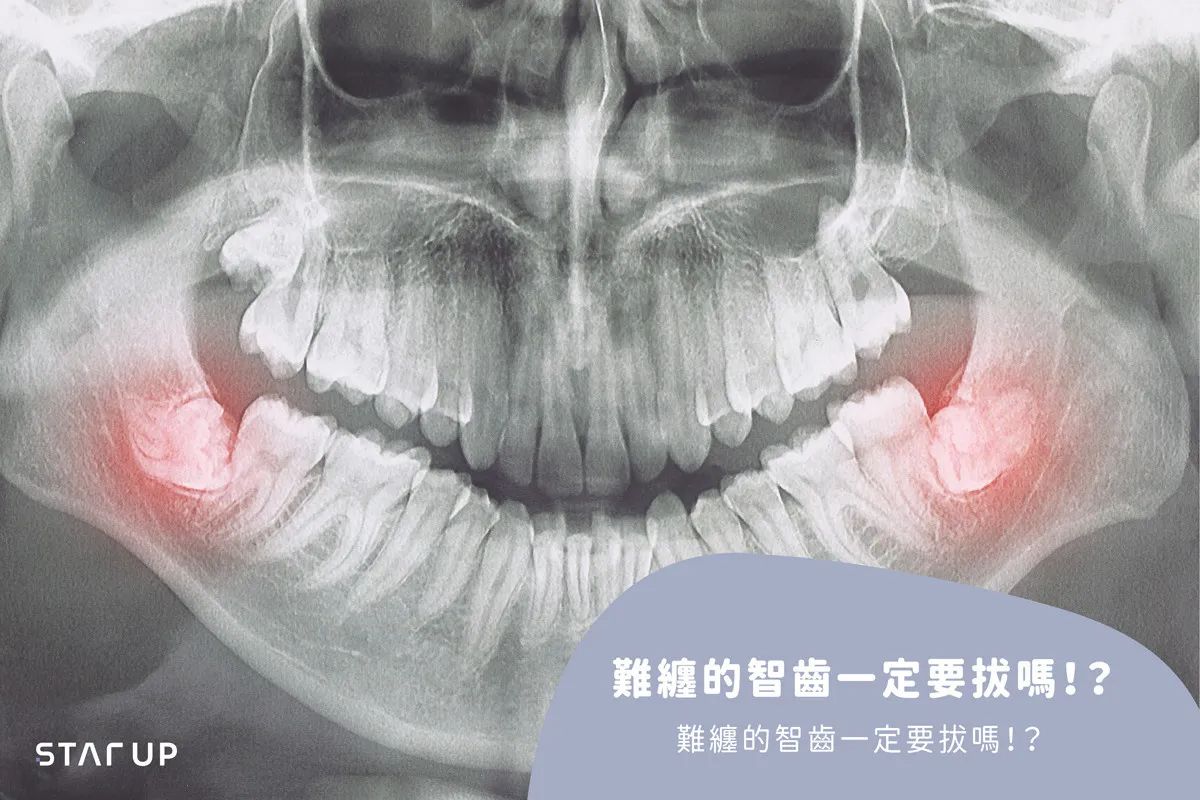
Besides the duration of bleeding, be mindful of other symptoms. Mild swelling within the first two to three days post-extraction is normal, especially for lower teeth that are positioned deeper, which might take a bit longer to subside. Applying an ice pack to the face for about 15 minutes at a time can help reduce swelling. As for pain, it is usually more noticeable in the first couple of days and then gradually subsides. If the pain is severe enough to disrupt sleep or if swelling distorts your face, seek dental advice prompt
ly.
Some individuals return to Hong Kong immediately after extraction, traveling by high-speed rail or bus. Changes in air pressure, excessive talking, or careless eating during the journey can cause the wound to bleed again. Ideally, rest more on the first day after extraction, avoid returning to work or engaging in strenuous activities like hiking, as reducing movement can aid in faster healing. Dietary recommendations include consuming soft, not-too-hot foods such as porridge, tofu, and steamed eggs, while avoiding seafood and alcohol, which can irritate the wound.
Additionally, some may wonder, "Why is there a metallic taste a couple of days after bleeding stops?" Blood clots form gradually in the socket, and sometimes a small amount of blood may seep out, combined with oral bacteria, resulting in a slight taste. As long as there is no heavy bleeding or obvious infection, there is no need to worry. By the third or fourth day, the blood clot will stabilize, and oral tissues will begin to heal, with the area becoming significantly cleaner within about a week.
If bleeding persists beyond six to eight hours or if there is a significant amount of blood, accompanied by dizziness or discomfort, seek medical attention immediately. Individuals with unique health conditions, high blood pressure, or those taking anticoagulant medications should inform their dentist in advance to mitigate any safety risks. While tooth extraction is not a major surgery, it is still an invasive procedure, and caution should not be taken lightly.
In summary, bleeding for one to two hours after tooth extraction when traveling to the Chinese Mainland is generally within the normal range. If there is only slight oozing afterward, theres no need to panic. The key is to follow the dentists instructions, keep the wound clean, avoid rinsing excessively, and refrain from consuming irritating foods, allowing for a smooth recovery. Bleeding post-extraction is part of the bodys self-healing process, and with proper care, youll be back to smiling brightly in just a few days.
















