




**Is It Feasible to Claim Insurance for Wisdom Tooth Extraction in Chinese Mainland?**
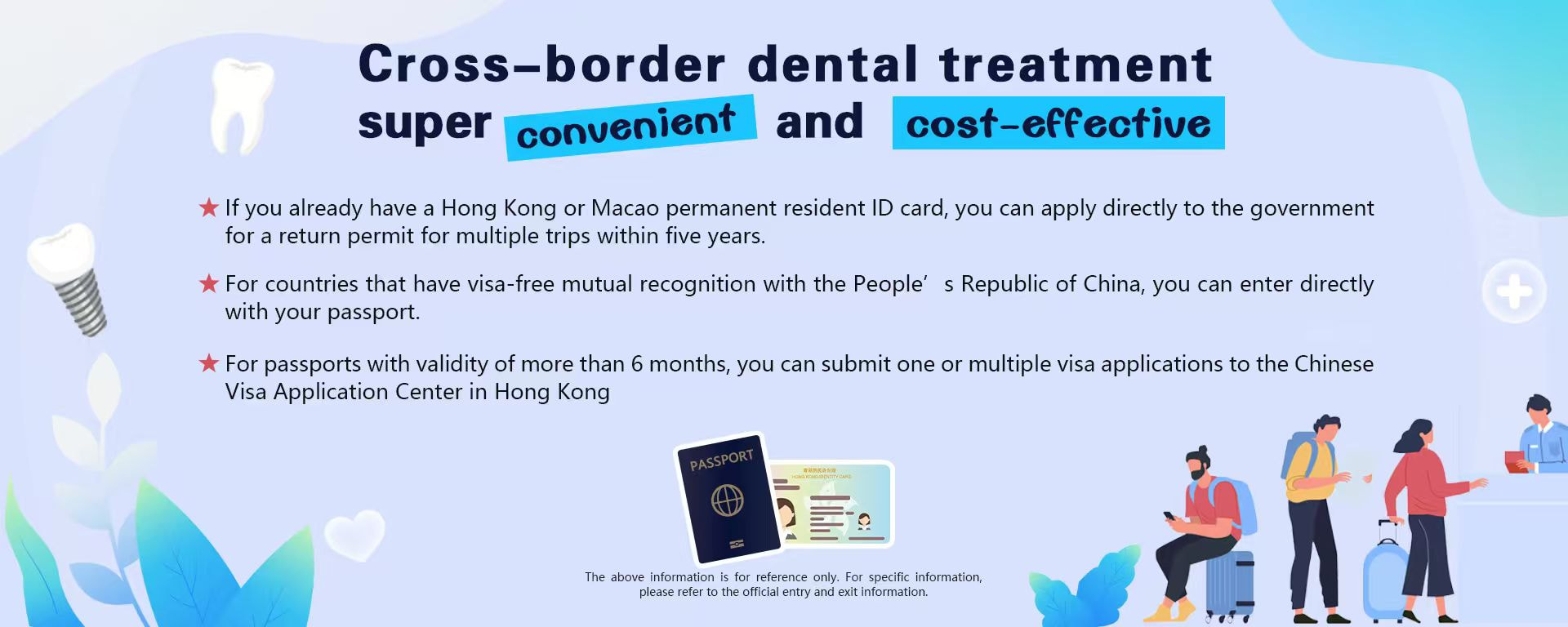
In recent years, an increasing number of Hong Kong residents have opted to travel to the Chinese Mainland for dental treatments, particularly for procedures like wisdom tooth extraction. The rationale is straightforward: people are seeking professional and convenient options, yet they are equally concerned about whether their insurance will cover wisdom tooth extraction performed in Mainland China. This topic involves numerous details, including insurance policies, medical locations, and reimbursement procedures, which cannot be explained in a single sentence.
Firstly, its important to understand that different insurance companies have varying policies. Some Hong Kong insurance products only cover medical services within Hong Kong, meaning treatments received abroad may not be eligible for immediate reimbursement. However, some newer medical insurance plans or cross-border insurance policies may include certain Mainland cities, such as Shenzhen and Guangzhou, as recognized medical locations. If insured individuals choose to have their wisdom teeth extracted at designated hospitals or partner medical institutions, they may be eligible for partial reimbursement or compensation. Therefore, reviewing insurance policies before purchasing is crucial, with particular attention to terms like "overseas medical care," "partner hospital list," and "claim procedure."
Regarding the experience of traveling to the Mainland for wisdom tooth extraction, many Hong Kong residents report that dental clinics there are equipped with advanced facilities, appointments are relatively easy to schedule, and procedures are typically conducted by professional dentists, ensuring a high level of safety. Additionally, with convenient transportation options like high-speed rail, the entire process is not overly complicated. However, before making a decision, its advisable to verify whether your insurance covers such cross-border medical services to avoid complications during the reimbursement phase. For instance, some insurance policies require formal medical reports, payment receipts, and signatures from the attending physician, and some even necessitate certification from designated hospitals by the insurance company. Having these documents ready is essential, as even a successful surgery might not guarantee smooth claims if documentation is lacking.
Another point worth noting is that dental surgeries are often classified as "outpatient services" in many insurance policies. Some insurance plans offer lower reimbursement rates for outpatient services or only cover inpatient treatments. Wisdom tooth extraction typically does not require hospitalization, even if the procedure involves inflammation, swelling, or minor surgical inte
rventions. Therefore, its crucial to check the "outpatient dental coverage" section in your policy. If the insurance company provides relevant coverage, you can confidently proceed with the surgery in the Mainland; otherwise, you may need to consider bearing the costs yourself or seeking alternative dental services.
Recently, there have been cross-border medical plans specifically designed for residents of Hong Kong and Guangdong, offering comprehensive services such as appointment scheduling, translation, and document processing for claims. These plans are convenient for those accustomed to Hong Kongs medical model. They usually specify which Mainland cities and hospitals are eligible, and insured individuals can undergo procedures like wisdom tooth extraction, teeth cleaning, and fillings within the approved scope. While each insurance company operates differently, the overall trend is increasingly open, making cross-border medical reimbursement more feasible.
Its important to mention that the reimbursement process requires time and patience. Even if an insurance company recognizes cross-border medical services, they typically require upfront payment followed by submission of documentation for claims. Therefore, retaining all receipts and medical reports is crucial. If the dental clinics system supports electronic versions of reports, remember to request the doctor to stamp them or use a certification system to issue documents, which can expedite the application process and prevent claim rejections due to insufficient documentation. Some insurance companies even allow direct online submissions, providing convenience and saving time.
In summary, the answer to "Is it feasible to claim insurance for wisdom tooth extraction in the Chinese Mainland?" is: Yes, it is feasible, but it depends on your policy details. If your insurance policy includes cross-border coverage, recognizes Mainland medical institutions, and you have prepared the necessary documentation in advance, you stand a good chance of successful reimbursement. Conversely, if your insurance is limited to Hong Kong medical services, even a swift and successful surgery in the Mainland may not qualify for compensation. Therefore, it is advisable to contact your insurance company to confirm the terms before scheduling the surgery to avoid unnecessary complications later.
Ultimately, traveling to the Mainland for wisdom tooth extraction is not just a medical choice; it reflects a change in lifestyle for Hong Kong residents. Regardless of where dental procedures are performed, the goal is to ensure safety and security. By flexibly utilizing insurance policies and preparing thoroughly, traveling to the Mainland for wisdom tooth extraction can be both convenient and reassuring, achieving true "health assurance without compromise."
















