




### How to Safely Clean Your Wound After Tooth Extraction in Chinese Mainland
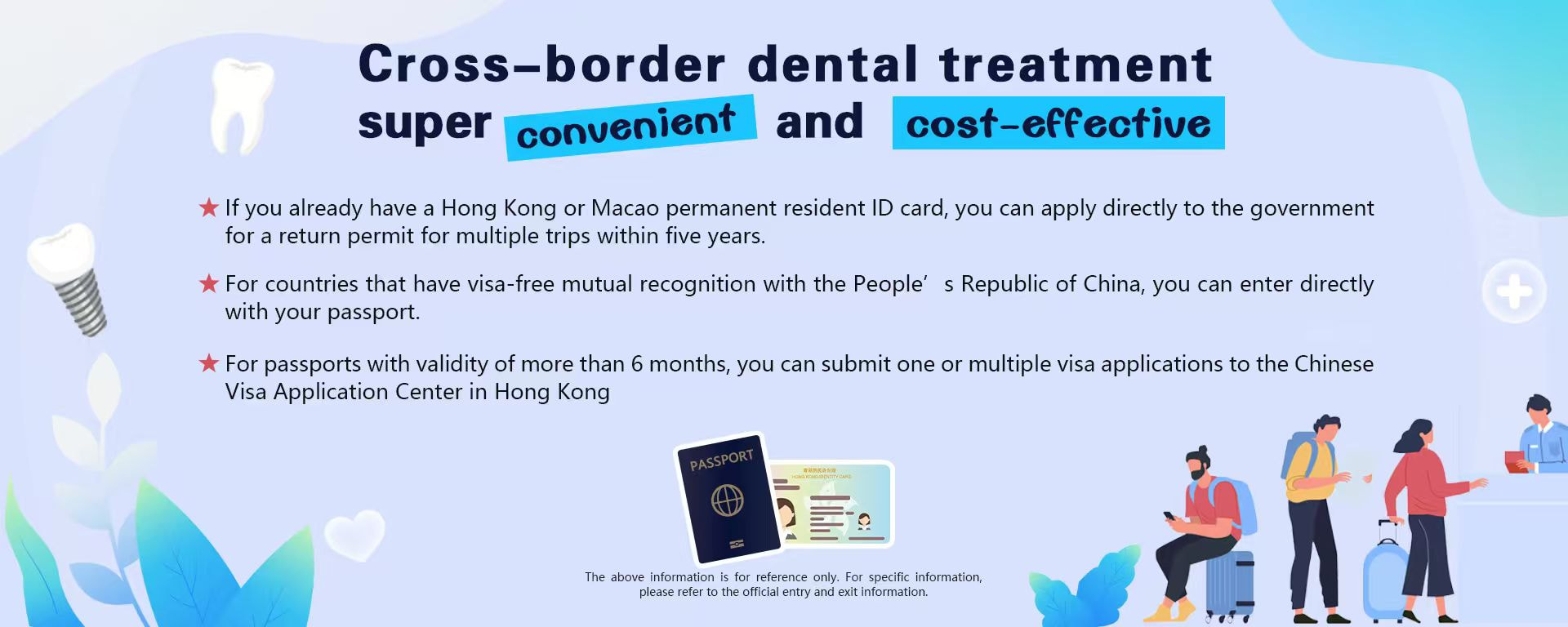
In recent years, many people have opted to travel to the Chinese Mainland for dental care. This trend is driven by the convenience of transportation, a wide array of clinic options, and increasingly professional services. However, no matter where you have your tooth extracted, post-extraction care and wound cleaning are crucial and often more important than the extraction itself. Improper cleaning can lead to inflammation and severe pain, disrupting your sleep. Today, well discuss the safest and most effective ways to care for your wound after a tooth extraction in the Chinese Mainland.
#### Immediate Care After Tooth Extraction
In the first few hours following a tooth extraction, it is crucial not to rinse your mouth too soon. Dentists typically advise waiting at least two to three hours. This waiting period allows the blood clot to form and stabilize the wound. Rinsing too early can dislodge the clot, leading to continuous bleeding. During this time, gently bite down on the gauze provided by your dentist to allow natural clotting. Avoid biting too hard, as this can irritate the dental socket.
#### Dietary Considerations
On the first day after your extraction, pay careful attention to your diet. Opt for liquids or soft foods and avoid hot, hard, or spicy items to prevent irritating the wound. Refrain from consuming alcoholic, caffeinated, or carbonated beverages, and avoid using a straw. The suction from a straw can dislodge the clot, causing a painful condition known as dry socket.
#### Proper Cleaning Techniques
While its important not to completely avoid rinsing your mouth, timing and method are key. Generally, you can begin gently rinsing with warm salt water 24 hours after the extraction. Rinse for about ten seconds without vigorous swishing. Warm salt water helps kill bacteria, soothe pain, and reduce inflammation. A simple mixture of one teaspoon of salt in a cup of warm water is sufficient.
#### Brushing and Oral Hygiene
Be cautious when brushing your teeth near the extraction site. Maintain your regular oral hygiene routine for the rest of your mouth. If you us
e an electric toothbrush or a powerful water flosser, consider pausing their use for a few days to avoid irritating the wound. Once the wound begins to heal and your dentist gives the go-ahead, you can gradually return to your normal oral care routine.
#### Post-Extraction Rest and Monitoring
Many people choose to stay in the area for a day or two after their extraction, but continued care is essential once you return to Hong Kong. When sleeping, slightly elevate your head to minimize blood flow to the wound, which can reduce swelling and discomfort. If your wound has stopped bleeding by the next morning, it indicates successful clotting. However, if you notice persistent bleeding or significant swelling, contact your dentist promptly, whether in Hong Kong or the Chinese Mainland.
#### Managing Bad Breath and Smoking
Some individuals may experience bad breath post-extraction. Maintaining oral hygiene and staying hydrated usually resolves this issue within a few days. Avoid using alcohol-based mouthwashes early on, as they can be too harsh; warm salt water is a gentler alternative. Additionally, avoid smoking for the first two days, as smoke can delay healing and increase the risk of infection.
#### Medication and Pain Management
For more complex extractions, such as wisdom teeth or deep-rooted teeth, your dentist may prescribe painkillers or antibiotics. Follow the prescribed medication regimen and avoid altering it on your own. Some individuals prematurely stop taking their medication once they feel less pain, only to experience swelling later due to incomplete bacterial elimination. Combining medication with rest will facilitate a smoother recovery process.
In summary, while traveling to the Chinese Mainland for tooth extraction offers convenience, the key to maintaining dental health lies in diligent post-extraction care. By keeping your mouth clean, being mindful of your diet, and avoiding unnecessary contact with the wound, you can ensure a faster and safer healing process. Dental health is a long-term commitment, not a one-time event. We hope that after your extraction, you can recover comfortably and confidently, with a bright and natural smile.
















