




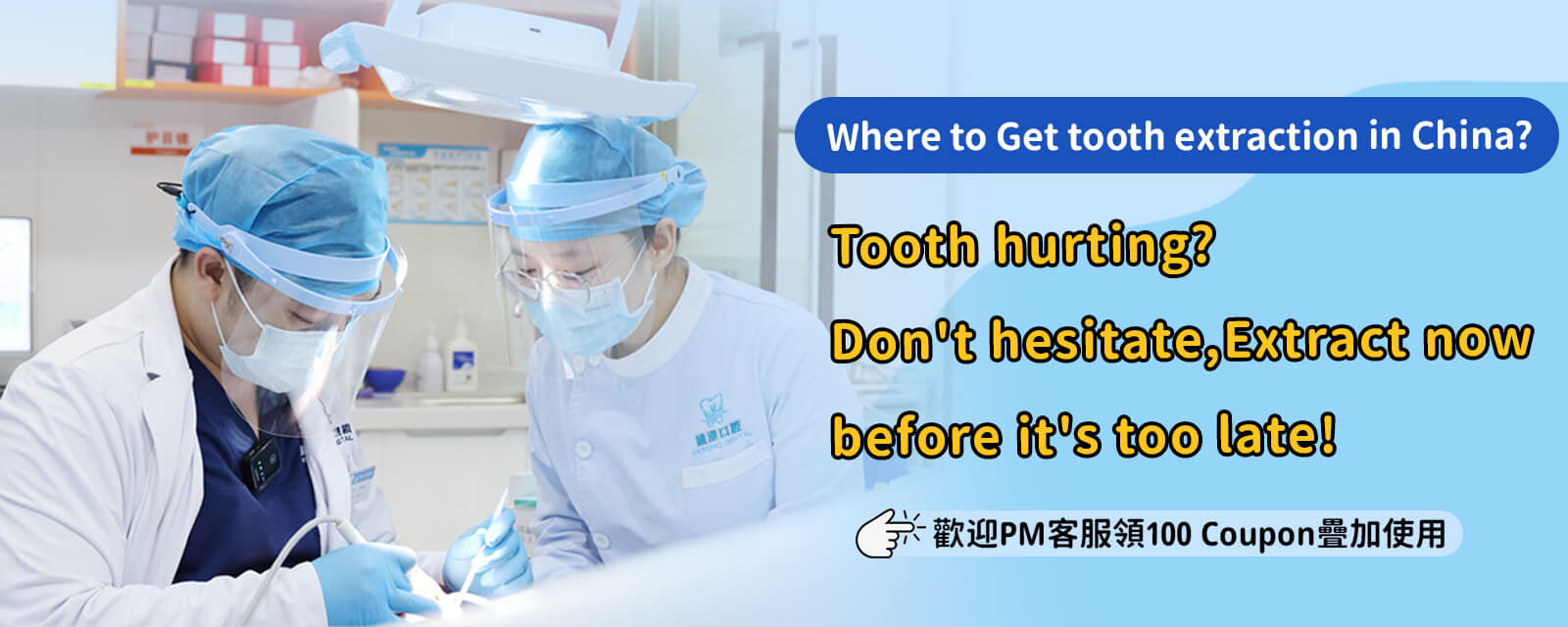
**Is the Risk of Dry Socket High When Extracting Wisdom Teeth in Mainland China?**
In recent years, many Hong Kong residents have opted to travel to Mainland China for dental care, especially when dealing with inflamed wisdom teeth or needing extractions. The perception is that wisdom tooth extraction in Mainland China is more affordable, quicker, and easier to schedule. However, one of the major concerns associated with wisdom tooth extraction is the risk of developing a dry socket. So, how significant is this risk when getting your wisdom teeth extracted in Mainland China, and how can it be prevented? This article aims to provide detailed insights into these questions.
**1. What is Dry Socket?**
Dry socket, medically known as alveolar osteitis, is a common complication following tooth extraction. Normally, a blood clot forms at the extraction site, protecting the underlying bone and nerves and aiding in the healing process. If this blood clot dislodges or fails to form properly, the bone and nerves become exposed, leading to severe pain and possible foul odor. Pain typically starts two to three days post-extraction and can radiate to the ear or the same side of the face, causing significant discomfort.
**2. Causes of Dry Socket**
Several factors can contribute to the development of dry socket, including:
1. **Prolonged or Traumatic Surgery**: Wisdom teeth located deep within the gums or at awkward angles may require cutting the gum tissue or bone drilling, increasing the likelihood of disturbing the healing process.
2. **Improper Wound Care**: Rinsing the mouth too early, spitting forcefully, or using straws can dislodge the blood clot.
3. **Personal Health Factors**: Smoking, hormonal changes (such as during menstruation), and poor oral hygiene can elevate the risk of inflammation.
4. **Variability in Dental Expertise and Aftercare**: The dentists experience, technique, and post-operative guidance significantly impact the incidence of dry socket.
**3. Wisdom Tooth Extraction in Mainland China**
When considering dental care in Mainland China, many are concerned about the quality of dental services and hygiene standards. Nowadays, dental clinics in major cities in Mainland China are equipped with modern facilities, and many dentists have undergone systematic training, offering commendable technical skills and service levels. However, the risk isnt solely about location—its about how you choose your clinic and dentist. A clean clinic environment, experienced dentists, and clear post-operative care instructions can naturally reduce the risk of dry socket. Conversely, opting for non-standard clinics with inadequate sterilization and inexper
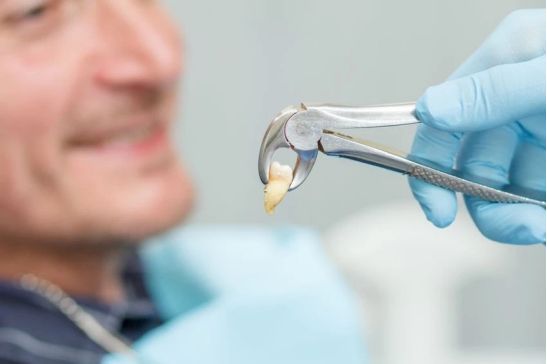
ienced practitioners can increase complications.
**4. How to Prevent Dry Socket**
Ensuring a smooth wisdom tooth extraction experience hinges on pre-operative and post-operative care:
1. **Thorough Pre-Extraction Examination**: Dentists will review X-rays to assess the growth direction and difficulty of the wisdom tooth. If theres acute inflammation, they may recommend managing it before proceeding with surgery.
2. **Follow Post-Operative Instructions**: After extraction, dentists typically place gauze for you to bite down on to stop bleeding. Avoid sucking on the wound or frequently spitting. On the first day, refrain from rinsing your mouth, drinking hot liquids, or consuming hard foods.
3. **Maintain Gentle Oral Hygiene**: Begin gentle rinsing with warm salt water on the second day, avoiding vigorous rinsing. Brush your teeth carefully, steering clear of the wound.
4. **Avoid Smoking and Alcohol**: Both smoking and alcohol can impair blood circulation and healing speed, increasing the risk of dislodging the blood clot. Its best to abstain for a few days until the wound stabilizes.
5. **Attend Follow-Up Appointments**: For more complex wisdom tooth extractions, your dentist may schedule follow-up visits to check the healing process. Early detection of issues like increased pain, bad breath, or pus discharge should be promptly addressed.
**5. What to Do If You Develop Dry Socket**
If you unfortunately experience dry socket, avoid self-medicating or rinsing the wound yourself. Return to your dentist for professional care—they will clean the wound, apply medicated dressings for pain relief, and provide guidance on how to manage the area in the coming days. Generally, symptoms will gradually improve within a few days, but early intervention can significantly reduce pain duration.
**6. Conclusion: Professionalism and Care Matter More Than Location**
Whether extracting wisdom teeth in Hong Kong or Mainland China, the risk of dry socket exists. The focus should not be on "where is riskier," but rather on "which dentist you choose and how you care for yourself." With standardized surgical procedures, adherence to post-operative instructions, and maintaining oral hygiene, the likelihood of dry socket is not high. Theres no need to overly worry about the location; instead, prioritize your bodys response and recovery process.
In summary, the risk of dry socket when extracting wisdom teeth in Mainland China is not necessarily high. The key lies in carefully selecting a clinic, following the dentists advice, and taking your time with recovery. Proper wound care will ensure a quick and pain-free recovery, allowing you to regain your smile in no time.
















