



**Does Extracting Wisdom Teeth in Chinese Mainland Affect Long-term Chewing?**
In recent years, many Hong Kong residents have opted to travel to the Chinese Mainland for dental care, particularly for wisdom tooth extraction. The appeal lies not only in the cost-effectiveness but also in the perception that dental equipment is more advanced and appointments are quicker. However, extracting wisdom teeth is a significant procedure, and many people are concerned about whether it will affect their long-term chewing ability. Today, we will explore several aspects of post-extraction care to help you maintain optimal oral health.
**Understanding Your Situation Before Extraction**
Wisdom teeth typically emerge in adulthood and are located at the back of the mouth. If they grow at an angle or fail to fully erupt, they can cause gum inflammation and even affect adjacent teeth. Before heading to the Chinese Mainland for extraction, its advisable to undergo a basic dental examination in Hong Kong. This will help you understand the growth direction of your wisdom teeth and their proximity to nerves. If a tooth is too close to a nerve, its crucial to have it removed by an experienced dentist. Rushing the process or opting for a quick fix can increase the risk of complications.
**Post-extraction Recovery Tips**
After getting your wisdom teeth extracted in the Chinese Mainland, its important to note that you cant immediately return to a normal diet. In the first few days, you should consume soft, liquid foods such as congee, scrambled eggs, or tofu pudding to minimize chewing. The extraction site needs time to heal, and chewing hard foods too soon can irritate the wound or disrupt blood clot formation. Dentists usually advise against rinsing your mouth or consuming overly hot or spicy foods for the first three days to allow your gums to stabilize.
Additionally, experiencing mild swelling or soreness is normal. However, if swelling becomes severe or bleeding persists, its crucial to return to the clinic for a follow-up. Maintaining oral hygiene by gently cleaning your mouth with mouthwash or saline solution can help prevent infection.
**Long-term Chewing Concerns**
Many people worry that extracting wisdom teeth might affect their chewing habits or create an imbalance. In most cases, wisdom tooth extraction does not significantly impact long-term chewi
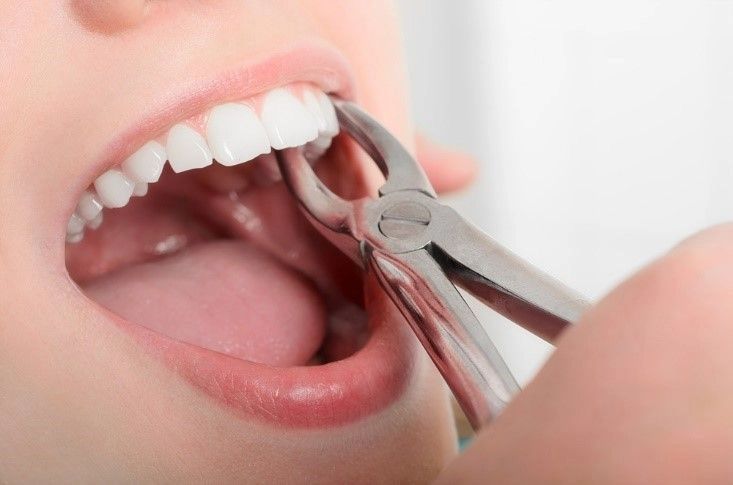
ng ability. Wisdom teeth contribute minimally to chewing function, and if they grow at an angle, they can exert pressure on other teeth. Removing them can actually lead to a more balanced bite.
However, if you have multiple wisdom teeth extracted from both sides, its important to pay extra attention to your chewing habits. Initially, you can try using your front teeth to chew until your gums have fully healed. Many dentists recommend a follow-up examination three months post-extraction to ensure there are no occlusion issues.
**Considerations for Dental Care in the Chinese Mainland**
When planning to have your wisdom teeth extracted in the Chinese Mainland, consider several practical factors: First, choose a reputable dental clinic. Dont rely solely on reviews or recommendations; verify the clinics credentials. Second, understand the follow-up care arrangements, as post-extraction check-ups might be necessary. Third, if you have chronic conditions or are on specific medications, inform your dentist in advance to avoid complications during or after the procedure.
Transportation is also crucial. Wisdom tooth extraction isnt a procedure you can rush through and leave immediately. If youre having the procedure done in Shenzhen or Guangzhou, plan for accommodation or rest time, as long car journeys may not be advisable in the days following extraction.
**Maintaining Good Oral Hygiene is Key**
Extracting wisdom teeth is just one step in maintaining oral health. Long-term dental care relies on personal habits. Regularly brushing with fluoride toothpaste, scheduling routine dental cleanings, and limiting sugary foods are essential for protecting your teeth. Many Hong Kong residents lead busy lives and may overlook minor discomforts. However, early signs of oral issues, such as gum redness or misaligned teeth, should be addressed promptly.
**Conclusion**
Overall, traveling to the Chinese Mainland for wisdom tooth extraction is a viable option, provided you are well-prepared and vigilant. By following your dentists instructions, avoiding hard foods, and maintaining oral hygiene, long-term chewing function should remain unaffected. Most importantly, dont sacrifice follow-up care and proper oral hygiene for convenience. After all, your teeth are a lifelong asset, and taking good care of them ensures you can enjoy eating and smiling comfortably.
















