




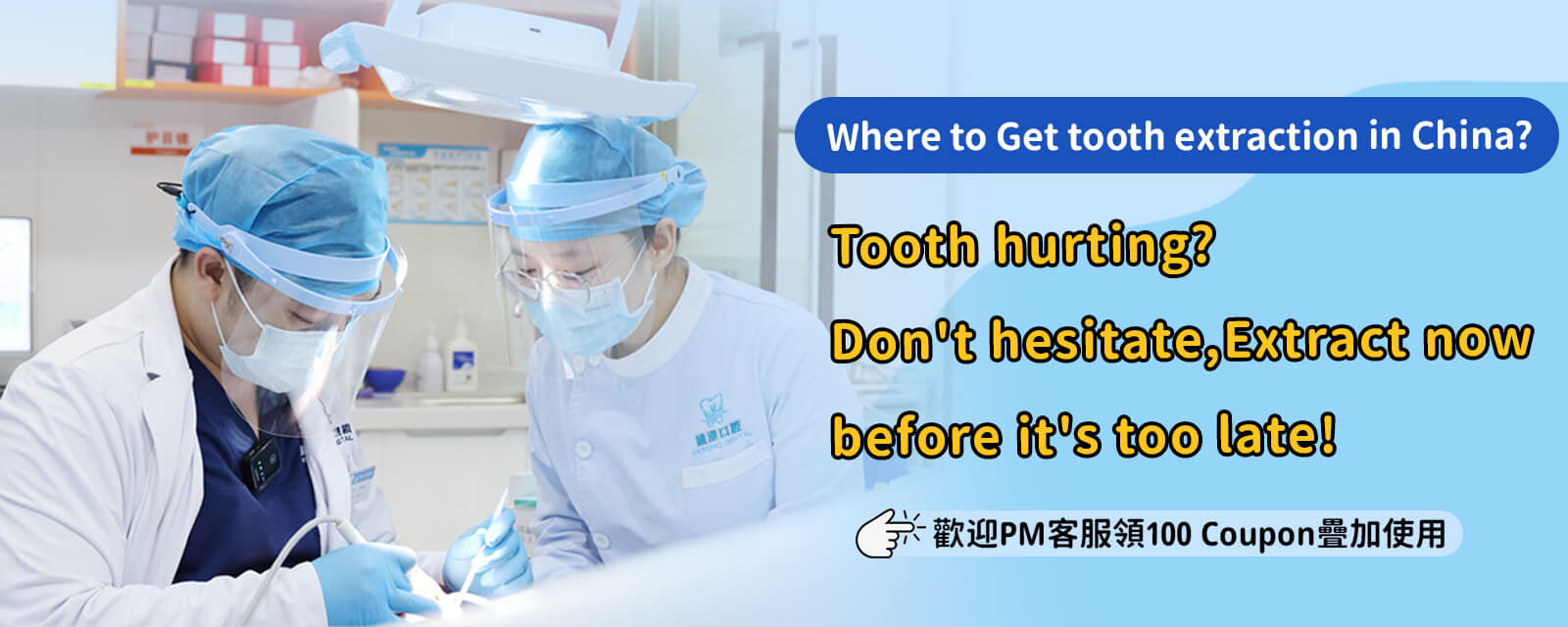
**How to Prevent Infection After Tooth Extraction in Chinese Mainland**
In recent years, many people have opted to travel to Chinese Mainland for dental care, especially for procedures like wisdom tooth or decayed tooth extraction, due to its convenience and speed. However, regardless of where you undergo tooth extraction, its crucial to focus on one key aspect—preventing infection. Tooth extraction isnt just about removing the tooth; post-operative care is essential. Improper management can lead to inflammation, swelling, or even more severe complications. Today, lets explore effective ways to prevent infection after tooth extraction in Chinese Mainland, ensuring a swift recovery.
**1. Prepare Your Body and Mind Before Tooth Extraction**
To prevent infection, preparation should begin before the tooth extraction. Many people feel anxious prior to the procedure, but anxiety can negatively impact your physical state and lower your immunity, hindering wound healing. In the days leading up to the extraction, ensure you get enough sleep, avoid excessive alcohol consumption, and steer clear of all-nighters. Opt for a lighter diet. Women should consult their dentist if they are on their menstrual cycle, as this period can increase bleeding and slow recovery.
Additionally, if you have chronic conditions like diabetes or hypertension, inform your dentist in advance. Discuss whether adjustments to medication dosages or rescheduling the procedure are necessary. By clearly communicating your health status, your dentist can tailor a safe plan for you.
**2. Choose a Reliable Dental Clinic**
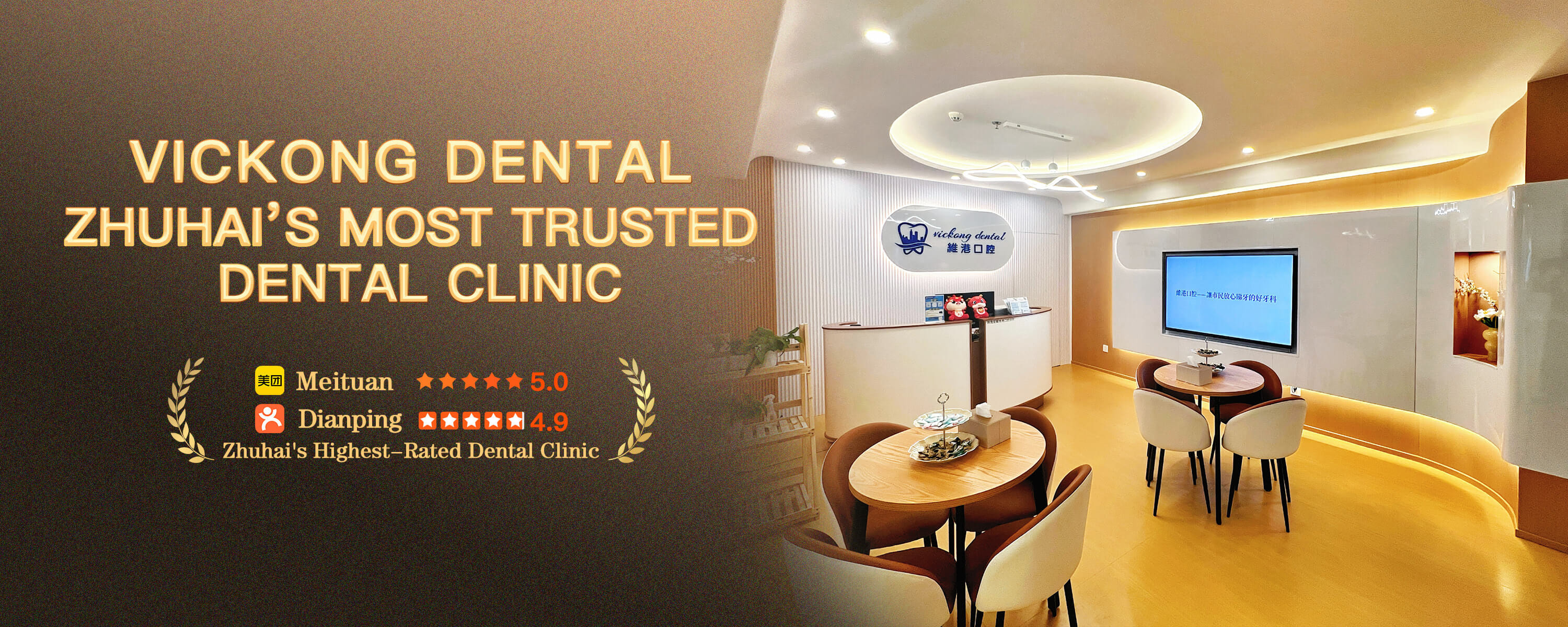
When traveling to Chinese Mainland for tooth extraction, concerns about technical skills and hygiene standards are common. The cleanliness of the clinic directly impacts the risk of infection. Observe whether the clinic environment is tidy and if single-use tools and clear sterilization procedures are in place. Some clinics may even provide sterilization certificates or open new tools in front of you, showcasing professionalism and attention to detail. Its better to invest time researching several clinics than to make a hasty decision.
**3. Follow the Dentists Instructions on the Day of Extraction**
Once at the clinic, dont let nerves prevent you from asking questions. Inquire about the extraction process, anesthesia duration, and post-extraction bleeding control. The dentist will use cotton to apply pressure to the wound, typically requiring you to bite down for about twenty to thirty minutes. During this time, avoid touching the wound with your tongue or hands. Afterward, its best to rest quietly before heading home.
**4. The First 24 Hours After Extraction Are Crucial**
The first day post-extraction is when infection is most likely to occur. During this period, avoid rinsing yo
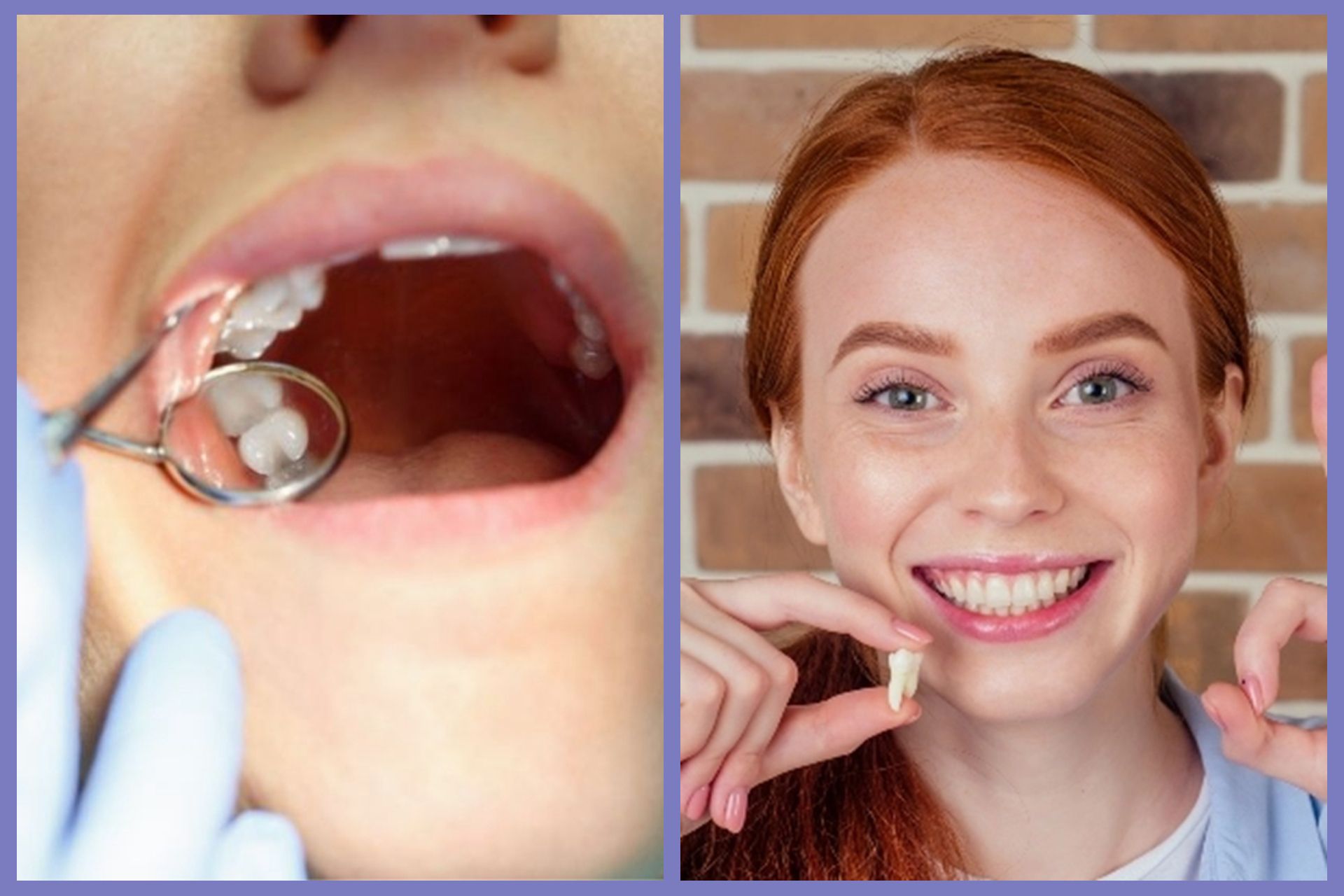
ur mouth or spitting, as these actions can dislodge the blood clot. The blood clot acts as a "natural bandage" for the wound; if it falls off, the wound becomes exposed and susceptible to inflammation. Drink water using a straw, but avoid sucking too hard. Opt for soft foods like porridge, soup, tofu, and steamed eggs, and steer clear of spicy, hot, or hard foods.
Remember not to smoke or drink alcohol immediately after the extraction. Nicotine and alcohol can irritate the wound, slow healing, and create a poor oral environment, making it easier for bacteria to invade.
**5. Maintain Oral Hygiene with Gentle Care**
On the second day after extraction, you can start gently rinsing your mouth using warm water or a dentist-prescribed antiseptic mouthwash. Avoid using products with alcohol content. When brushing your teeth, steer clear of the surgical site, but clean the other areas as usual. Keeping your mouth clean reduces bacterial growth, but ensure your actions are gentle. Drink less water and avoid eating before bed to keep your mouth dry.
**6. Monitor Your Health and Seek Prompt Follow-Up Care if Needed**
If within three to four days post-extraction, the wound remains red, swollen, pus-filled, or if you experience a fever or severe pain, these are signs of infection. Dont hesitate to return to the clinic for a follow-up. If youve already returned to Hong Kong after visiting Chinese Mainland for dental care, contact your original dentist online or consult a local dentist promptly to avoid delays.
**7. Adjust Your Diet to Boost Immunity**
Diet plays a vital role in speeding up wound recovery. Consuming foods rich in vitamin C and protein, such as fruits, vegetables, fish, and legumes, can aid tissue repair. Avoid excessive cold drinks, as cold stimuli can cause blood vessels to constrict, affecting metabolism. Maintaining a balanced diet naturally facilitates quicker recovery.
**8. Maintain a Positive Attitude for Faster Recovery**
Tooth extraction isnt a major surgery; proper care is key. Many people feel discomfort after extraction and worry about complications. However, by following the dentists instructions, most cases recover smoothly. Keep a relaxed mindset, get adequate rest, speak less, and avoid late nights, allowing your body to heal naturally.
**Conclusion**
Traveling to Chinese Mainland for tooth extraction is increasingly common, but safety and infection control should be prioritized. Regardless of which dentist you choose, the most important aspects are thorough preparation, careful selection, and diligent post-operative care. By being attentive at every step, the journey of tooth extraction isnt daunting. Remember, prevention is better than cure. A worry-free tooth extraction and a healthy smile start with proper pre-and post-operative care.
















