






**Is Timing Crucial for Tooth Extraction in Chinese Mainland?**
In recent years, many Hong Kong residents have considered traveling to the Chinese Mainland for dental care, attracted by a wider range of options, modern services, and advanced technology. However, a common dilemma remains—should tooth extraction be done sooner or later? Many delay the procedure until the pain becomes unbearable, but the timing of the extraction can significantly impact the outcome.
First and foremost, its important to understand that dental issues do not resolve on their own. Whether its tooth decay, periodontal disease, or impacted wisdom teeth, if left untreated, these problems can worsen, affecting the jawbone, gums, and neighboring teeth. The primary advantage of early tooth extraction is the reduced risk of infection, preventing persistent toothache and facial swelling. Dentists in the Chinese Mainland typically use advanced diagnostic equipment to determine the necessity of extraction. If extraction is needed, addressing it early generally results in quicker healing, smaller wounds, and a shorter recovery period.
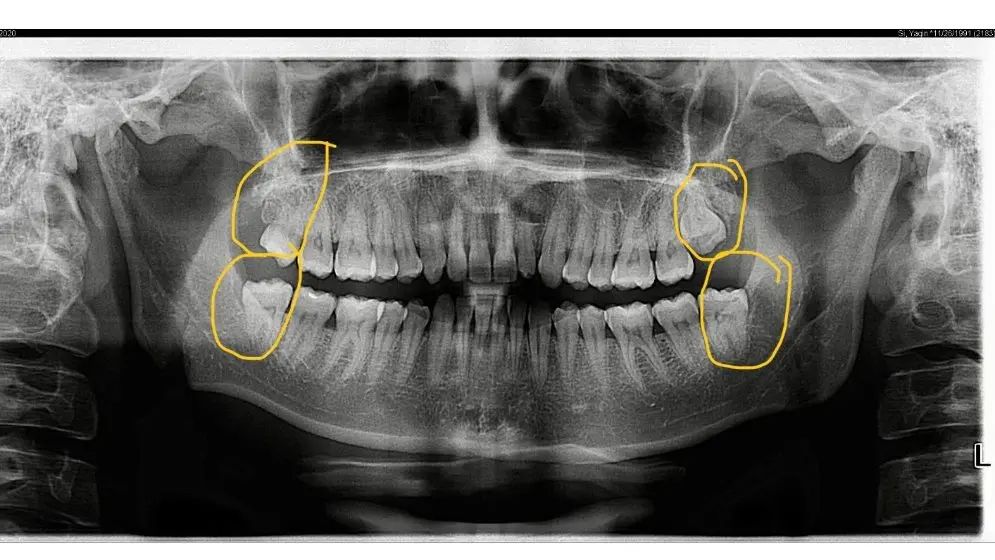
Conversely, delaying extraction can exacerbate the problem. Impacted wisdom teeth, for example, can damage adjacent teeth and disrupt chewing if left untreated. Inflammation can spread, leading to swollen gums, bad breath, and even fever. At this stage, even if you opt for extraction in the Chinese Mainland, the procedure becomes more complex, requiring the dentist to clear the infection, which extends recovery time and may increase discomfort.
Another factor to consider is psychological stress. Early extraction is often planned and executed methodically, resulting in a more relaxed mindset. In contrast, delayed extraction is usually a last resort, undertaken when pain becomes intolerable, leading to anxiety about potential complications and slow recovery. Many dentists in the Chinese Mainland are attentive and will guide patients through the entire process, explaining post-operative care
such as mouth rinsing techniques, dietary restrictions, and rest periods. Following these instructions can facilitate a smooth recovery, allowing you to return to normal life swiftly.
Some may question whether early extraction is too aggressive. However, this is not necessarily the case. The key is to heed professional dental advice and monitor your dental health. Dont wait until your gums bleed or toothaches become frequent before seeking help. Clinics in the Chinese Mainland typically conduct thorough examinations, including X-rays to assess the condition of the tooth roots. Early consultation and scheduling often yield better results.
An often-overlooked aspect is the post-extraction restoration process. The timing of extraction affects the density and shape of the jawbone. Early extraction, before significant bone loss occurs, facilitates easier installation of implants or dentures. Delaying too long may result in substantial bone loss, necessitating bone grafts and longer recovery periods, complicating the procedure. Therefore, early intervention not only alleviates pain but also promotes better oral health in the future.
In conclusion, the timing of tooth extraction, whether early or late, affects more than just the duration of the procedure. It influences the overall complexity of treatment, recovery speed, and quality of life. Early extraction can prevent complications, reduce pain, and maintain oral hygiene, while delayed extraction may lead to complex issues, affecting eating and speaking, and requiring more extensive rehabilitation. Whether in Hong Kong or the Chinese Mainland, regular dental check-ups should be a priority to address issues before they escalate.
If your dentist recommends early extraction, theres no need to worry. With proper preparation and understanding of the procedure, dental care in the Chinese Mainland is convenient and technologically advanced. Dental health should never be postponed; addressing issues promptly reduces pain and enhances peace of mind.
















