




**Is Eating Difficult on the Day of Tooth Extraction in Chinese Mainland?**
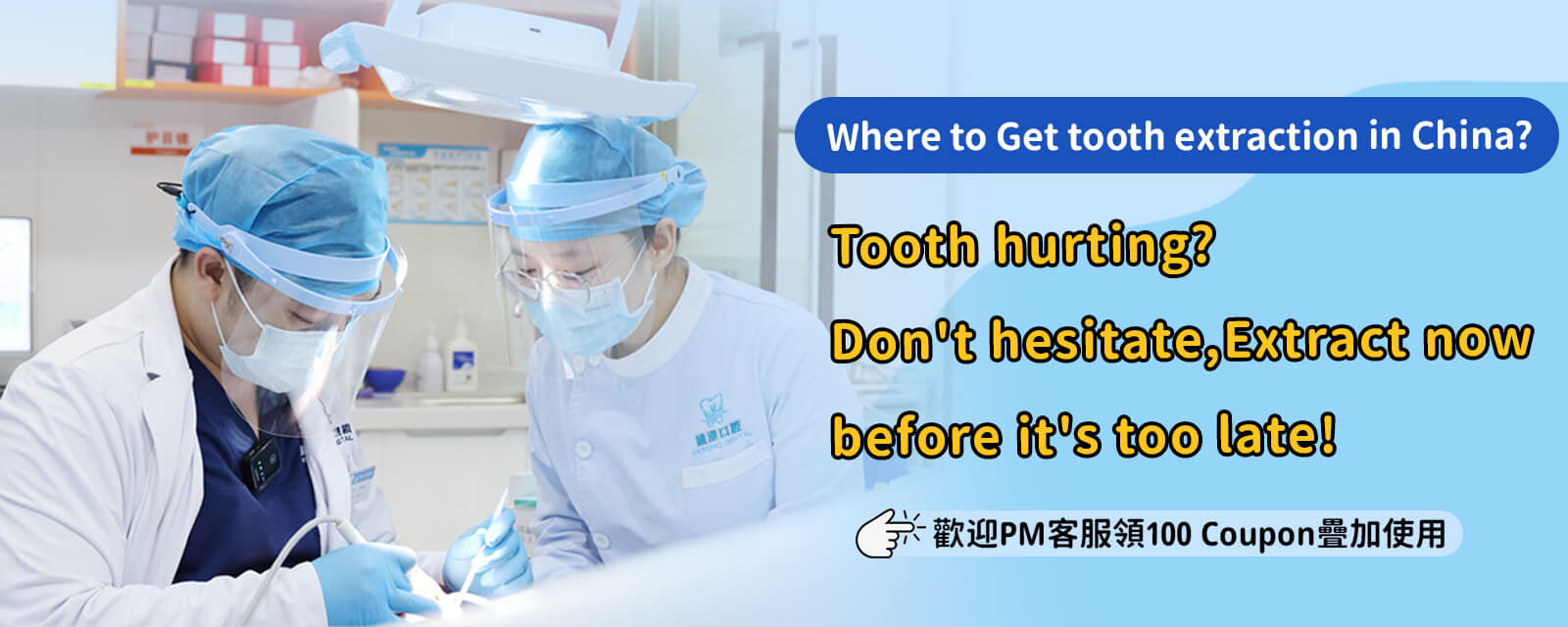
In recent years, many Hong Kong residents have opted to travel to the Chinese Mainland for dental care, including routine check-ups, teeth cleaning, and even more complex procedures like wisdom tooth extraction or dental implants. The reasons are simple: dental facilities in the Mainland are increasingly advanced, and services are competitively priced. However, a common concern arises after tooth extraction—will eating be difficult on the day of the procedure? How can one recover quickly without affecting the wound? Today, we will address these concerns.
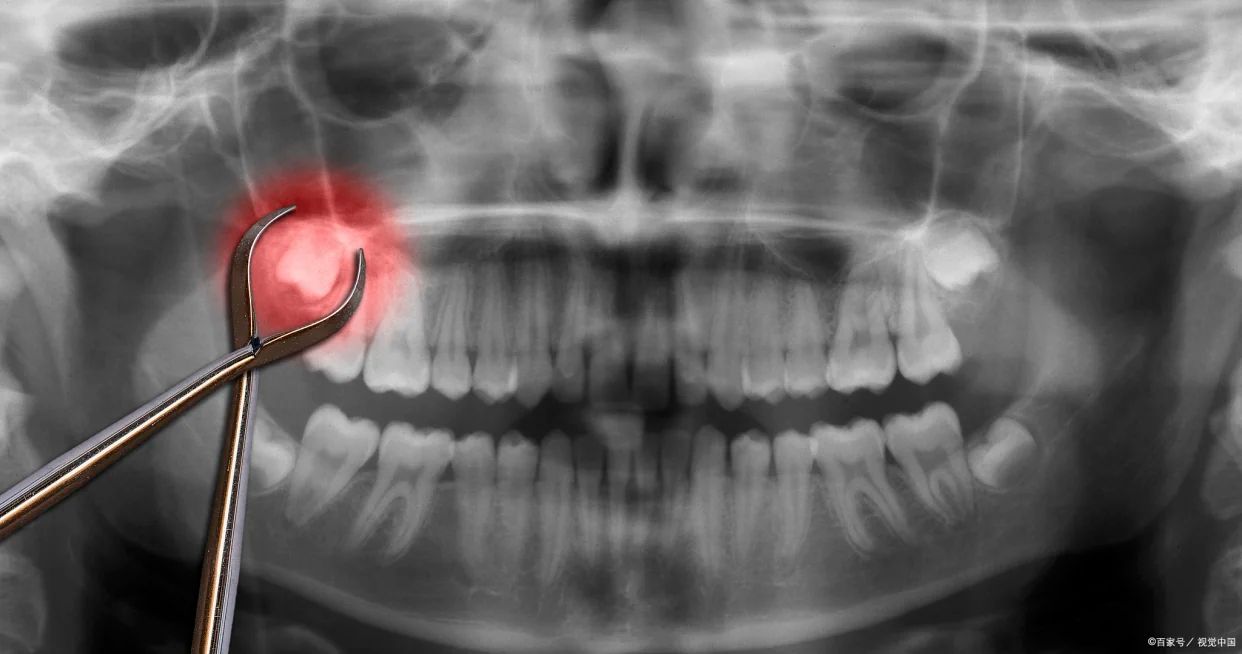
Firstly, it’s essential to understand that tooth extraction is a minor surgical procedure. Whether performed in Hong Kong or the Mainland, local anesthesia is used, but once it wears off, the area may experience mild pain and gum swelling. This is normal and not a cause for excessive worry. However, remember not to eat hot or hard foods immediately after the procedure, especially in the first few hours post-extraction when bleeding has just stopped. Allow time for the blood clot to stabilize.
Typically, two to three hours after extraction, you can start with room temperature water or lukewarm soups, such as vegetable broth, congee, or soft tofu desserts. Avoid hot soups and alcoholic beverages, as they can irritate the wound and prolong bleeding. Be cautious when using chopsticks or straws, as excessive suction can dislodge the blood clot, hindering healing.
For those returning to Hong Kong on the same day, especially if it involves a long journey, prepare suitable liquid foods like soy milk, yogurt, chilled congee, or fruit puree. Its best to pack these in small containers for easy consumption during travel, ensuring cleanliness. If you experience swelling during the trip, gently apply an ice pack to the outside of your cheek to reduce discomfort, but avoid direct contact with ice cubes on the skin—wrap the ice pack in a towel for safety.
Some might think, "If I cant chew on one side, Ill use the other side." While theoretically possible, avoid chewing too vigorously, especially in the first two days. Stick to soft foods like mashed potatoes, porridge, steamed eggs, or smooth tofu. Avoid spicy or fried foods, as they can irritate the wound further.
Regarding oral hygiene, many worry about rinsing and its impact on the wound. On the first d
ay, avoid vigorous rinsing; sipping water gently is sufficient. From the second day, you can use a mild saline solution for gentle rinsing, but avoid strong suction or forceful spitting, as these actions can dislodge the blood clot. When brushing, steer clear of the wound area, but continue brushing other teeth to maintain oral hygiene and prevent inflammation.
Some individuals might plan leisure activities or indulge in culinary delights after their dental visit to the Mainland. Its advisable to schedule a relaxing itinerary for two to three days post-extraction, avoiding hotpot or barbecue that may irritate the wound. Consuming overly hot, spicy, or hard foods can lead to rebleeding or infection, which is counterproductive. Allow a couple of days for recovery before celebrating with a feast.
Additionally, dentists often prescribe anti-inflammatory or pain medications; adhere to their instructions and avoid self-adjusting the dosage. If you experience persistent bleeding, increased swelling, or unusual odors upon returning to Hong Kong, seek dental advice promptly rather than enduring discomfort. While dental procedures in the Mainland are convenient and efficient, post-operative care is crucial.
In summary, eating on the day of tooth extraction is not entirely impossible. By following the principles of "soft, cool, bland, and gentle"—consuming soft foods, drinking lukewarm beverages, opting for mild flavors, and being gentle—you can smoothly navigate the initial recovery days. Individual recovery rates vary; some may resume normal eating by the next day, while others might need an extra day or two. The key is to follow the dentists advice and avoid rushing.
Dental health significantly impacts overall well-being. Regular check-ups, maintaining good oral hygiene, and a healthy diet can reduce the likelihood of needing extractions in the future. If you plan to travel to the Mainland for dental treatment, research thoroughly beforehand, understand the clinics conditions, transportation arrangements, and post-operative care instructions. This way, you can address dental issues confidently without worrying about self-care upon returning to Hong Kong.
In conclusion, while eating on the day of tooth extraction may be slightly inconvenient, with careful handling, patience, and adherence to medical advice, you will soon return to normalcy, with your smile as bright as ever.
















