




**What to Consider When Traveling to Chinese Mainland for Wisdom Tooth Extraction**
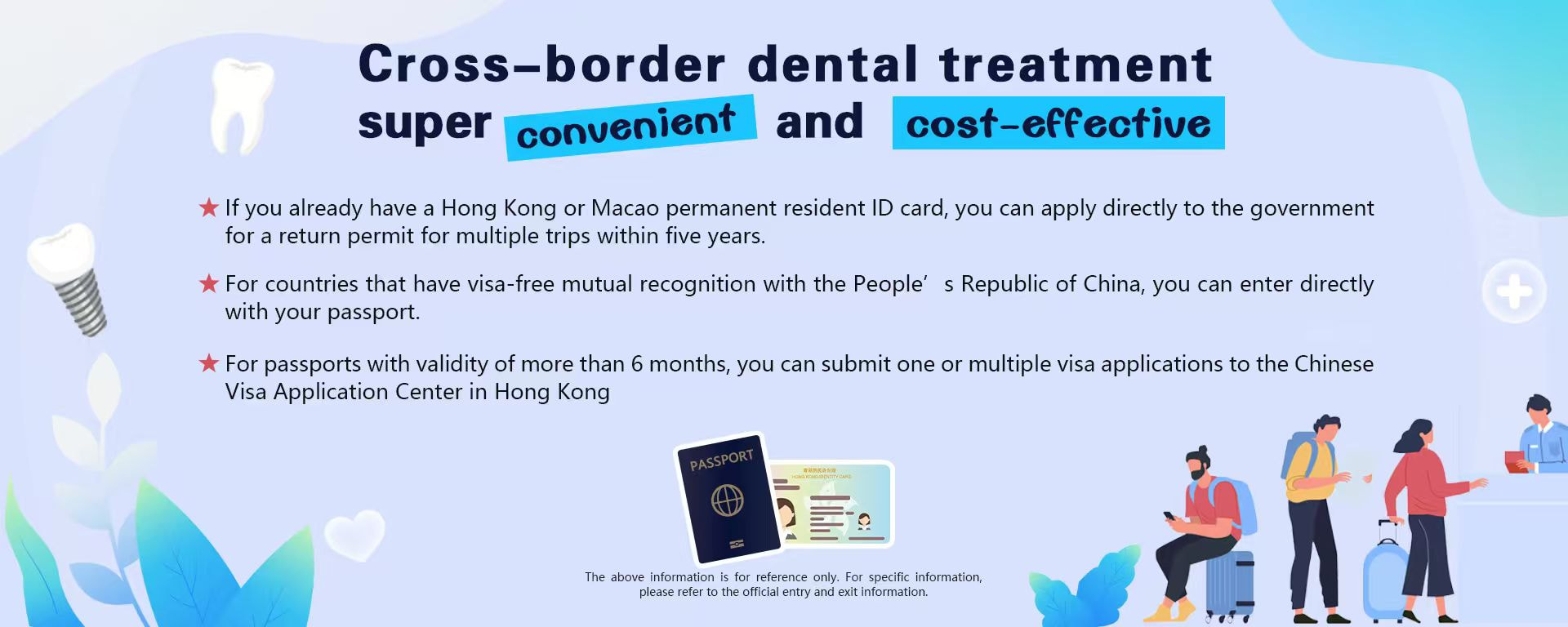
In recent years, an increasing number of Hong Kong residents have opted to travel to the Chinese Mainland for dental care, particularly for complex procedures like impacted wisdom tooth extraction. Many have heard positive feedback about the comprehensive equipment, pleasant environment, and satisfactory services offered by mainland dentists. However, undergoing surgery always carries risks, and thorough preparation is essential for peace of mind. So, what should you keep in mind when traveling to the Chinese Mainland for wisdom tooth extraction? Lets explore this topic in a straightforward manner.
**1. Carefully Evaluate the Dentists Credentials and Reputation**
Extracting impacted wisdom teeth is not as simple as routine dental cleaning; it requires assessing the dentists experience and equipment. Some impacted teeth are located deep and close to nerve lines, and inexperienced handling can lead to postoperative numbness or infection. Before your first dental appointment, its crucial to verify the clinics credentials and check online reviews or seek recommendations from friends. Dont be swayed by flashy advertisements or fancy decor; prioritize skill and safety.
**2. Comprehensive Pre-Surgery Examination is Essential**
Before extracting impacted wisdom teeth, dentists typically request panoramic X-rays or cone-beam CT scans to clearly visualize the position of the teeth, nerves, and sinuses. If you have a history of chronic illness, asthma, or are taking anticoagulant medications, be sure to inform your dentist. Many Hong Kong residents may downplay their medical history to avoid inconvenience, but being honest is crucial for safeguarding your health.
**3. Rest and Dietary Precautions on the Day of Surgery**
Its best to undergo wisdom tooth extraction when youre in good health. Avoid scheduling surgery when youre dealing with a cold or other ailments. Ensure you get a good nights sleep before the procedure and try not to be overly anxious. Regarding diet, refrain from eating two hours before the surgery; a small amount of water is sufficient. If youre experiencing your menstrual cycle or emotional fluctuations, discuss postponing the procedure with your dentist to maintain optimal physical and mental well-being.
**4. Postoperative Care Should Not Be Overlooked**
Once the impacted wisdom tooth is extracted, the surgery is only half complete; the other half is postoperative care. Mild swelling and pain are common in the first two days, so theres no need to worry excessively. However, avoid spicy or overly hot foods and refrain from vigorous rinsing. Dentists typically advise biting on gauze to stop bleeding, changing it e
very two hours. Avoid using straws or blowing air, as these actions can affect blood clotting. If you experience severe pain, take prescribed painkillers as directed and avoid self-medicating.
**5. Schedule Follow-Up Appointments After Returning to Hong Kong**
Some people tend to ignore follow-up care after tooth extraction, but its advisable to see the dentist one to two weeks post-surgery to ensure proper healing. If you had the procedure in the Chinese Mainland, consider visiting a local dentist upon returning to Hong Kong for confirmation, as medical standards may vary between regions. Impacted tooth wounds are often deep and may require more time to heal completely, so avoid rushing to eat hard foods.
**6. Plan Transportation and Rest Time in Advance**
When traveling to the Chinese Mainland for surgery, ensure you have transportation and accommodation arrangements in place. Avoid rushing back to Hong Kong immediately after the procedure; its best to stay overnight in the area to rest and prevent long car rides that could affect the wound. If you experience increased bleeding or swelling, contact your dentist immediately rather than enduring discomfort.
**7. Maintain Good Oral Hygiene Practices**
After wisdom tooth extraction, special attention to oral hygiene is necessary. Use warm salt water for gentle rinsing and avoid the wound area while brushing. Some individuals may avoid brushing due to pain, leading to food residue accumulation and inflammation. Once the wound heals, resume normal brushing habits to maintain cleanliness, which is vital for recovery.
**8. Psychological Preparation and Communication Are Key**
For many, wisdom tooth extraction can be a daunting dental experience, especially when traveling to a different region. Its natural to feel apprehensive. The most important step is to understand the surgical process, ask about anesthesia methods, and postoperative care. Some clinics use local anesthesia, while others incorporate sedation techniques; knowing what to expect can help alleviate anxiety. Maintain open communication with your dentist, and express any discomfort immediately.
In summary, traveling to the Chinese Mainland for impacted wisdom tooth extraction is not inherently risky. By selecting a professional dentist, undergoing thorough examinations, and following pre- and post-operative guidelines, the process can be safe and smooth. The key is not to rush; be patient in caring for yourself until the wound fully heals before resuming a normal diet. Remember: health is invaluable, and making informed decisions is always wise.
We hope these considerations assist those planning to travel to the Chinese Mainland for wisdom tooth extraction, ensuring a smooth procedure and a brighter smile!
















